THE ADVENTURE COLLECTIVE® · Independent discovery and booking for outdoor travel

A 12-day mobile tented safari that threads Maun, Moremi, Khwai, Savuti and Chobe, combining open 4x4 game drives with boat safaris and community visits. Expect long days of wildlife viewing, campfire evenings and expert-guided game interpretation.
A 12-day mobile tented safari that threads Maun, Moremi, Khwai, Savuti and Chobe, combining open 4x4 game drives with boat safaris and community visits. Expect long days of wildlife viewing, campfire evenings and expert-guided game interpretation.
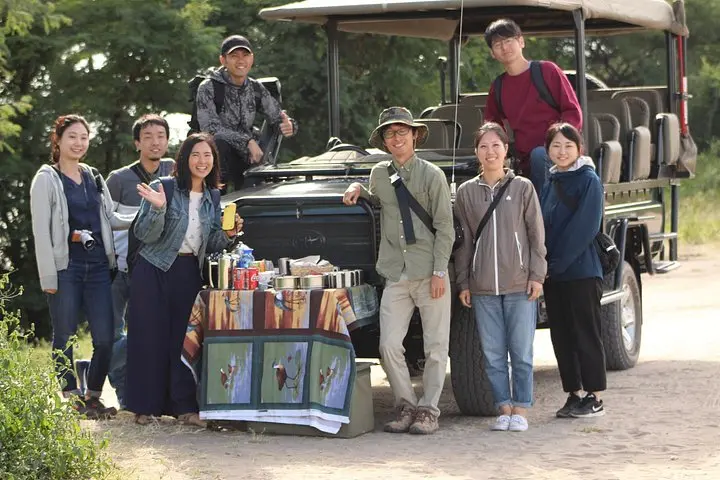
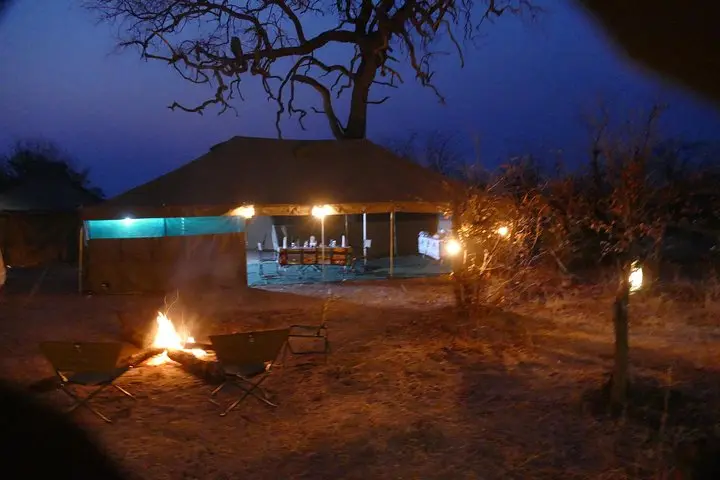
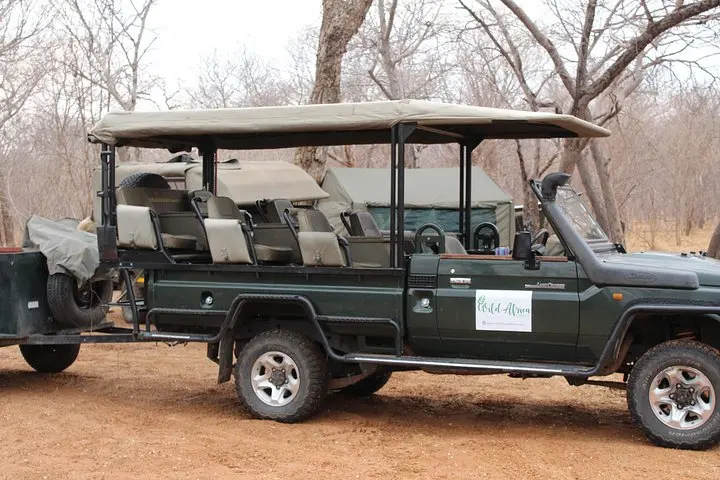
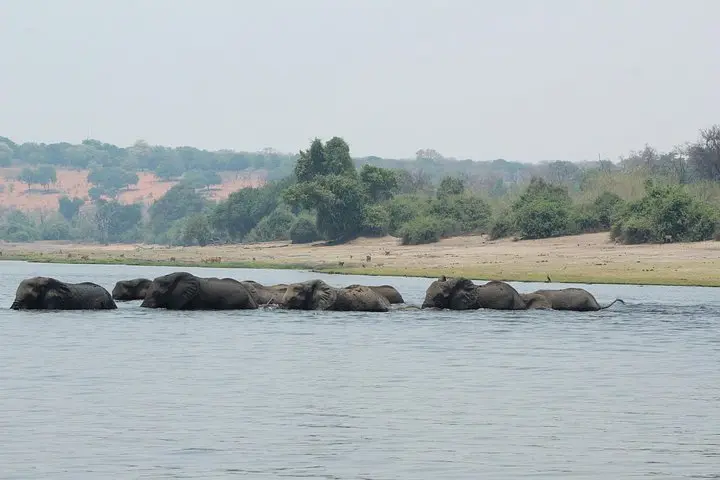
Dawn breaks over the delta and canvas flaps rattle as guides stoke the campfire; the smell of coffee and dust hangs in the air while a distant bull elephant outlines the horizon. Over 12 days this mobile tented safari moves from Maun through Moremi and Khwai, across the Savuti channel and down to the Chobe riverside, mixing open 4x4 game drives with boat safaris.
Verified experiences and guided adventures in the surrounding area.
Operated by Wild Africa Safaris · Maun, North-West District
Dawn breaks over the delta and canvas flaps rattle as guides stoke the campfire; the smell of coffee and dust hangs in the air while a distant bull elephant outlines the horizon. Over 12 days this mobile tented safari moves from Maun through Moremi and Khwai, across the Savuti channel and down to the Chobe riverside, mixing open 4x4 game drives with boat safaris.
Geology and hydrology shape everything here: the Okavango is an inland delta fed by winter rains in Angola that fan into floodplains and lagoons, while the Savuti Marsh is a remnant lake reworked by ancient tectonics. Culturally, stops through small villages and the Khwai community offer insight into a landscape managed alongside wildlife — local trusts and guides are integral to access and conservation.
Expect a rhythm of early-morning drives and late-afternoon outings, long travel stretches between ecosystems, and nights in canvas tents under big skies. Guides brief on safety, animal behavior and photography positioning; boat safaris change the frame entirely, bringing hippo-churned channels and dense riverbank life into view.
Practical notes: the dry season (May–Oct) concentrates game and is best for visibility; wet months bring lush birdlife and higher insect activity. Bring layered clothing for chilly mornings, durable closed-toe shoes for walking around camps, high-quality binoculars and a rain layer if traveling in summer. Hydration, sun protection, respectful distance from wildlife and following guide instructions are essential—this is a photo-forward, low-impact way to see Botswana’s famed megafauna.
Minimum age is 12 years; children must be accompanied by an adult and follow all camp safety rules.
Speak to a travel clinic about routine vaccinations and malaria prophylaxis—Okavango and Chobe are malaria zones during and after the rains.
This is low-impact physically but involves early starts, long drives and basic tented camping with shared facilities and limited electricity for charging.
Yes — the itinerary allows finishing transfers to Kasane or Victoria Falls if requested at booking; confirm transfer details in advance.
Wild Africa Safaris operates guided outdoor trips and adventures with an emphasis on safety, stewardship, and memorable experiences.
Dawn breaks over the delta and canvas flaps rattle as guides stoke the campfire; the smell of coffee and dust hangs in the air while a distant bull elephant outlines the horizon. Over 12 days this mobile tented safari moves from Maun through Moremi and Khwai, across the Savuti channel and down to the Chobe riverside, mixing open 4x4 game drives with boat safaris.
Dawn breaks over the delta and canvas flaps rattle as guides stoke the campfire; the smell of coffee and dust hangs in the air while a distant bull elephant outlines the horizon. Over 12 days this mobile tented safari moves from Maun through Moremi and Khwai, across the Savuti channel and down to the Chobe riverside, mixing open 4x4 game drives with boat safaris.
Geology and hydrology shape everything here: the Okavango is an inland delta fed by winter rains in Angola that fan into floodplains and lagoons, while the Savuti Marsh is a remnant lake reworked by ancient tectonics. Culturally, stops through small villages and the Khwai community offer insight into a landscape managed alongside wildlife — local trusts and guides are integral to access and conservation.
Expect a rhythm of early-morning drives and late-afternoon outings, long travel stretches between ecosystems, and nights in canvas tents under big skies. Guides brief on safety, animal behavior and photography positioning; boat safaris change the frame entirely, bringing hippo-churned channels and dense riverbank life into view.
Practical notes: the dry season (May–Oct) concentrates game and is best for visibility; wet months bring lush birdlife and higher insect activity. Bring layered clothing for chilly mornings, durable closed-toe shoes for walking around camps, high-quality binoculars and a rain layer if traveling in summer. Hydration, sun protection, respectful distance from wildlife and following guide instructions are essential—this is a photo-forward, low-impact way to see Botswana’s famed megafauna.