THE ADVENTURE COLLECTIVE® · Independent discovery and booking for outdoor travel

See Lima’s seaside cliffs, colonial plazas and Huaca Pucllana in a four-hour guided loop that uses radio headsets for clear narration and ends with a pisco sour tasting. Ideal for travelers who want a compact introduction to the city’s history and neighborhoods.
See Lima’s seaside cliffs, colonial plazas and Huaca Pucllana in a four-hour guided loop that uses radio headsets for clear narration and ends with a pisco sour tasting. Ideal for travelers who want a compact introduction to the city’s history and neighborhoods.
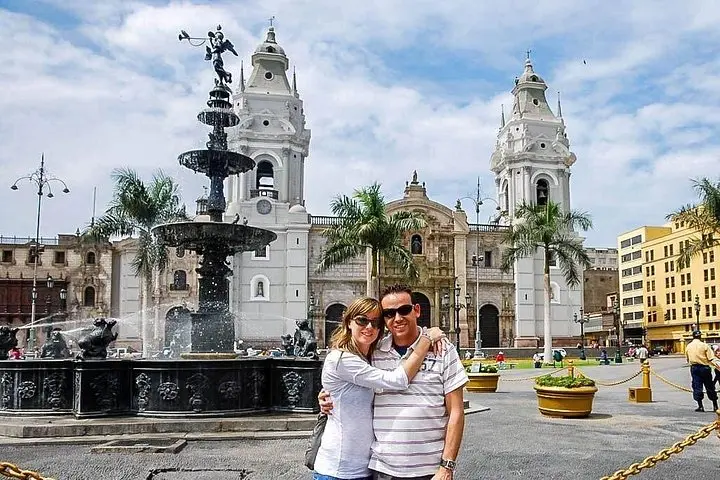
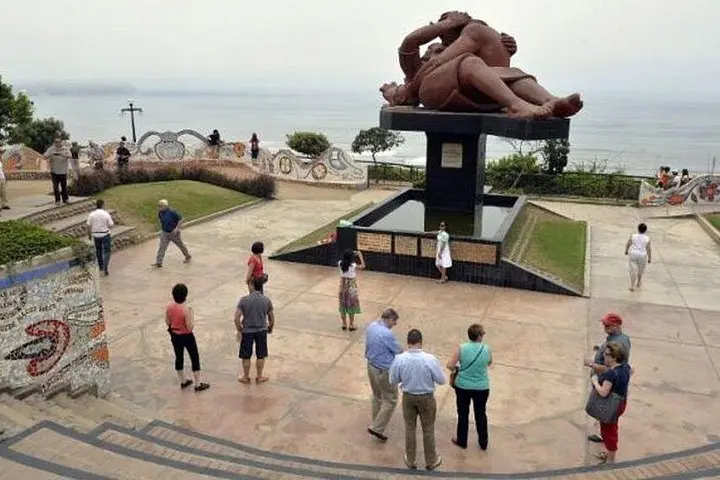
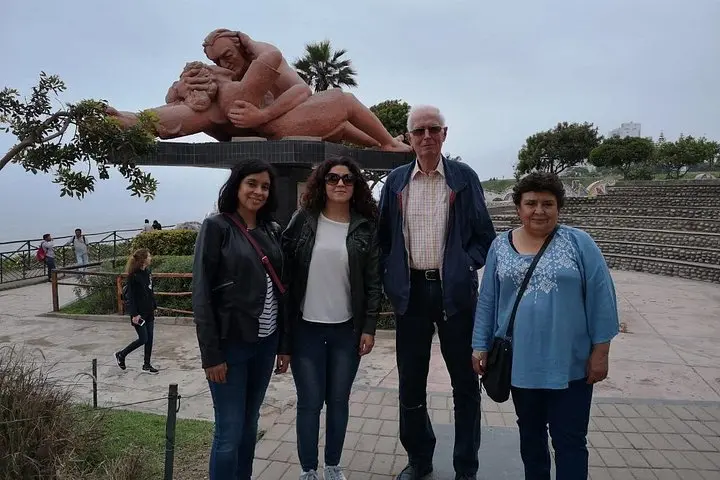
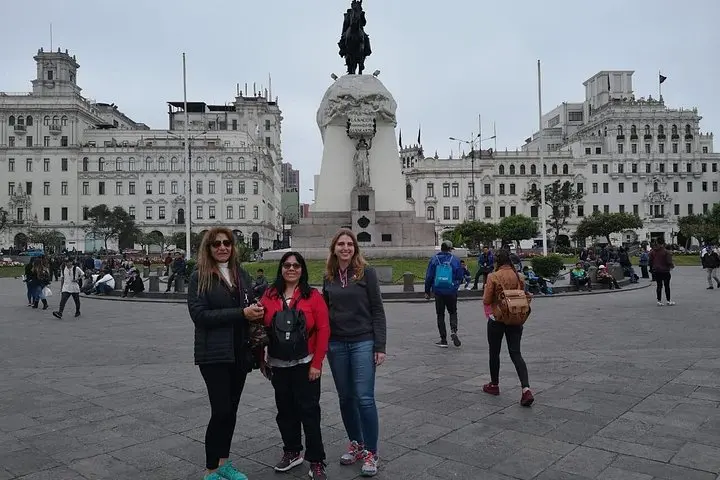
The city opens like a layered map: the Pacific breeze pushes up the cliffs of Miraflores, traffic hums beneath palm-lined boulevards, and stone portals in the Historic Center wait with carved saints and arches. On this four-hour guided circuit, visitors move between modern parks and colonial courtyards with a radio headset that keeps commentary crisp even over city noise.
Verified experiences and guided adventures in the surrounding area.
Operated by Viaja Perú - Tour Operador · Lima, Lima
The city opens like a layered map: the Pacific breeze pushes up the cliffs of Miraflores, traffic hums beneath palm-lined boulevards, and stone portals in the Historic Center wait with carved saints and arches. On this four-hour guided circuit, visitors move between modern parks and colonial courtyards with a radio headset that keeps commentary crisp even over city noise.
Lima’s story is visible in blocks — pre-Columbian Huaca Pucllana’s adobe mound, Spanish-era monasteries such as Santo Domingo, Republican plazas and 20th-century neighborhoods like San Isidro and Barranco. Geologically the coast is a narrow strip where the Andes drop toward the ocean; that cliff-edge geography created the dramatic Malecón views in Miraflores and concentrated settlement along the bay.
Culturally the tour threads food and drink into history: a short tasting of pisco sour introduces Peru’s national spirit and social rituals around it, while guides frame how immigration and commerce shaped Lima’s barrios. Local insights include how the Huaca Pucllana site preserves an ancient Lima culture and why El Olivar’s olive grove marks 19th-century landscape tastes.
Practically, the itinerary is low-impact walking with panoramic bus segments—expect short strolls at archaeological sites, plazas, cathedral exteriors and a monastery visit. Headphones mean clear narration when the streets are busy. Wear comfortable walking shoes, bring a light layer for coastal wind and a small bottle of water; museums and the monastery enforce modest dress. Morning departures avoid the afternoon garúa fog and deliver cooler air on the cliff tops. The tour suits travelers who want a concentrated primer on Lima’s layers of history in a single, well-paced half-day.
Yes; the tour supplies radio headsets so all participants receive clear live narration throughout the route.
Pickup from hotels in Miraflores, San Isidro, Barranco and the Historic Center is included—other districts may require consultation.
Yes; the vehicle and several stops are wheelchair accessible, though some historic sites have limited mobility access.
Yes; the itinerary includes an exhibition and tasting of pisco sour and pisco creams as a short cultural finale.
Viaja Perú - Tour Operador operates guided outdoor trips and adventures with an emphasis on safety, stewardship, and memorable experiences.
The city opens like a layered map: the Pacific breeze pushes up the cliffs of Miraflores, traffic hums beneath palm-lined boulevards, and stone portals in the Historic Center wait with carved saints and arches. On this four-hour guided circuit, visitors move between modern parks and colonial courtyards with a radio headset that keeps commentary crisp even over city noise.
The city opens like a layered map: the Pacific breeze pushes up the cliffs of Miraflores, traffic hums beneath palm-lined boulevards, and stone portals in the Historic Center wait with carved saints and arches. On this four-hour guided circuit, visitors move between modern parks and colonial courtyards with a radio headset that keeps commentary crisp even over city noise.
Lima’s story is visible in blocks — pre-Columbian Huaca Pucllana’s adobe mound, Spanish-era monasteries such as Santo Domingo, Republican plazas and 20th-century neighborhoods like San Isidro and Barranco. Geologically the coast is a narrow strip where the Andes drop toward the ocean; that cliff-edge geography created the dramatic Malecón views in Miraflores and concentrated settlement along the bay.
Culturally the tour threads food and drink into history: a short tasting of pisco sour introduces Peru’s national spirit and social rituals around it, while guides frame how immigration and commerce shaped Lima’s barrios. Local insights include how the Huaca Pucllana site preserves an ancient Lima culture and why El Olivar’s olive grove marks 19th-century landscape tastes.
Practically, the itinerary is low-impact walking with panoramic bus segments—expect short strolls at archaeological sites, plazas, cathedral exteriors and a monastery visit. Headphones mean clear narration when the streets are busy. Wear comfortable walking shoes, bring a light layer for coastal wind and a small bottle of water; museums and the monastery enforce modest dress. Morning departures avoid the afternoon garúa fog and deliver cooler air on the cliff tops. The tour suits travelers who want a concentrated primer on Lima’s layers of history in a single, well-paced half-day.