THE ADVENTURE COLLECTIVE® · Independent discovery and booking for outdoor travel

Discover Prague’s provocative modern and street art with a private guide who knows the city's offbeat sculptures and murals. This 2–3 hour walking tour connects David Černý pieces, Velvet Revolution sites, and university art scenes with local stories you won't find on a map.
Discover Prague’s provocative modern and street art with a private guide who knows the city's offbeat sculptures and murals. This 2–3 hour walking tour connects David Černý pieces, Velvet Revolution sites, and university art scenes with local stories you won't find on a map.
You step off Wenceslas Square into a maze of painted walls and ironic sculptures; Prague's modern-art scene meets the city's cobbles with a wry grin. The guide leads you past Lucerna Palace's inverted Saint Wenceslas — Černý's barb at civic myth — then down alleys where spray paint and political memory mingle. The Vltava hums nearby, its current a quiet counterpoint to the city's visual provocations.
Verified experiences and guided adventures in the surrounding area.
Operated by Modern art tours in Prague · Prague, Prague
You step off Wenceslas Square into a maze of painted walls and ironic sculptures; Prague's modern-art scene meets the city's cobbles with a wry grin. The guide leads you past Lucerna Palace's inverted Saint Wenceslas — Černý's barb at civic myth — then down alleys where spray paint and political memory mingle. The Vltava hums nearby, its current a quiet counterpoint to the city's visual provocations.
This walk traces decades: Cold War dissent, the Velvet Revolution and post-1989 public reclamation turned walls into platforms for expression. Much of the route sits on layered geology of riverine terraces and compacted urban fill; architecture shifts from Austro-Hungarian facades to austere modernist blocks where student activism once gathered. Cultural touchstones include UMPRUM at Jan Palach Square, memorials to protestors, and the playful yet pointed works that made Černý a household name.
Expect 2–3 hours of slow walking with frequent stops to read plaques, text messages-activated fountains, and to hear local stories that don't appear in guidebooks. Photography is central—bring charged batteries—but be prepared to navigate trams and narrow sidewalks. Timing matters: late afternoon softens the light on murals and reduces tram crowding. Dress in layers and wear stable shoes; Prague weather turns quickly. If you want a deeper angle, ask about the history of specific pieces and how the city's political shifts influenced artists. This is a city walk that pairs history and contemporary critique, ideal for travelers who want context as much as visual spectacle.
Yes—routes are generally flat and organizers note stroller accessibility; expect some narrow sidewalks and occasional short stairs.
Admissions are typically not required for street art stops and public transport costs are not included—bring local fare if you plan to use trams.
Service animals are allowed according to the listing, but notify the guide at booking so routes can be adjusted if needed.
Full refund if canceled at least 24 hours before departure; tours may be canceled for bad weather or low bookings.
Modern art tours in Prague operates guided outdoor trips and adventures with an emphasis on safety, stewardship, and memorable experiences.
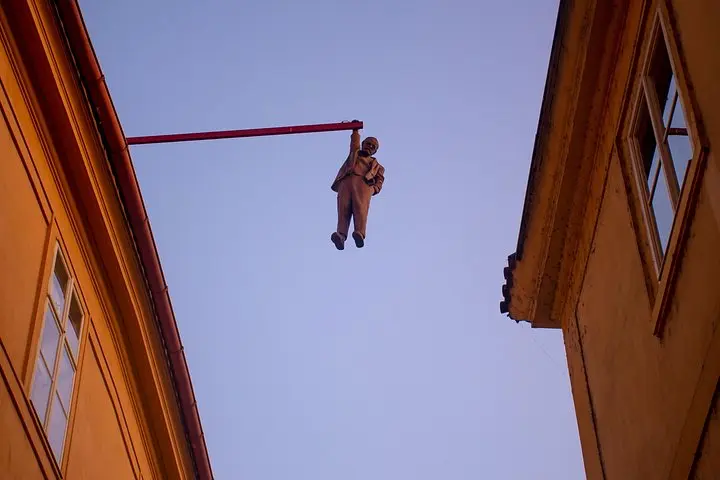
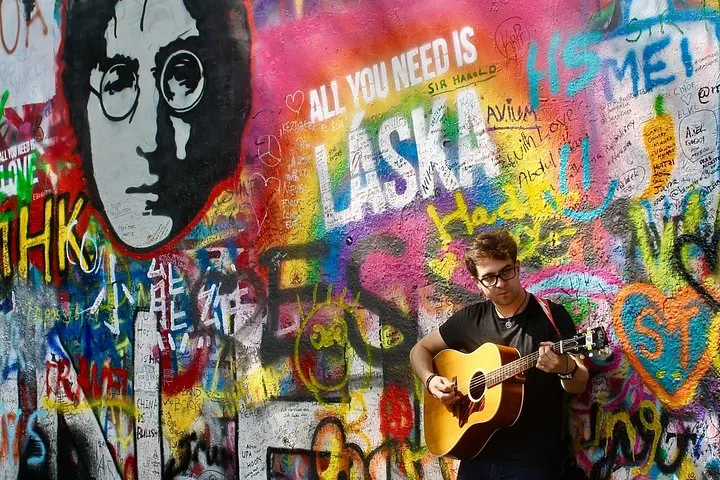
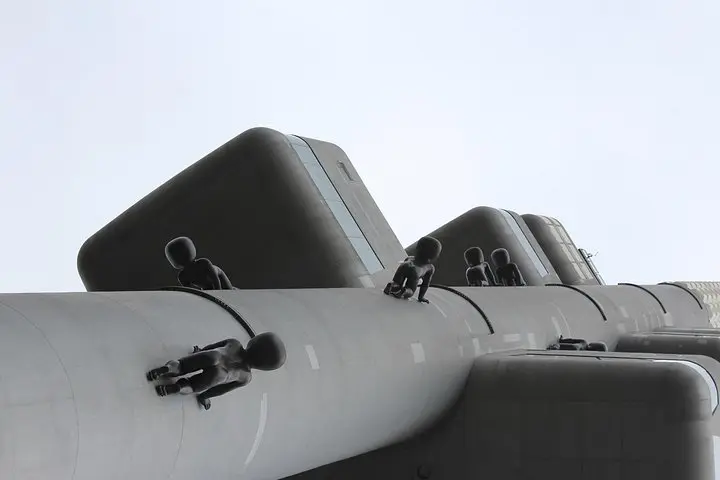
You step off Wenceslas Square into a maze of painted walls and ironic sculptures; Prague's modern-art scene meets the city's cobbles with a wry grin. The guide leads you past Lucerna Palace's inverted Saint Wenceslas — Černý's barb at civic myth — then down alleys where spray paint and political memory mingle. The Vltava hums nearby, its current a quiet counterpoint to the city's visual provocations.
You step off Wenceslas Square into a maze of painted walls and ironic sculptures; Prague's modern-art scene meets the city's cobbles with a wry grin. The guide leads you past Lucerna Palace's inverted Saint Wenceslas — Černý's barb at civic myth — then down alleys where spray paint and political memory mingle. The Vltava hums nearby, its current a quiet counterpoint to the city's visual provocations.
This walk traces decades: Cold War dissent, the Velvet Revolution and post-1989 public reclamation turned walls into platforms for expression. Much of the route sits on layered geology of riverine terraces and compacted urban fill; architecture shifts from Austro-Hungarian facades to austere modernist blocks where student activism once gathered. Cultural touchstones include UMPRUM at Jan Palach Square, memorials to protestors, and the playful yet pointed works that made Černý a household name.
Expect 2–3 hours of slow walking with frequent stops to read plaques, text messages-activated fountains, and to hear local stories that don't appear in guidebooks. Photography is central—bring charged batteries—but be prepared to navigate trams and narrow sidewalks. Timing matters: late afternoon softens the light on murals and reduces tram crowding. Dress in layers and wear stable shoes; Prague weather turns quickly. If you want a deeper angle, ask about the history of specific pieces and how the city's political shifts influenced artists. This is a city walk that pairs history and contemporary critique, ideal for travelers who want context as much as visual spectacle.