THE ADVENTURE COLLECTIVE® · Independent discovery and booking for outdoor travel

Clip into the steel cable and follow iron rungs across Crete's exposed limestone for sweeping sea-and-mountain panoramas. This 4-hour guided via ferrata blends technical climbing with local history, short approaches and unforgettable views.
Clip into the steel cable and follow iron rungs across Crete's exposed limestone for sweeping sea-and-mountain panoramas. This 4-hour guided via ferrata blends technical climbing with local history, short approaches and unforgettable views.
A warm Aegean wind lifts salt off the sea as you clip into the steel cable and step onto rock that feels older than the map itself. The route runs along exposed limestone ribs with the Mediterranean glinting below; gulls and the occasional griffon vulture wheel overhead, testing the currents as if to dare you onward.
Verified experiences and guided adventures in the surrounding area.
Operated by Enjoy Crete · Chania, Crete
A warm Aegean wind lifts salt off the sea as you clip into the steel cable and step onto rock that feels older than the map itself. The route runs along exposed limestone ribs with the Mediterranean glinting below; gulls and the occasional griffon vulture wheel overhead, testing the currents as if to dare you onward.
Crete's geology is largely limestone folded into sharp ridges and deep gorges by millennia of tectonic pressure and sea. Human history here is layered—Minoan footholds, shepherd tracks and modern villages—so a single climb can pass natural history and local life in a few vertiginous metres. Guides on these modern via ferratas are typically experienced climbers who add local stories and safety briefing to the route, turning a technical outing into a cultural snapshot.
Expect a short approach walk (about 40 minutes round trip) and 2–4 hours on the ferrata itself; the route uses fixed cables, iron rungs and carved steps to aid upward movement and limit fall potential. Terrain is steep limestone with exposed sections and occasional loose rock; comfort with exposure is more important than raw strength. Wear grippy approach shoes, gloves and layered clothing for wind and sun.
Practical notes: carry at least 2 litres of water, sun protection and a small first-aid kit. Weight and medical restrictions apply—operators often cap harness limits and ask about cardiovascular or back issues. Weather can close the route, especially in high winds or wet conditions, so plan a flexible day. This is a technical, social outing—expect instruction, local insight and memorable panoramas.
No formal climbing experience is required; guides teach via ferrata clipping technique, but participants should be comfortable with exposure and basic scrambling.
Yes — operators typically provide a via ferrata kit (harness, lanyard with energy absorber and helmet) as part of the booking.
Yes — there are often harness weight limits (operators commonly restrict participation above ~105 kg) and medical restrictions for those with serious heart or back conditions.
Routes are closed in high winds or heavy rain; tours will be canceled in unsafe conditions and operators usually advise flexible scheduling, but refund policies vary so confirm at booking.
Enjoy Crete operates guided outdoor trips and adventures with an emphasis on safety, stewardship, and memorable experiences.
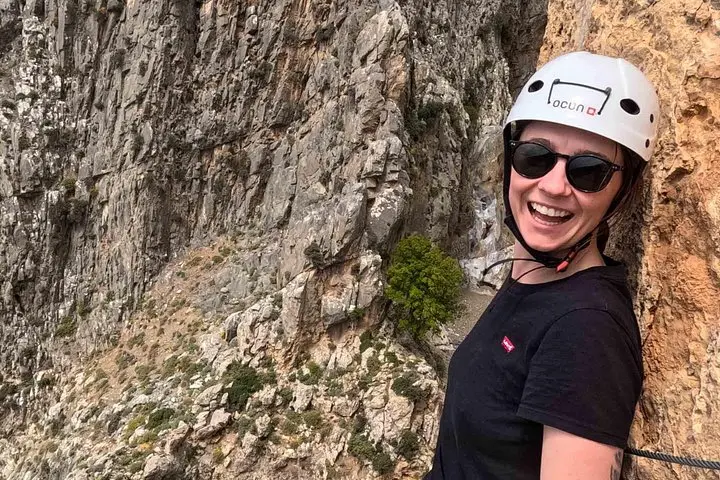
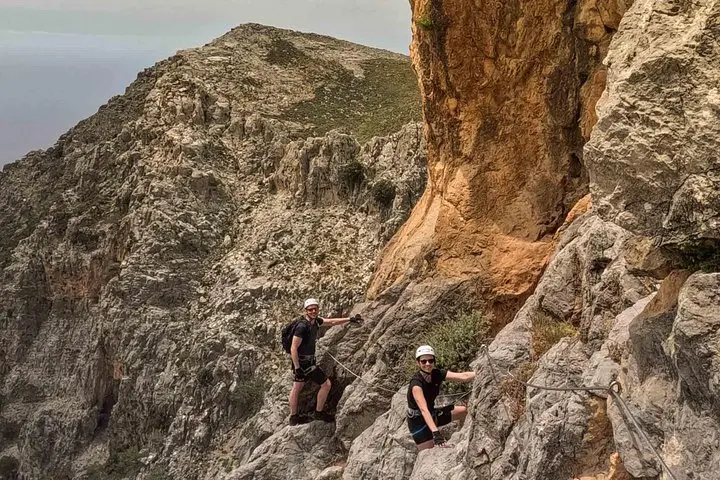
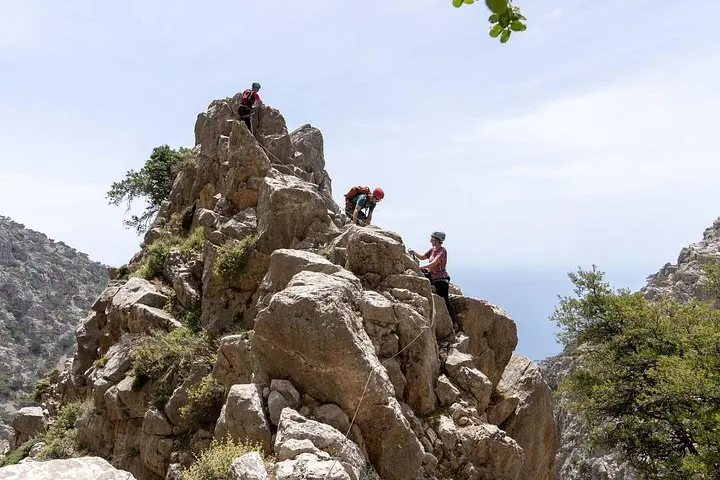
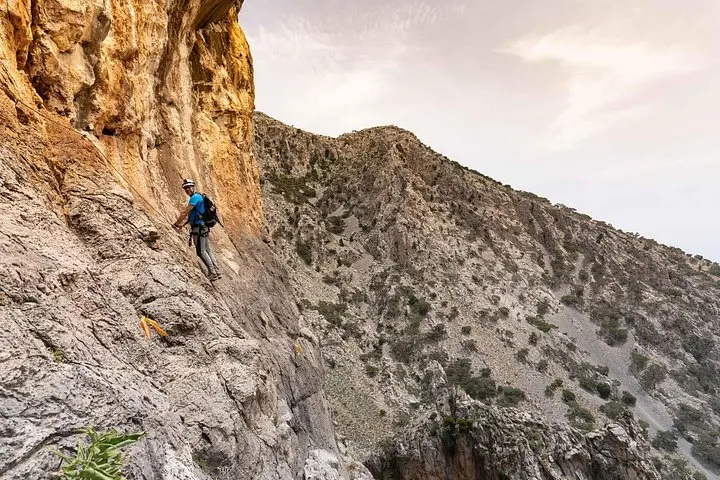
A warm Aegean wind lifts salt off the sea as you clip into the steel cable and step onto rock that feels older than the map itself. The route runs along exposed limestone ribs with the Mediterranean glinting below; gulls and the occasional griffon vulture wheel overhead, testing the currents as if to dare you onward.
A warm Aegean wind lifts salt off the sea as you clip into the steel cable and step onto rock that feels older than the map itself. The route runs along exposed limestone ribs with the Mediterranean glinting below; gulls and the occasional griffon vulture wheel overhead, testing the currents as if to dare you onward.
Crete's geology is largely limestone folded into sharp ridges and deep gorges by millennia of tectonic pressure and sea. Human history here is layered—Minoan footholds, shepherd tracks and modern villages—so a single climb can pass natural history and local life in a few vertiginous metres. Guides on these modern via ferratas are typically experienced climbers who add local stories and safety briefing to the route, turning a technical outing into a cultural snapshot.
Expect a short approach walk (about 40 minutes round trip) and 2–4 hours on the ferrata itself; the route uses fixed cables, iron rungs and carved steps to aid upward movement and limit fall potential. Terrain is steep limestone with exposed sections and occasional loose rock; comfort with exposure is more important than raw strength. Wear grippy approach shoes, gloves and layered clothing for wind and sun.
Practical notes: carry at least 2 litres of water, sun protection and a small first-aid kit. Weight and medical restrictions apply—operators often cap harness limits and ask about cardiovascular or back issues. Weather can close the route, especially in high winds or wet conditions, so plan a flexible day. This is a technical, social outing—expect instruction, local insight and memorable panoramas.