THE ADVENTURE COLLECTIVE® · Independent discovery and booking for outdoor travel

A quieter alternative to the crowded Annapurna trails, the Mohare Danda Trek climbs to 3,300 m for sweeping Annapurna–Dhaulagiri views. This 8-day community-focused route pairs rhododendron forests with village stays and sunrise ridgelines.
A quieter alternative to the crowded Annapurna trails, the Mohare Danda Trek climbs to 3,300 m for sweeping Annapurna–Dhaulagiri views. This 8-day community-focused route pairs rhododendron forests with village stays and sunrise ridgelines.
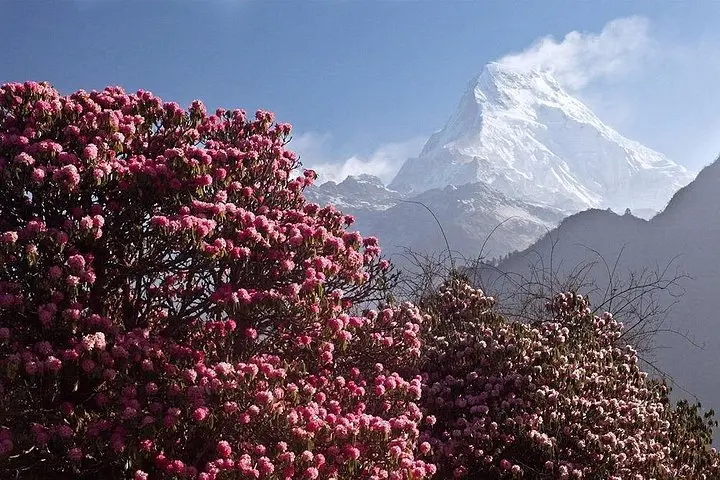
You crest a low ridge at dawn and the world opens: a cold wind pushes through rhododendron stands, and two snow ranges—Annapurna and Dhaulagiri—hold the horizon like quiet giants. Mohare Danda sits at about 3,300 m, a panoramic shoulder between the Kali Gandaki and Seti valleys where early light chisels ridgelines and bee-bright rhododendron dots the slopes.
Verified experiences and guided adventures in the surrounding area.
Operated by Mega Mount Trekking Expedition P. Ltd · Ghorepani, Myagdi
You crest a low ridge at dawn and the world opens: a cold wind pushes through rhododendron stands, and two snow ranges—Annapurna and Dhaulagiri—hold the horizon like quiet giants. Mohare Danda sits at about 3,300 m, a panoramic shoulder between the Kali Gandaki and Seti valleys where early light chisels ridgelines and bee-bright rhododendron dots the slopes.
Geology here is raw: layered metamorphic slopes and glacially carved valleys define the Annapurna foothills, with steep drainage that feeds the deep Kali Gandaki gorge. Culturally the route threads Magar and Gurung villages—Lespar and local hamlets—where community-run eco-lodges host trekkers and sustain families through homestay income. The area’s recent turn toward community-based tourism has kept the trails quieter than classic Annapurna circuits while supporting local conservation.
Expect a moderate, family-suitable trek: daily ascents and descents over forest tracks, stone stairways, and grassy ridges; the high point is Mohare Danda (≈3,300 m) and the itinerary links Dimuwa, Lespar, Ghorepani and Poon Hill. Terrain ranges from oak, pine and bamboo woods to open alpine meadow; spring brings rhododendron blooms, autumn delivers crisp visibility.
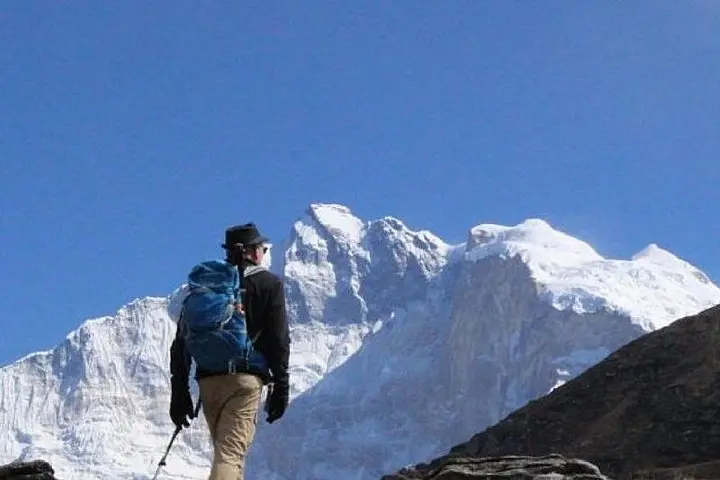
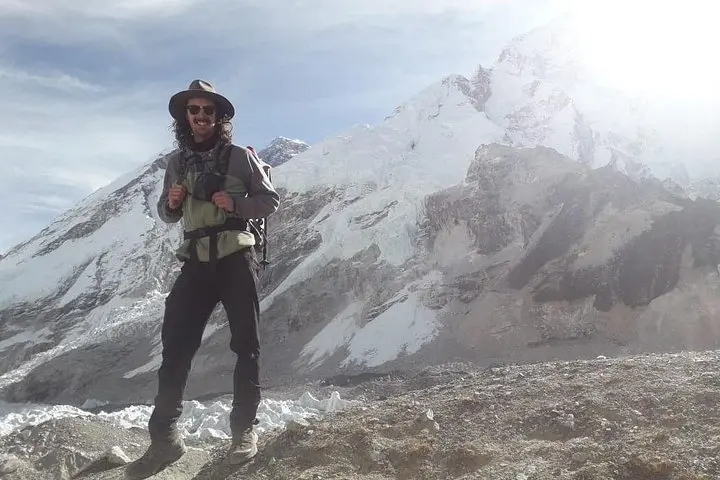
Practical guidance: allow time to acclimatize and plan for 6–7 hours of mixed-pace hiking on longer days. Sturdy trekking boots, layered clothing and rain protection are essential; carry water treatment and a light headlamp. Start early for views and avoid monsoon months when trails turn slippery. Respect local customs, pack out waste, and use community lodges to support the people who keep these trails alive.
You’ll generally need Annapurna Conservation Area Project (ACAP) permits and a TIMS card; guides or local operators usually arrange these during booking.
Mohare Danda reaches roughly 3,300 meters (10,800 ft), with daily gains that make gradual pacing important for acclimatization.
Yes—community eco-lodges and teahouses operate along the trail offering simple rooms and cooked meals; book high-season nights in advance if possible.
Spring (March–May) for rhododendron blooms and autumn (Sept–Nov) for the clearest mountain views; avoid heavy monsoon months for safer trails.
Mega Mount Trekking Expedition P. Ltd operates guided outdoor trips and adventures with an emphasis on safety, stewardship, and memorable experiences.
You crest a low ridge at dawn and the world opens: a cold wind pushes through rhododendron stands, and two snow ranges—Annapurna and Dhaulagiri—hold the horizon like quiet giants. Mohare Danda sits at about 3,300 m, a panoramic shoulder between the Kali Gandaki and Seti valleys where early light chisels ridgelines and bee-bright rhododendron dots the slopes.
You crest a low ridge at dawn and the world opens: a cold wind pushes through rhododendron stands, and two snow ranges—Annapurna and Dhaulagiri—hold the horizon like quiet giants. Mohare Danda sits at about 3,300 m, a panoramic shoulder between the Kali Gandaki and Seti valleys where early light chisels ridgelines and bee-bright rhododendron dots the slopes.
Geology here is raw: layered metamorphic slopes and glacially carved valleys define the Annapurna foothills, with steep drainage that feeds the deep Kali Gandaki gorge. Culturally the route threads Magar and Gurung villages—Lespar and local hamlets—where community-run eco-lodges host trekkers and sustain families through homestay income. The area’s recent turn toward community-based tourism has kept the trails quieter than classic Annapurna circuits while supporting local conservation.
Expect a moderate, family-suitable trek: daily ascents and descents over forest tracks, stone stairways, and grassy ridges; the high point is Mohare Danda (≈3,300 m) and the itinerary links Dimuwa, Lespar, Ghorepani and Poon Hill. Terrain ranges from oak, pine and bamboo woods to open alpine meadow; spring brings rhododendron blooms, autumn delivers crisp visibility.
Practical guidance: allow time to acclimatize and plan for 6–7 hours of mixed-pace hiking on longer days. Sturdy trekking boots, layered clothing and rain protection are essential; carry water treatment and a light headlamp. Start early for views and avoid monsoon months when trails turn slippery. Respect local customs, pack out waste, and use community lodges to support the people who keep these trails alive.