THE ADVENTURE COLLECTIVE® · Independent discovery and booking for outdoor travel

Mohare Danda is a less-crowded Annapurna-region trek with close-up sunrise views of Annapurna and Dhaulagiri. This moderate, community-led route combines rhododendron-clad ridgelines, Magar and Gurung cultural stops, and eco-lodges.
Mohare Danda is a less-crowded Annapurna-region trek with close-up sunrise views of Annapurna and Dhaulagiri. This moderate, community-led route combines rhododendron-clad ridgelines, Magar and Gurung cultural stops, and eco-lodges.
You wake before dawn on a ridge where the mountains seem to rearrange themselves with each passing light. Mohare Danda sits at about 3,300 m between the Annapurna and Dhaulagiri massifs; the summit ridge offers a finger-wide panorama that pulls your gaze from Dhaulagiri’s white crown to the serrated spine of Annapurna.
Verified experiences and guided adventures in the surrounding area.
Operated by Mega Mount Trekking Expedition P. Ltd · Pokhara, Gandaki Province
You wake before dawn on a ridge where the mountains seem to rearrange themselves with each passing light. Mohare Danda sits at about 3,300 m between the Annapurna and Dhaulagiri massifs; the summit ridge offers a finger-wide panorama that pulls your gaze from Dhaulagiri’s white crown to the serrated spine of Annapurna.
Geology here is raw: layered sedimentary flanks uplifted by the collision of the Indian and Eurasian plates, carved into steep valleys by meltwater and monsoon runoff. Forests along the trail—oak, rhododendron, pine, bamboo—change with elevation and, from February through April, rhododendron blooms paint slopes red and pink. Cultural notes matter: the route threads Magar and Gurung villages where community lodges sustain homestay economies and local honey is harvested from rhododendron blossoms.
Trail conditions are typical mid-Himalayan singletrack—stone staircases, packed dirt, occasional steep gullies—and a moderate grade that suits families with reasonable fitness. Expect a main ascent day of roughly 800–1,200 m of climbing over 4–6 hours from higher trailheads, with panoramic sunrise and sunset viewpoints that outcompete Poon Hill for closeness to the big peaks.
Practical guidance: start early for clear light and stable weather; carry layers for sharp temperature swings at the summit; stay hydrated and pace uphill to limit altitude strain. Lodges handle meals and basic overnighting—book during peak spring and autumn windows. The trek pairs big-mountain exposure with community-led eco-tourism, giving both views and meaningful cultural exchange.
Mohare Danda is typically accessed through local district routes; standard TIMS or Annapurna Conservation Area permits may apply depending on your approach—confirm with your operator.
The main ascent from nearby higher trailheads normally takes 4–6 hours with roughly 800–1,200 m of elevation gain, depending on your start point.
Yes—this route is known as an eco-lodge community trek, and village lodges provide meals and simple rooms rather than camping services.
Spring (March–May) and autumn (September–November) offer the most stable weather and best visibility for high-mountain panoramas.
Mega Mount Trekking Expedition P. Ltd operates guided outdoor trips and adventures with an emphasis on safety, stewardship, and memorable experiences.
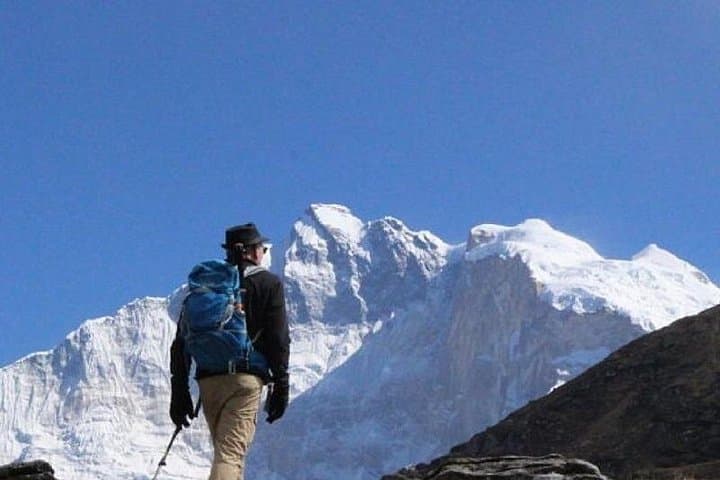


You wake before dawn on a ridge where the mountains seem to rearrange themselves with each passing light. Mohare Danda sits at about 3,300 m between the Annapurna and Dhaulagiri massifs; the summit ridge offers a finger-wide panorama that pulls your gaze from Dhaulagiri’s white crown to the serrated spine of Annapurna.
You wake before dawn on a ridge where the mountains seem to rearrange themselves with each passing light. Mohare Danda sits at about 3,300 m between the Annapurna and Dhaulagiri massifs; the summit ridge offers a finger-wide panorama that pulls your gaze from Dhaulagiri’s white crown to the serrated spine of Annapurna.
Geology here is raw: layered sedimentary flanks uplifted by the collision of the Indian and Eurasian plates, carved into steep valleys by meltwater and monsoon runoff. Forests along the trail—oak, rhododendron, pine, bamboo—change with elevation and, from February through April, rhododendron blooms paint slopes red and pink. Cultural notes matter: the route threads Magar and Gurung villages where community lodges sustain homestay economies and local honey is harvested from rhododendron blossoms.
Trail conditions are typical mid-Himalayan singletrack—stone staircases, packed dirt, occasional steep gullies—and a moderate grade that suits families with reasonable fitness. Expect a main ascent day of roughly 800–1,200 m of climbing over 4–6 hours from higher trailheads, with panoramic sunrise and sunset viewpoints that outcompete Poon Hill for closeness to the big peaks.
Practical guidance: start early for clear light and stable weather; carry layers for sharp temperature swings at the summit; stay hydrated and pace uphill to limit altitude strain. Lodges handle meals and basic overnighting—book during peak spring and autumn windows. The trek pairs big-mountain exposure with community-led eco-tourism, giving both views and meaningful cultural exchange.