THE ADVENTURE COLLECTIVE® · Independent discovery and booking for outdoor travel

A half-day walk on São Miguel’s north coast combines a 5.5 km moderate hike through waterfalls and ravines with a visit to one of Europe’s only tea plantations. Expect wet rock, volcanic scenery, and a cultural stop at a historic tea estate.
A half-day walk on São Miguel’s north coast combines a 5.5 km moderate hike through waterfalls and ravines with a visit to one of Europe’s only tea plantations. Expect wet rock, volcanic scenery, and a cultural stop at a historic tea estate.
The trail begins in a green bowl above the north coast, where the air carries salt and steam and the valley opens like a page of living geology.
Verified experiences and guided adventures in the surrounding area.
Operated by Green Corner Tours · Lomba de São Pedro, Azores
The trail begins in a green bowl above the north coast, where the air carries salt and steam and the valley opens like a page of living geology.
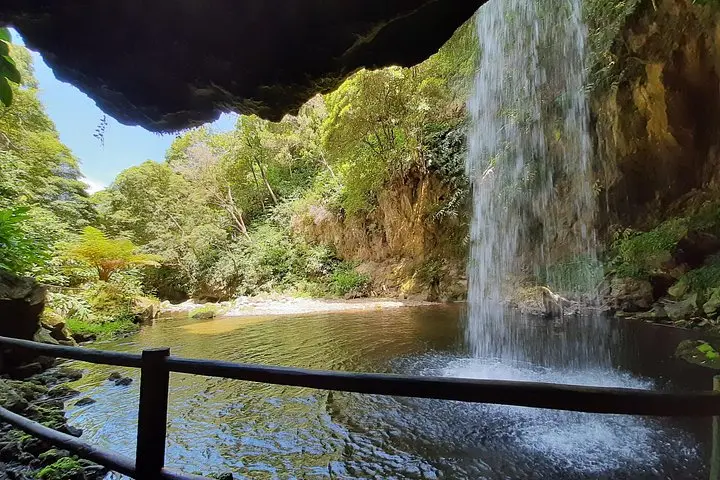
Hikers move through moss-scabbed stone walls and fern-lined tracks, the river daring you downstream as drops gather into a chain of waterfalls. Water slaps rock and calls you to the natural pools—many visitors do wade in when conditions allow—before the path climbs past terraced fields toward the tea plantation that is one of Europe’s quirks: a working, 19th-century tea estate in the middle of the Atlantic.
Geology here is volcanic: basalt folds and old lava flows shaped the steep ravines that channel the waterfalls. Culturally the route threads rural São Miguel life—small hamlets, agricultural terraces, and the long-running tea culture introduced in the 1800s that still steams in manual drying rooms.
Expect roughly 5.5 km of trail with moderate climbs and uneven footing—roots and wet rock are common. The hike portion is about 2 hours; a guided half-day tour including the plantation and viewpoints is closer to 4–5 hours. Bring waterproof layers and shoes with grip; conditions can shift quickly on the north coast.
Plan for limited shade, limited cellphone reception in deeper valleys, and time at the tea factory to learn production history. Move deliberately on slick stone, stay on marked paths to protect laurel forest fragments, and time your visit for morning light if you want the waterfalls to shine and the tea fields to show their green rows.
Many visitors swim in the pools when conditions are calm, but currents and hidden rocks exist—ask the guide and only enter where it’s deemed safe.
Yes; the half-day tour includes a stop at the local tea plantation with time to learn about processing and taste local teas.
The 5.5 km route is rated moderate due to uneven and occasionally steep sections; beginners with basic fitness can complete it at a steady pace.
Tours often include pickup options—confirm at booking; public transport exists nearby but timing can add to your travel time.
Green Corner Tours operates guided outdoor trips and adventures with an emphasis on safety, stewardship, and memorable experiences.
The trail begins in a green bowl above the north coast, where the air carries salt and steam and the valley opens like a page of living geology.
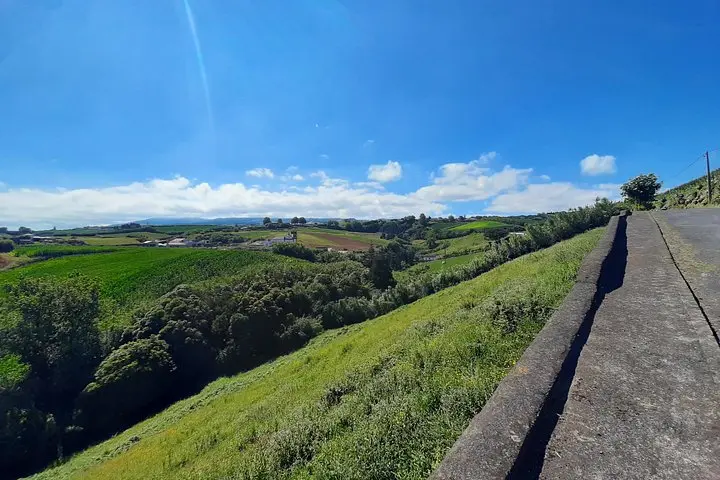
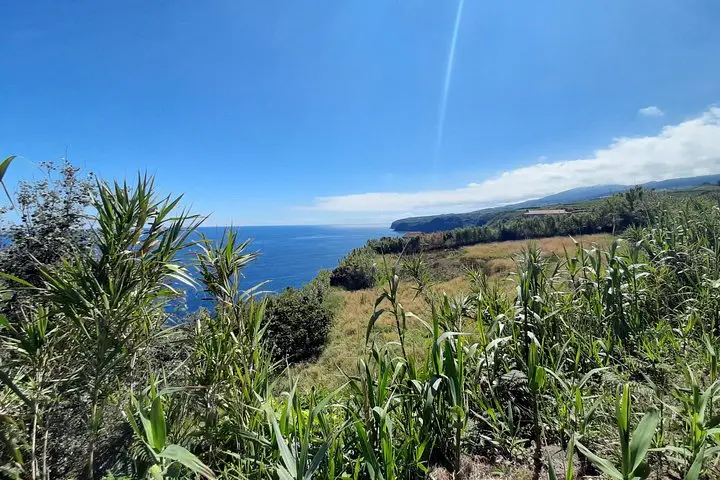
The trail begins in a green bowl above the north coast, where the air carries salt and steam and the valley opens like a page of living geology.
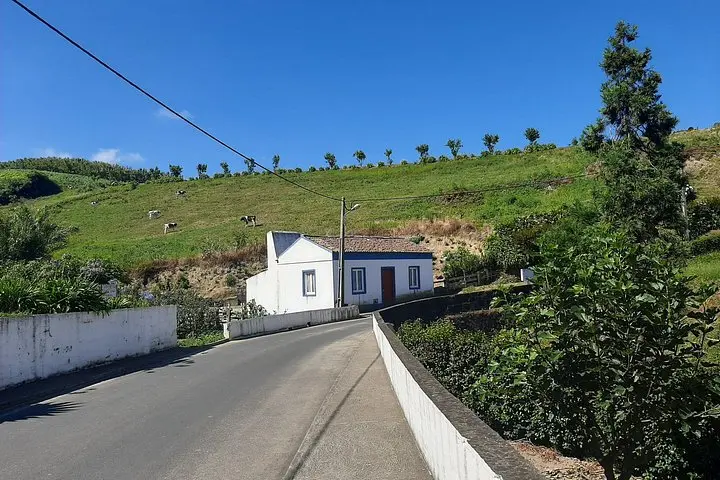
Hikers move through moss-scabbed stone walls and fern-lined tracks, the river daring you downstream as drops gather into a chain of waterfalls. Water slaps rock and calls you to the natural pools—many visitors do wade in when conditions allow—before the path climbs past terraced fields toward the tea plantation that is one of Europe’s quirks: a working, 19th-century tea estate in the middle of the Atlantic.
Geology here is volcanic: basalt folds and old lava flows shaped the steep ravines that channel the waterfalls. Culturally the route threads rural São Miguel life—small hamlets, agricultural terraces, and the long-running tea culture introduced in the 1800s that still steams in manual drying rooms.
Expect roughly 5.5 km of trail with moderate climbs and uneven footing—roots and wet rock are common. The hike portion is about 2 hours; a guided half-day tour including the plantation and viewpoints is closer to 4–5 hours. Bring waterproof layers and shoes with grip; conditions can shift quickly on the north coast.
Plan for limited shade, limited cellphone reception in deeper valleys, and time at the tea factory to learn production history. Move deliberately on slick stone, stay on marked paths to protect laurel forest fragments, and time your visit for morning light if you want the waterfalls to shine and the tea fields to show their green rows.