THE ADVENTURE COLLECTIVE® · Independent discovery and booking for outdoor travel

Spend a full day tracing northern Kyushu’s coastal story from Mojiko Retro’s historic harbor to Karato’s bustling seafood market, Kokura Castle’s samurai halls, and the sunset-aligned approach at Miyajidake Shrine. This guided outing blends seaside views, local flavors, and easy cultural walks.
Spend a full day tracing northern Kyushu’s coastal story from Mojiko Retro’s historic harbor to Karato’s bustling seafood market, Kokura Castle’s samurai halls, and the sunset-aligned approach at Miyajidake Shrine. This guided outing blends seaside views, local flavors, and easy cultural walks.
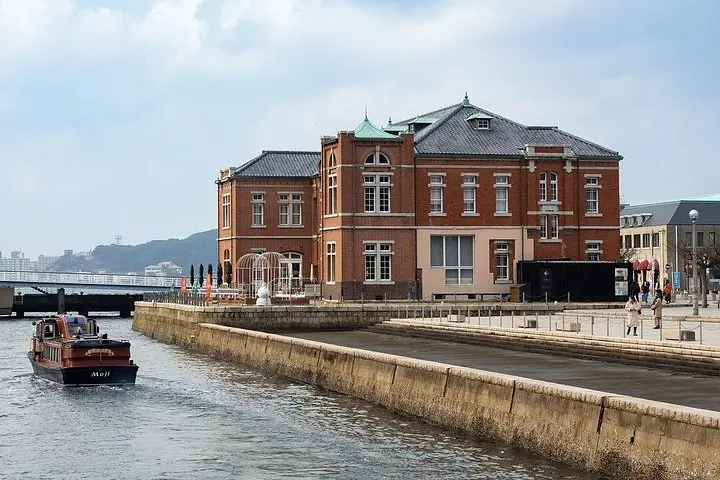
A salt-sweet wind greets you on the seawall at Mojiko as the promenade opens onto brick facades and iron-trimmed windows — the port seems to hold its breath between past and present.
Verified experiences and guided adventures in the surrounding area.
Operated by TREVOPEDIA · Kitakyushu, Fukuoka Prefecture
A salt-sweet wind greets you on the seawall at Mojiko as the promenade opens onto brick facades and iron-trimmed windows — the port seems to hold its breath between past and present.
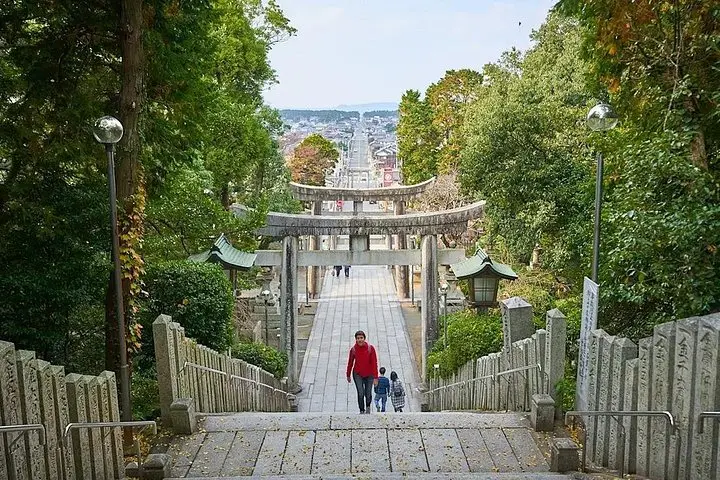
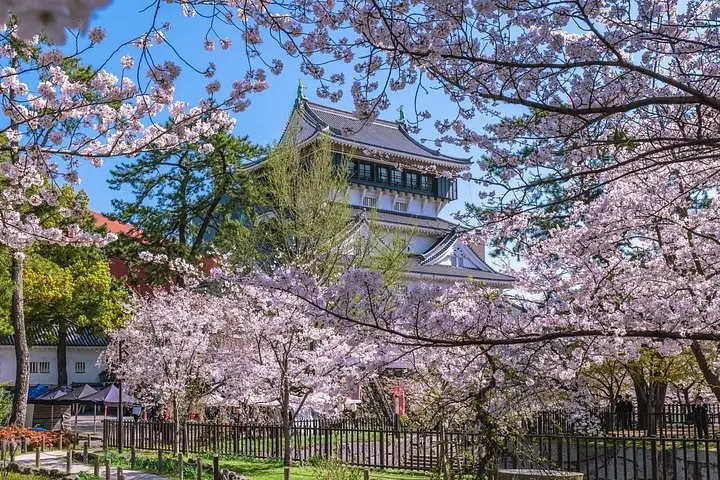
The tour stitches together northern Kyushu’s coastal character: Meiji- and Taisho-era warehouses at Mojiko Retro, the raw clamorous life of Karato fish market across the Kanmon Strait, the timbered grace of Kokura Castle, and the quiet, rising approach to Miyajidake Shrine with its monumental shimenawa.
History here is compact and readable. Mojiko’s Western-style buildings are reminders of Japan’s 19th-century trade turn; Karato has operated as a seafood crossroads for centuries; Kokura Castle dates to the early Edo period under the Hosokawa clan; Miyajidake’s Path of Light is a cultural alignment between shrine architecture and the seasonal sun.
Geology and currents matter: the Kanmon Strait’s tidal pull shaped ports and markets, and the coastal plain yields sweeping views from low hills. Local culture balances commerce and ritual — stallkeepers selling fugu shoulder local culinary confidence, while shrine attendants preserve ritual rhythms.
Practical guidance: expect a full 9–10 hour day with intercity transfers; wear cushioned walking shoes and a light rain layer, and carry cash for small stalls. Plan to photograph early or late light at the waterfront and shrine; respect shrine etiquette and market queues. Mobility-friendly vehicles and accessible routes are typically provided, but verify dietary or medical needs in advance. This is a day of walking and short drives that rewards curiosity about how northern Kyushu’s sea, history, and religion continue to shape daily life.
The tour runs about 9–10 hours and includes multiple short walks at each stop—expect moderate walking with opportunities to sit at cafés and market stalls.
Meals are typically not included; you can sample seafood at Karato Market including fugu at licensed vendors—exercise caution and follow vendor guidance.
Transportation and main sites are generally accessible, and the operator lists wheelchair access, but confirm specific assistance needs when booking.
Guides are provided in English and Chinese, and a Chinese-speaking driver is included per the tour description.
TREVOPEDIA operates guided outdoor trips and adventures with an emphasis on safety, stewardship, and memorable experiences.
A salt-sweet wind greets you on the seawall at Mojiko as the promenade opens onto brick facades and iron-trimmed windows — the port seems to hold its breath between past and present.
A salt-sweet wind greets you on the seawall at Mojiko as the promenade opens onto brick facades and iron-trimmed windows — the port seems to hold its breath between past and present.
The tour stitches together northern Kyushu’s coastal character: Meiji- and Taisho-era warehouses at Mojiko Retro, the raw clamorous life of Karato fish market across the Kanmon Strait, the timbered grace of Kokura Castle, and the quiet, rising approach to Miyajidake Shrine with its monumental shimenawa.
History here is compact and readable. Mojiko’s Western-style buildings are reminders of Japan’s 19th-century trade turn; Karato has operated as a seafood crossroads for centuries; Kokura Castle dates to the early Edo period under the Hosokawa clan; Miyajidake’s Path of Light is a cultural alignment between shrine architecture and the seasonal sun.
Geology and currents matter: the Kanmon Strait’s tidal pull shaped ports and markets, and the coastal plain yields sweeping views from low hills. Local culture balances commerce and ritual — stallkeepers selling fugu shoulder local culinary confidence, while shrine attendants preserve ritual rhythms.
Practical guidance: expect a full 9–10 hour day with intercity transfers; wear cushioned walking shoes and a light rain layer, and carry cash for small stalls. Plan to photograph early or late light at the waterfront and shrine; respect shrine etiquette and market queues. Mobility-friendly vehicles and accessible routes are typically provided, but verify dietary or medical needs in advance. This is a day of walking and short drives that rewards curiosity about how northern Kyushu’s sea, history, and religion continue to shape daily life.