THE ADVENTURE COLLECTIVE® · Independent discovery and booking for outdoor travel

Glide through the Okavango’s maze of channels by mokoro and camp on river islands where guides teach poling and bushcraft. This 2-night trip pairs silent canoe travel with guided walks and simple camp comforts under spectacular stars.
Glide through the Okavango’s maze of channels by mokoro and camp on river islands where guides teach poling and bushcraft. This 2-night trip pairs silent canoe travel with guided walks and simple camp comforts under spectacular stars.
Dawn breaks low and pale over the slow channels of the Okavango; the mokoro slips forward as the poler pushes its long pole into soft, dark water. Reeds whisper against the hull and birds call from islands that rise like grassy knuckles. This two-night mokoro camping trip trades engine noise for the hush of paddles and the crackle of a campfire under a vast southern sky.
Verified experiences and guided adventures in the surrounding area.
Operated by RENNS EXCURSIONS · Maun, North-West District
Dawn breaks low and pale over the slow channels of the Okavango; the mokoro slips forward as the poler pushes its long pole into soft, dark water. Reeds whisper against the hull and birds call from islands that rise like grassy knuckles. This two-night mokoro camping trip trades engine noise for the hush of paddles and the crackle of a campfire under a vast southern sky.
Geologically the Delta is an inland alluvial fan where seasonal floods fan out across the Kalahari, creating channels, lagoons and palm-studded islands. Human history here is deep: local communities developed mokoros from dugout trunks to move quietly through wildlife-rich waters, and modern guides combine that tradition with conservation knowledge. Expect to learn about flood rhythms, papyrus ecology and the Delta’s role as a UNESCO World Heritage Site while watching elephants cross shallow flats.
Practically, the trip is a mix of gentle water travel and guided bush walks on islands—rare chances to walk near wildlife with experienced guides. Nights are spent in dome tents with bed rolls and simple ablutions; meals are cooked by the camp chef and served by candle or around the fire.
Pack for heat by day and cool nights, protect against insects, and bring a dry bag for camera gear. Move slowly when approaching wildlife; the poler’s silence is your best chance for close sightings. Plan to rise with the sun for the most active wildlife hours, and save energy for short, unsurfaced island walks. This is an intimate, low-impact safari that privileges slow travel and close observation over long game drives.
Trips are run by experienced guides and camp staff who follow strict safety protocols; camps are sited to minimize risk and guides will brief you on safe behavior around wildlife.
You sleep in dome tents with mattress and linen; ablutions are bucket/bush showers and long-drop toilets set a short distance from camp.
Historically yes, but many operators now use eco-friendly fiberglass mokoros that mimic the shape and poling experience while conserving large trees.
This operator lists the activity as not recommended for pregnant travelers; suitability for children depends on age and comfort with basic camping — check with the provider before booking.
RENNS EXCURSIONS operates guided outdoor trips and adventures with an emphasis on safety, stewardship, and memorable experiences.
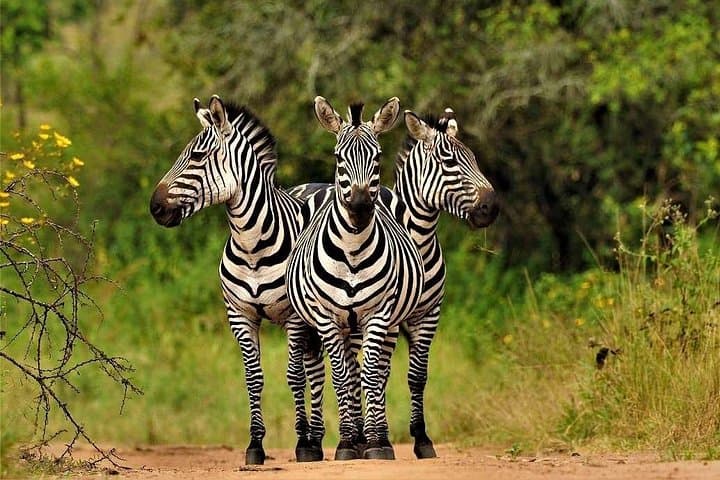
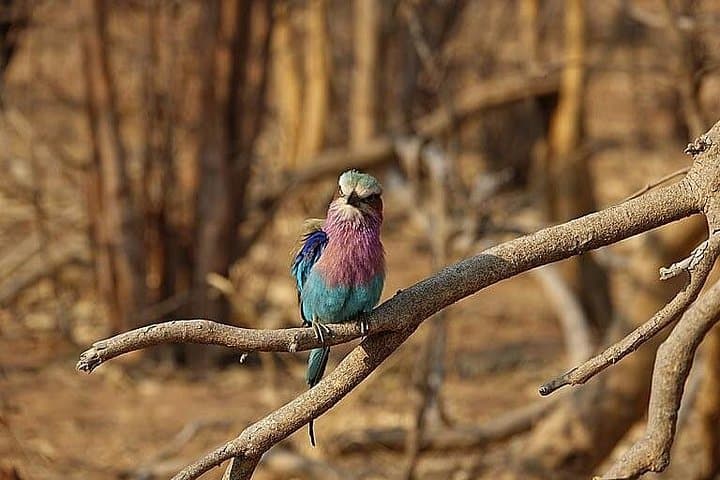

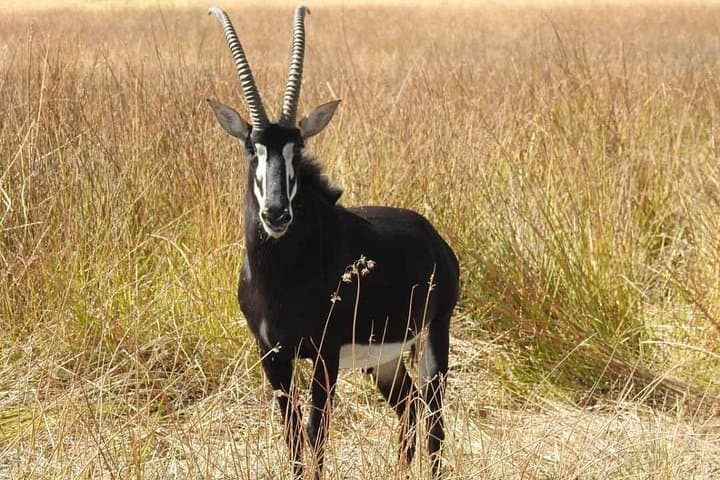
Dawn breaks low and pale over the slow channels of the Okavango; the mokoro slips forward as the poler pushes its long pole into soft, dark water. Reeds whisper against the hull and birds call from islands that rise like grassy knuckles. This two-night mokoro camping trip trades engine noise for the hush of paddles and the crackle of a campfire under a vast southern sky.
Dawn breaks low and pale over the slow channels of the Okavango; the mokoro slips forward as the poler pushes its long pole into soft, dark water. Reeds whisper against the hull and birds call from islands that rise like grassy knuckles. This two-night mokoro camping trip trades engine noise for the hush of paddles and the crackle of a campfire under a vast southern sky.
Geologically the Delta is an inland alluvial fan where seasonal floods fan out across the Kalahari, creating channels, lagoons and palm-studded islands. Human history here is deep: local communities developed mokoros from dugout trunks to move quietly through wildlife-rich waters, and modern guides combine that tradition with conservation knowledge. Expect to learn about flood rhythms, papyrus ecology and the Delta’s role as a UNESCO World Heritage Site while watching elephants cross shallow flats.
Practically, the trip is a mix of gentle water travel and guided bush walks on islands—rare chances to walk near wildlife with experienced guides. Nights are spent in dome tents with bed rolls and simple ablutions; meals are cooked by the camp chef and served by candle or around the fire.
Pack for heat by day and cool nights, protect against insects, and bring a dry bag for camera gear. Move slowly when approaching wildlife; the poler’s silence is your best chance for close sightings. Plan to rise with the sun for the most active wildlife hours, and save energy for short, unsurfaced island walks. This is an intimate, low-impact safari that privileges slow travel and close observation over long game drives.