THE ADVENTURE COLLECTIVE® · Independent discovery and booking for outdoor travel

Float reed channels by mokoro, walk island trails with Bayei guides and sleep under lantern light on Boro Island. This two-day camping safari in the Okavango Delta pairs intimate wildlife viewing with cultural interpretation and simple, comfortable camp life.
Float reed channels by mokoro, walk island trails with Bayei guides and sleep under lantern light on Boro Island. This two-day camping safari in the Okavango Delta pairs intimate wildlife viewing with cultural interpretation and simple, comfortable camp life.
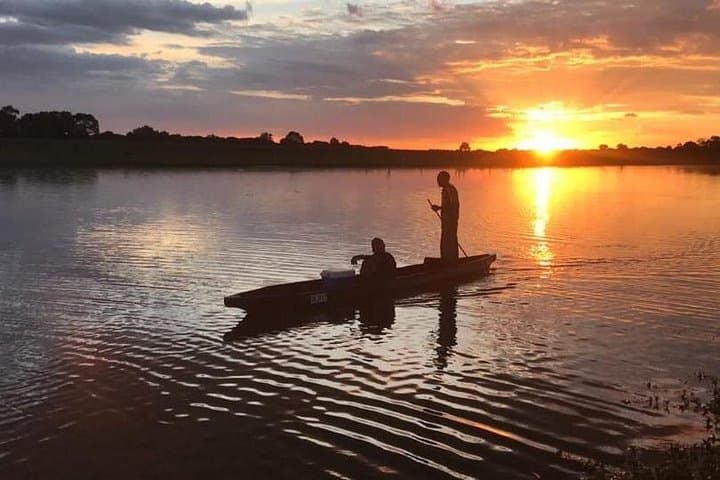
The mokoro slips through a web of reed channels at first light, the poler’s steady pushes sending tiny ripples that dare the water to keep secrets. Birdsong stitches the air as you drift toward Boro Island, where a lantern-lit camp waits behind a fringe of papyrus and sausage trees.
Verified experiences and guided adventures in the surrounding area.
Operated by Boteti Tented Safari Lodge · Maun, North-West District
The mokoro slips through a web of reed channels at first light, the poler’s steady pushes sending tiny ripples that dare the water to keep secrets. Birdsong stitches the air as you drift toward Boro Island, where a lantern-lit camp waits behind a fringe of papyrus and sausage trees.
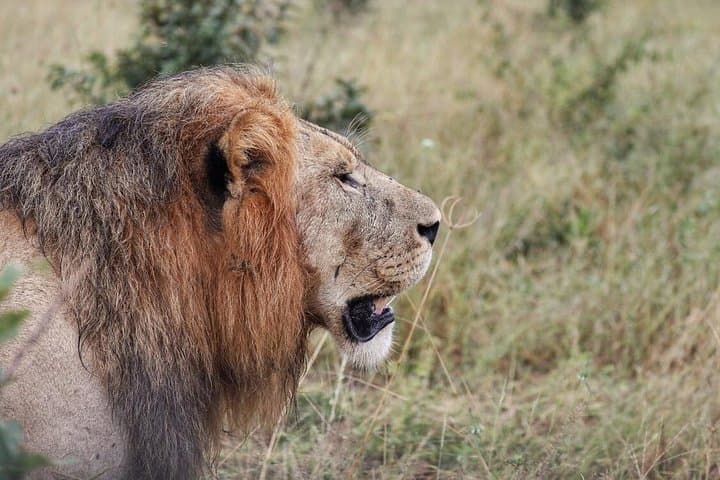
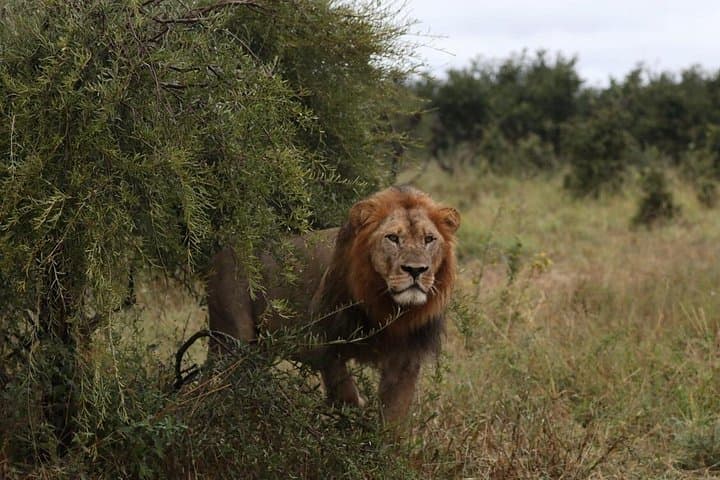
This stretch of the southern Okavango Delta is shaped by seasonal floods from the Angolan highlands; channels carve and refill on a rhythm older than maps. Many guides are from the Bayei — “people of the Delta” — who read water, reeds and animal tracks the way sailors read stars. Expect conversations about traditional plant medicine and quiet lessons on local ecology as much as wildlife sightings: elephants that test the water’s edge, hippos grunting in the channels, and reed frogs filling the night.
Practically speaking, the trip is a hands-off paddling experience: your mokoro is poled by a skilled guide while you watch the delta unfold. Days include a 2–3 hour guided nature walk (relatively flat, 3–5 km) and time afloat through narrow channels. Camp is described as "rustic luxury": beds and linen provided, lanterns and cooked meals, but basic facilities.
Bring layered, quick-dry clothing, waterproof daypack, sturdy shoes for shoreline walks and strong insect repellent. Be ready for early starts (pick-up around 06:00) and variable water levels — higher floods mean longer mokoro legs and closer wildlife encounters, low water shifts more walking. Move quietly, follow guide instructions, and the delta will reveal itself on its own terms.
No — professional polers handle the mokoros; guests ride and observe. Basic balance and comfort sitting in a narrow canoe are helpful.
The camp is "rustic luxury": beds, linen and meals are provided, but facilities remain simple and integrated with the environment.
Yes, sightings of elephants, hippos and diverse birdlife are common near channels; large predator sightings are possible but less frequent.
Pickup is typically around 06:00 on day one; the trip returns to Maun around midday on day two (approximately 12:00).
Boteti Tented Safari Lodge operates guided outdoor trips and adventures with an emphasis on safety, stewardship, and memorable experiences.
The mokoro slips through a web of reed channels at first light, the poler’s steady pushes sending tiny ripples that dare the water to keep secrets. Birdsong stitches the air as you drift toward Boro Island, where a lantern-lit camp waits behind a fringe of papyrus and sausage trees.
The mokoro slips through a web of reed channels at first light, the poler’s steady pushes sending tiny ripples that dare the water to keep secrets. Birdsong stitches the air as you drift toward Boro Island, where a lantern-lit camp waits behind a fringe of papyrus and sausage trees.
This stretch of the southern Okavango Delta is shaped by seasonal floods from the Angolan highlands; channels carve and refill on a rhythm older than maps. Many guides are from the Bayei — “people of the Delta” — who read water, reeds and animal tracks the way sailors read stars. Expect conversations about traditional plant medicine and quiet lessons on local ecology as much as wildlife sightings: elephants that test the water’s edge, hippos grunting in the channels, and reed frogs filling the night.
Practically speaking, the trip is a hands-off paddling experience: your mokoro is poled by a skilled guide while you watch the delta unfold. Days include a 2–3 hour guided nature walk (relatively flat, 3–5 km) and time afloat through narrow channels. Camp is described as "rustic luxury": beds and linen provided, lanterns and cooked meals, but basic facilities.
Bring layered, quick-dry clothing, waterproof daypack, sturdy shoes for shoreline walks and strong insect repellent. Be ready for early starts (pick-up around 06:00) and variable water levels — higher floods mean longer mokoro legs and closer wildlife encounters, low water shifts more walking. Move quietly, follow guide instructions, and the delta will reveal itself on its own terms.