THE ADVENTURE COLLECTIVE® · Independent discovery and booking for outdoor travel

Glide the waterways of the Okavango in a traditional mokoro and let local polers guide you past reed beds, hippos and distant elephant herds. This full-day shared trip from Maun pairs a peaceful canoe ride with a shaded island walk and community-led insight.
Glide the waterways of the Okavango in a traditional mokoro and let local polers guide you past reed beds, hippos and distant elephant herds. This full-day shared trip from Maun pairs a peaceful canoe ride with a shaded island walk and community-led insight.
You push off from a reed-fringed bank and the mokoro slips forward with a soft, wooden sigh; the poler stands at the stern, reading currents and channels the way a cartographer reads lines on a map. Waterlilies brush the gunwales and birdcalls stitch the silence as the canoe threads narrow waterways carved from Kalahari sand.
Verified experiences and guided adventures in the surrounding area.
Operated by Mosu Safari Tours · Maun, North-West District
You push off from a reed-fringed bank and the mokoro slips forward with a soft, wooden sigh; the poler stands at the stern, reading currents and channels the way a cartographer reads lines on a map. Waterlilies brush the gunwales and birdcalls stitch the silence as the canoe threads narrow waterways carved from Kalahari sand.
The Okavango Delta is a seasonal inland wetland where annual floods transform dry savanna into a braided aquatic landscape. Mokoros—traditional dugout canoes now often replicated in fiberglass—are a quiet way to approach wildlife and local culture: polers belong to community trusts that run trips, passing income and knowledge back to villages around Maun.
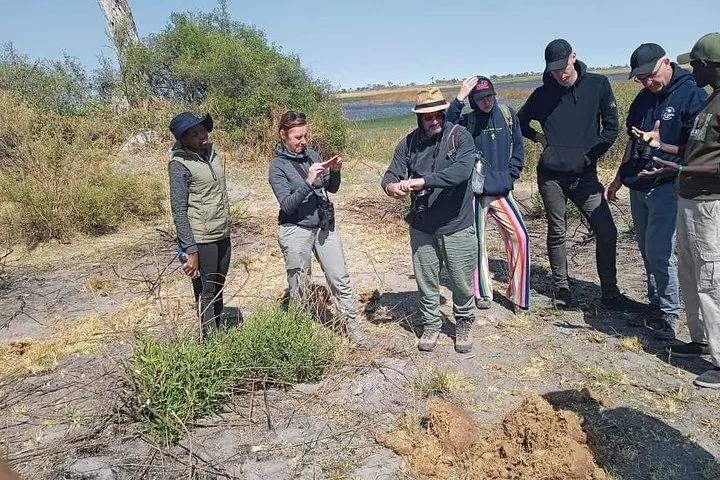
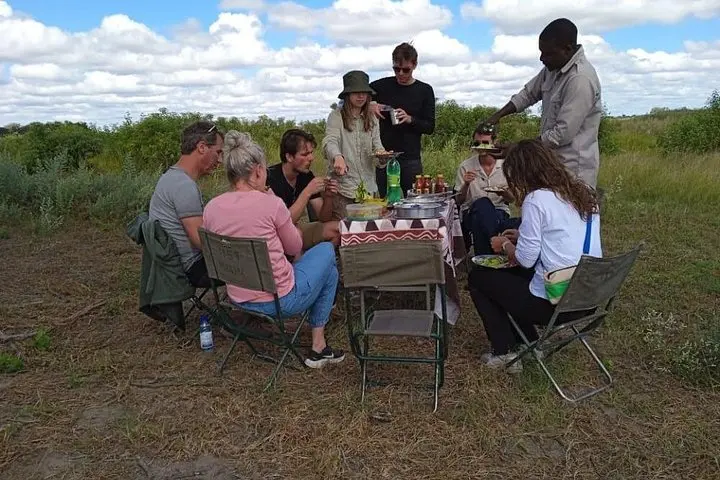
Geology here is plain and subtle: slow-moving water deposits sand and supports papyrus and reed beds that filter water and create microhabitats. Cultural context matters—the trip supports community polers whose skills and stories shape the route, and lunch is often served on a shaded island with views across floodplains.
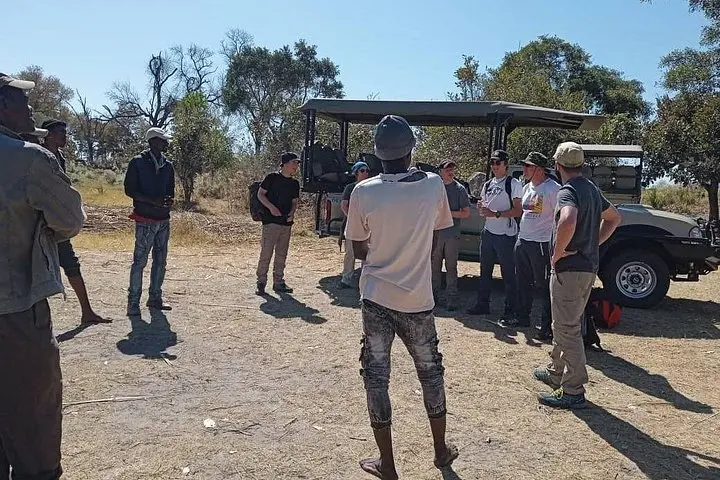
Practical guidance: expect a shared full-day tour (about 9 hours) with hotel pickup around 07:30 and return mid-afternoon. One mokoro typically carries two guests plus a poler; wear quick-dry layers, sun protection, and shoes that can get wet. Wildlife sightings are often at a distance—hippos and elephants are common near channels, while a short island walk can reveal zebra or impala tracks.
Move deliberately in the mokoro, follow your guide’s safety briefings around hippo country, and bring binoculars and a small daypack. The experience is slow, tactile, and generous—nature that nudges you to listen.
Typically two guests per mokoro with one poler; larger groups are split across multiple canoes.
Polers know local hippo behavior and will route channels and brief guests—remain quiet and follow instructions to reduce risk.
Yes—mokoros are shallow and stable, but expect occasional splashes; wear a life jacket if provided and stay seated when advised.
Common sightings include hippos, elephants at a distance, waterbirds, and on island walks you may see zebra, impala or their tracks.
Mosu Safari Tours operates guided outdoor trips and adventures with an emphasis on safety, stewardship, and memorable experiences.
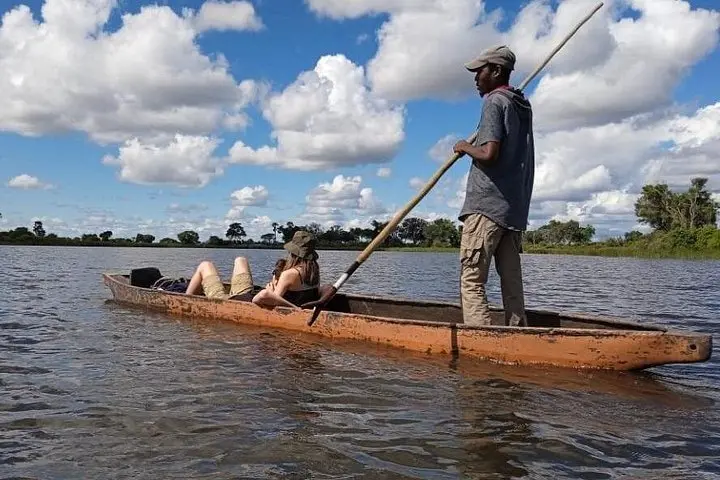
You push off from a reed-fringed bank and the mokoro slips forward with a soft, wooden sigh; the poler stands at the stern, reading currents and channels the way a cartographer reads lines on a map. Waterlilies brush the gunwales and birdcalls stitch the silence as the canoe threads narrow waterways carved from Kalahari sand.
You push off from a reed-fringed bank and the mokoro slips forward with a soft, wooden sigh; the poler stands at the stern, reading currents and channels the way a cartographer reads lines on a map. Waterlilies brush the gunwales and birdcalls stitch the silence as the canoe threads narrow waterways carved from Kalahari sand.
The Okavango Delta is a seasonal inland wetland where annual floods transform dry savanna into a braided aquatic landscape. Mokoros—traditional dugout canoes now often replicated in fiberglass—are a quiet way to approach wildlife and local culture: polers belong to community trusts that run trips, passing income and knowledge back to villages around Maun.
Geology here is plain and subtle: slow-moving water deposits sand and supports papyrus and reed beds that filter water and create microhabitats. Cultural context matters—the trip supports community polers whose skills and stories shape the route, and lunch is often served on a shaded island with views across floodplains.
Practical guidance: expect a shared full-day tour (about 9 hours) with hotel pickup around 07:30 and return mid-afternoon. One mokoro typically carries two guests plus a poler; wear quick-dry layers, sun protection, and shoes that can get wet. Wildlife sightings are often at a distance—hippos and elephants are common near channels, while a short island walk can reveal zebra or impala tracks.
Move deliberately in the mokoro, follow your guide’s safety briefings around hippo country, and bring binoculars and a small daypack. The experience is slow, tactile, and generous—nature that nudges you to listen.