THE ADVENTURE COLLECTIVE® · Independent discovery and booking for outdoor travel

A morning boat run from Kihei delivers two guided scuba dives at Molokini Crater—crystal-clear walls, abundant reef life, and small group attention from seasoned dive masters. Learn logistics, what to bring, and how to dive respectfully in this protected marine area.
A morning boat run from Kihei delivers two guided scuba dives at Molokini Crater—crystal-clear walls, abundant reef life, and small group attention from seasoned dive masters. Learn logistics, what to bring, and how to dive respectfully in this protected marine area.
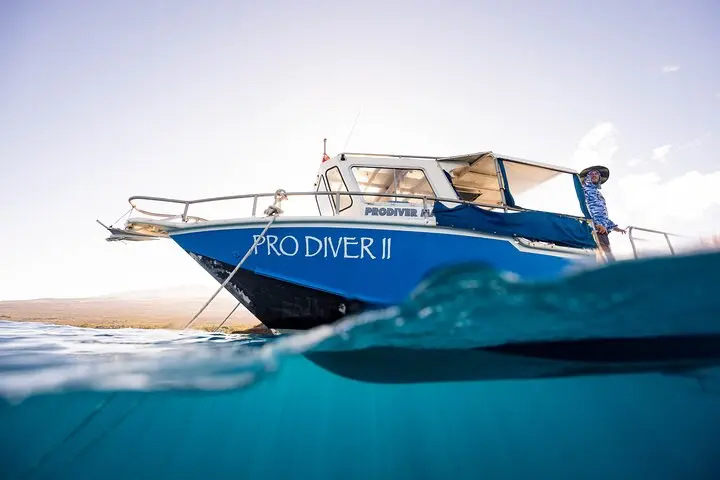
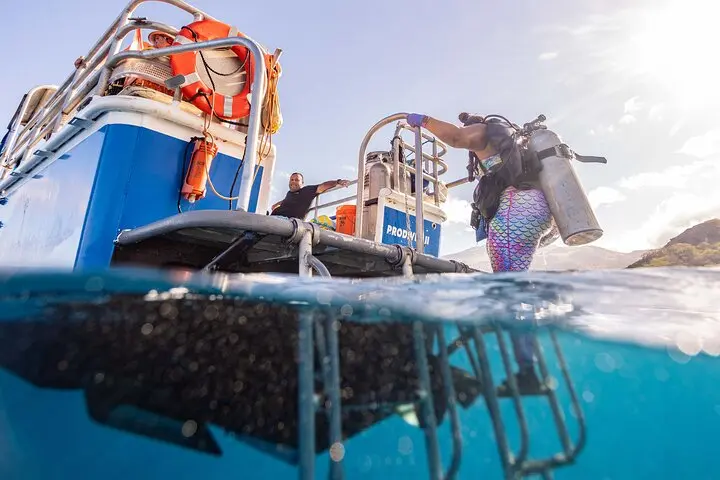
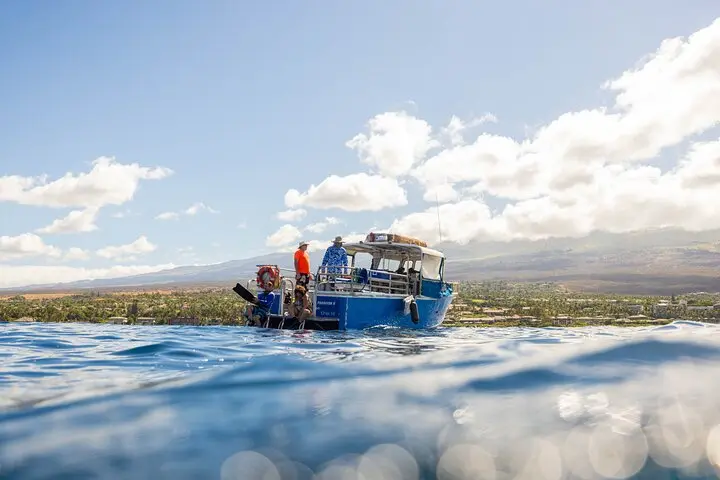
The boat slips quietly away from Kihei before dawn, lights still haloing the street. You feel the ocean wake under the hull—cool, insistent—like someone pulling you toward the crater. By the time the sun softens over Haleakalā, Molokini's crescent rim appears: a black curve in a pool of glass. The captain moors as seabirds circle and the dive team runs through gear with the calm precision of people who read currents for a living.
Verified experiences and guided adventures in the surrounding area.
Operated by Yonegan Pro-Diver Maui · Kihei, Hawaii
The boat slips quietly away from Kihei before dawn, lights still haloing the street. You feel the ocean wake under the hull—cool, insistent—like someone pulling you toward the crater. By the time the sun softens over Haleakalā, Molokini's crescent rim appears: a black curve in a pool of glass. The captain moors as seabirds circle and the dive team runs through gear with the calm precision of people who read currents for a living.
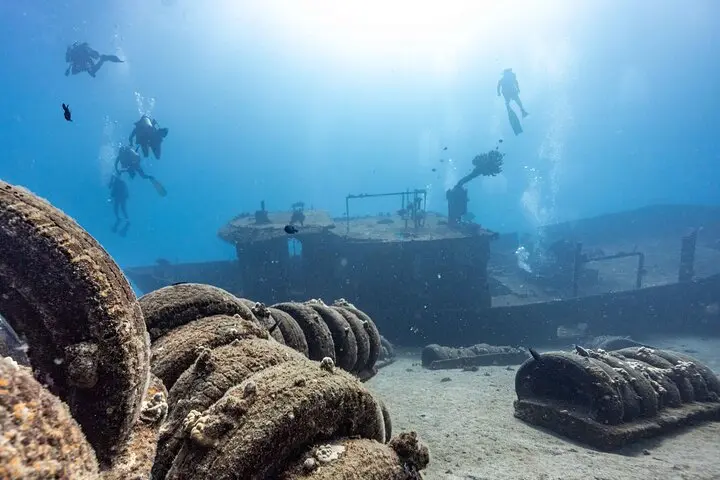
Molokini is the exposed lip of a submerged volcanic crater that rises abruptly from deep water. The crescent shape forms a protected inner basin with steep walls that plummet into blue, and the surrounding reef drops in shelves and ledges favored by tropical life. For generations Hawaiians fished these waters; today the crescent is a protected marine area where visibility often exceeds 60 feet and schools of fish treat the reef like a bustling city.
Geology gives the site its drama: you drift along vertical walls and ledges formed by lava flows, passing pockets of coral that cling to sheer rock. Cultural context is quiet but present—many guides point out how traditional Hawaiian fishing practices once respected the seasons and spawning cycles that still govern how these waters are managed.
Expect two guided dives: a morning rotation inside or near the crater rim—calmer, shallower, excellent for visibility—and a second south-side dive that can be deeper and a touch more current-driven. The boat operator keeps groups small (max 12), and providers often pair you with a dive master who reads your logbook before you climb aboard.
Practical edge: show up early to the Kihei Boat Ramp (meet at 6:15am), bring your dive certification card and recent dive dates, and send height/weight/shoe-size to the operator if you need rental gear. The standard 3-hour window gets you two tanks with surface intervals; rides are typically 20–40 minutes each way depending on conditions. Rentals are available for a fee, but if you have a trusted mask and computer, bring them—personal fit matters underwater.
Safety and etiquette matter here. You must have dove within two years or complete a refresher. Don't touch coral, don't chase wildlife, and use reef-safe sunscreen topside. The ocean will push and pull—currents can be playful or insistent—so neutral buoyancy is your best way to move gracefully and leave the reef intact.
Post-dive, the boat usually serves bottled water and snacks; bring a towel and dry clothes. If you want a quieter day, book a private guide or ask for south-side focus to seek turtles and larger schools. This trip is a concentrated hit of Maui marine life, geology, and practical diving—designed to leave you wet, tired, and glad you came.
Yes—participants must hold a scuba certification (Open Water or higher) and provide dates of their most recent dives; a refresher is required if you haven't dived within two years.
Typical dive profiles range from 25 to 60 feet (8–18 meters), depending on the site and conditions; your dive master will plan according to skill level and currents.
Meet at the Kihei Boat Ramp (follow signage to the big Blue Pro-Diver boats) at 6:15am for 2-tank cruises; return to port between 10 and 11am.
Basic bottled water and snacks are included; full scuba gear rental is available for an added fee—notify the operator of sizes when booking.
Not recommended for pregnant travelers or those with serious cardiovascular or spinal conditions; moderate fitness is required and dive medical considerations apply.
Full refund available if you cancel at least 24 hours before departure; trips may be canceled for weather or insufficient travelers.
Yonegan Pro-Diver Maui operates guided outdoor trips and adventures with an emphasis on safety, stewardship, and memorable experiences.
The boat slips quietly away from Kihei before dawn, lights still haloing the street. You feel the ocean wake under the hull—cool, insistent—like someone pulling you toward the crater. By the time the sun softens over Haleakalā, Molokini's crescent rim appears: a black curve in a pool of glass. The captain moors as seabirds circle and the dive team runs through gear with the calm precision of people who read currents for a living.
The boat slips quietly away from Kihei before dawn, lights still haloing the street. You feel the ocean wake under the hull—cool, insistent—like someone pulling you toward the crater. By the time the sun softens over Haleakalā, Molokini's crescent rim appears: a black curve in a pool of glass. The captain moors as seabirds circle and the dive team runs through gear with the calm precision of people who read currents for a living.
Molokini is the exposed lip of a submerged volcanic crater that rises abruptly from deep water. The crescent shape forms a protected inner basin with steep walls that plummet into blue, and the surrounding reef drops in shelves and ledges favored by tropical life. For generations Hawaiians fished these waters; today the crescent is a protected marine area where visibility often exceeds 60 feet and schools of fish treat the reef like a bustling city.
Geology gives the site its drama: you drift along vertical walls and ledges formed by lava flows, passing pockets of coral that cling to sheer rock. Cultural context is quiet but present—many guides point out how traditional Hawaiian fishing practices once respected the seasons and spawning cycles that still govern how these waters are managed.
Expect two guided dives: a morning rotation inside or near the crater rim—calmer, shallower, excellent for visibility—and a second south-side dive that can be deeper and a touch more current-driven. The boat operator keeps groups small (max 12), and providers often pair you with a dive master who reads your logbook before you climb aboard.
Practical edge: show up early to the Kihei Boat Ramp (meet at 6:15am), bring your dive certification card and recent dive dates, and send height/weight/shoe-size to the operator if you need rental gear. The standard 3-hour window gets you two tanks with surface intervals; rides are typically 20–40 minutes each way depending on conditions. Rentals are available for a fee, but if you have a trusted mask and computer, bring them—personal fit matters underwater.
Safety and etiquette matter here. You must have dove within two years or complete a refresher. Don't touch coral, don't chase wildlife, and use reef-safe sunscreen topside. The ocean will push and pull—currents can be playful or insistent—so neutral buoyancy is your best way to move gracefully and leave the reef intact.
Post-dive, the boat usually serves bottled water and snacks; bring a towel and dry clothes. If you want a quieter day, book a private guide or ask for south-side focus to seek turtles and larger schools. This trip is a concentrated hit of Maui marine life, geology, and practical diving—designed to leave you wet, tired, and glad you came.