THE ADVENTURE COLLECTIVE® · Independent discovery and booking for outdoor travel

A fast, small-group zodiac ride from Maʻalaea Harbor delivers an hour inside Molokini’s crystalline crater followed by a secluded swim with Hawaiian green sea turtles — an efficient, wildlife-focused half-day on Maui.
A fast, small-group zodiac ride from Maʻalaea Harbor delivers an hour inside Molokini’s crystalline crater followed by a secluded swim with Hawaiian green sea turtles — an efficient, wildlife-focused half-day on Maui.
The morning starts before sunrise at Maʻalaea Harbor, where a low yellow Super Raft waits like a bright promise against the blue. Guests climb aboard, stretch stiff limbs, and watch Maui slip astern as the boat cuts a quick, steady trail toward Molokini — a crescent-shaped remnant of volcanic fire that rises just off the island’s southern coast.
Verified experiences and guided adventures in the surrounding area.
Operated by Maui Reef Adventures · Ma'alaea, Hawaii
The morning starts before sunrise at Maʻalaea Harbor, where a low yellow Super Raft waits like a bright promise against the blue. Guests climb aboard, stretch stiff limbs, and watch Maui slip astern as the boat cuts a quick, steady trail toward Molokini — a crescent-shaped remnant of volcanic fire that rises just off the island’s southern coast.
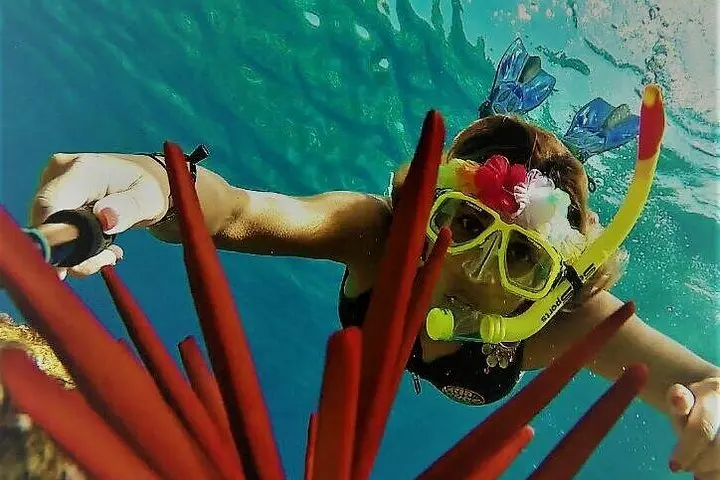
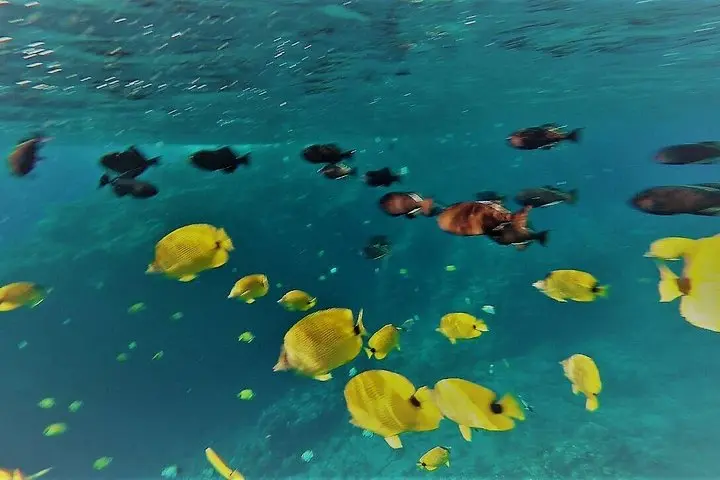
Molokini is sharper than it looks from shore: a partially submerged volcanic cone whose sheltered interior creates warm, clear water and an unlikely marine microclimate. On arrival the crew eases the raft into the crater's calm basin and hands out masks and fins. For an hour the crater claims you: fish of bright, serrated colors weave through cauliflower coral and the surface shimmers with sunlight. The water is often so clear that you can see depth fall away in shades of jade and cobalt.
This is more than a pretty swim. Molokini formed during the Hawaiian Islands’ most recent phase of volcanism; its steep walls and sheltered reef are a living classroom of Pacific geology and reef ecology. Guides point out species endemic to Hawaiian waters and explain how currents and seasonal trade winds shape visibility and marine life. After the crater, the boat moves to a quieter bay — Turtle Cove — where Hawaiian green sea turtles graze on algal patches. Here the pace slows: turtles surface with deliberate breaths and the crew reminds visitors to give space while watching these protected animals.
Culturally, the ocean around Maui is a working place and a sacred one. Modern fisheries, ancient navigation traditions and the stewardship practices of local hālau influence how tours operate; operators on Maui emphasize reef-safe sunscreen, briefings on interaction etiquette, and small-group runs that keep pressure off fragile shoals.
Practicalities are straightforward. The outing is a half-day trip: check in at Maʻalaea Harbor at 7:30 a.m., expect about 30 minutes to Molokini and two snorkel stops. Bring reef-safe sunscreen, a light cover-up for the return ride, and a waterproof camera or housing if you want photos beneath the surface. If you’re not a confident swimmer, request a flotation device and stay near the guide; the raft provides stable platforms for entry and exits.
Timing matters: calm mornings give the best visibility, and operators will reroute for safety when trade winds build. For photographers aim for low sun angles when the water takes on blue-green clarity; for wildlife watchers, patience and silence at Turtle Cove reward with close turtle encounters. This trip is vivid, efficient and practical — a compact way to experience two different marine worlds off Maui in a single morning.
The total outing is approximately 4 hours with about 30 minutes transit to Molokini and two snorkel stops.
Yes—buoyancy aids and flotation noodles are available and guests are encouraged to use them if needed.
Not recommended for non-swimmers; participants should be able to float and move in open water, though vests help less-confident swimmers.
Participants must be at least 4 years old; infants and lap children are not permitted.
Yes; breakfast pastries, Maui Gold pineapple, snack bars, and a sandwich lunch with beverages are included.
Operators monitor conditions and may cancel for safety; you can reschedule or receive a full refund if the trip is cancelled.
Maui Reef Adventures operates guided outdoor trips and adventures with an emphasis on safety, stewardship, and memorable experiences.
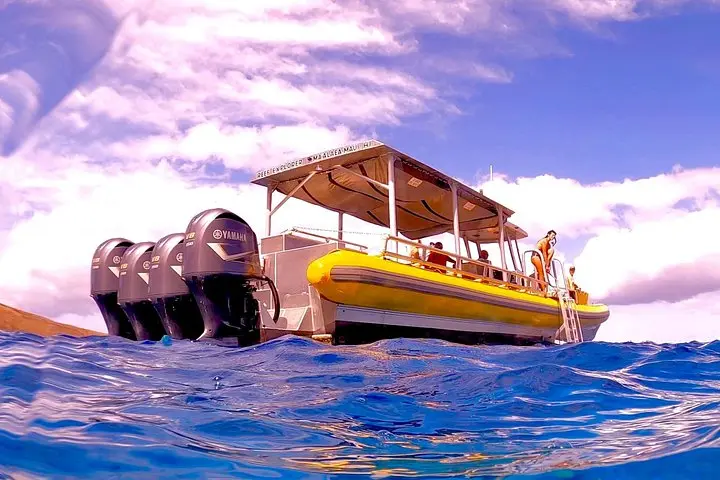
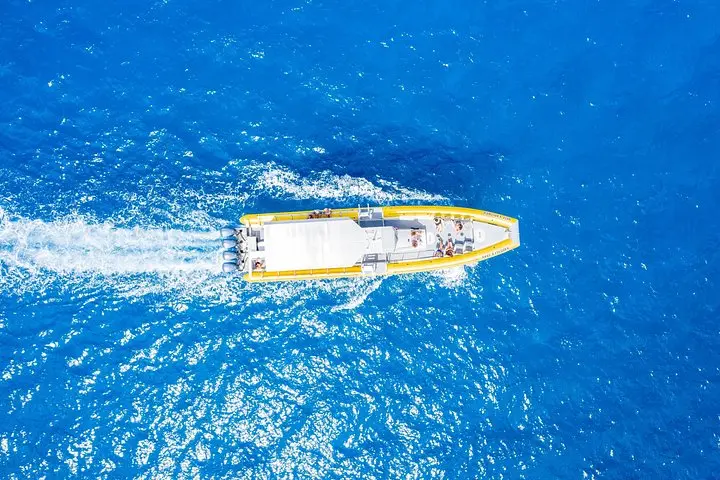
The morning starts before sunrise at Maʻalaea Harbor, where a low yellow Super Raft waits like a bright promise against the blue. Guests climb aboard, stretch stiff limbs, and watch Maui slip astern as the boat cuts a quick, steady trail toward Molokini — a crescent-shaped remnant of volcanic fire that rises just off the island’s southern coast.
The morning starts before sunrise at Maʻalaea Harbor, where a low yellow Super Raft waits like a bright promise against the blue. Guests climb aboard, stretch stiff limbs, and watch Maui slip astern as the boat cuts a quick, steady trail toward Molokini — a crescent-shaped remnant of volcanic fire that rises just off the island’s southern coast.
Molokini is sharper than it looks from shore: a partially submerged volcanic cone whose sheltered interior creates warm, clear water and an unlikely marine microclimate. On arrival the crew eases the raft into the crater's calm basin and hands out masks and fins. For an hour the crater claims you: fish of bright, serrated colors weave through cauliflower coral and the surface shimmers with sunlight. The water is often so clear that you can see depth fall away in shades of jade and cobalt.
This is more than a pretty swim. Molokini formed during the Hawaiian Islands’ most recent phase of volcanism; its steep walls and sheltered reef are a living classroom of Pacific geology and reef ecology. Guides point out species endemic to Hawaiian waters and explain how currents and seasonal trade winds shape visibility and marine life. After the crater, the boat moves to a quieter bay — Turtle Cove — where Hawaiian green sea turtles graze on algal patches. Here the pace slows: turtles surface with deliberate breaths and the crew reminds visitors to give space while watching these protected animals.
Culturally, the ocean around Maui is a working place and a sacred one. Modern fisheries, ancient navigation traditions and the stewardship practices of local hālau influence how tours operate; operators on Maui emphasize reef-safe sunscreen, briefings on interaction etiquette, and small-group runs that keep pressure off fragile shoals.
Practicalities are straightforward. The outing is a half-day trip: check in at Maʻalaea Harbor at 7:30 a.m., expect about 30 minutes to Molokini and two snorkel stops. Bring reef-safe sunscreen, a light cover-up for the return ride, and a waterproof camera or housing if you want photos beneath the surface. If you’re not a confident swimmer, request a flotation device and stay near the guide; the raft provides stable platforms for entry and exits.
Timing matters: calm mornings give the best visibility, and operators will reroute for safety when trade winds build. For photographers aim for low sun angles when the water takes on blue-green clarity; for wildlife watchers, patience and silence at Turtle Cove reward with close turtle encounters. This trip is vivid, efficient and practical — a compact way to experience two different marine worlds off Maui in a single morning.