THE ADVENTURE COLLECTIVE® · Independent discovery and booking for outdoor travel

Hike through one of Nicaragua’s rare cloud forests, walk around volcanic craters and fly above the canopy on a 2‑km zipline — all within a half‑day from Granada. Learn trail types, wildlife to watch for, and what to pack.
Hike through one of Nicaragua’s rare cloud forests, walk around volcanic craters and fly above the canopy on a 2‑km zipline — all within a half‑day from Granada. Learn trail types, wildlife to watch for, and what to pack.
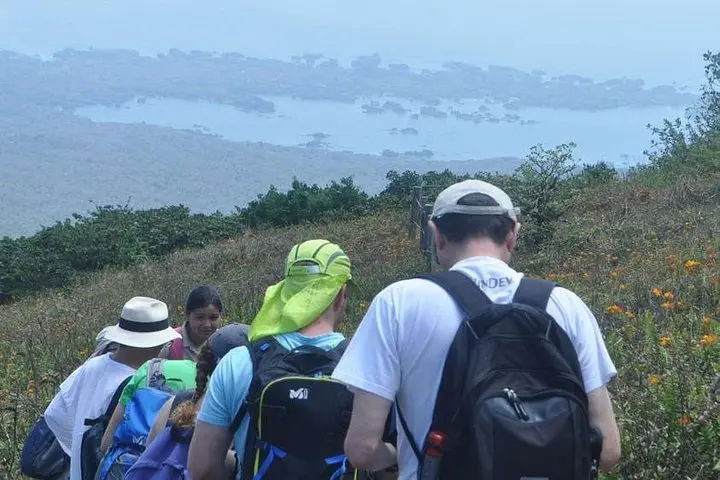
You step off the van into a cool wash of mist where the trees look wet to the bone and the air smells of moss and citrus. Mombacho’s ridges climb above Lake Nicaragua; small trails thread through a cloud forest that clings to the volcanic flanks, and every now and then the canopy opens to a broad view of Granada’s red roofs and the lake’s reflective sweep.
Verified experiences and guided adventures in the surrounding area.
Operated by Welcome to Nicaragua · Granada, Granada
You step off the van into a cool wash of mist where the trees look wet to the bone and the air smells of moss and citrus. Mombacho’s ridges climb above Lake Nicaragua; small trails thread through a cloud forest that clings to the volcanic flanks, and every now and then the canopy opens to a broad view of Granada’s red roofs and the lake’s reflective sweep.
Geology here is immediate — Mombacho is an eroded stratovolcano with four craters and slopes shaped by old lava flows and deep erosion. The cloud forest that blankets the craters supports plants and endemic species found on very few Pacific islands; culturally the mountain has long been a landmark for the city of Granada and a working landscape where coffee and cacao plantations taper into protected forest.
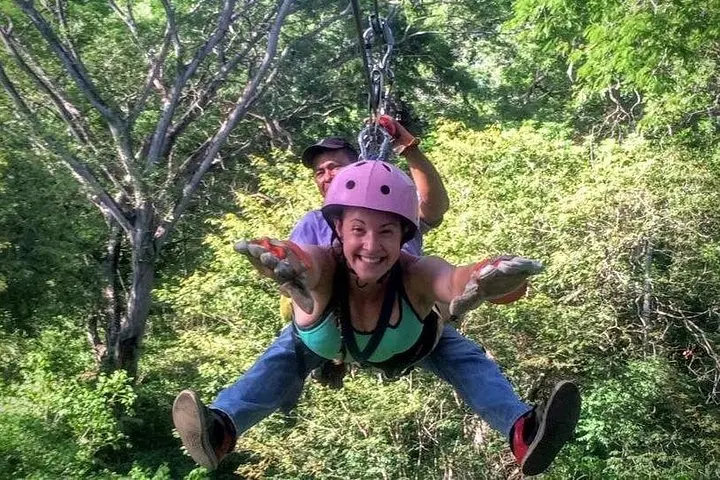
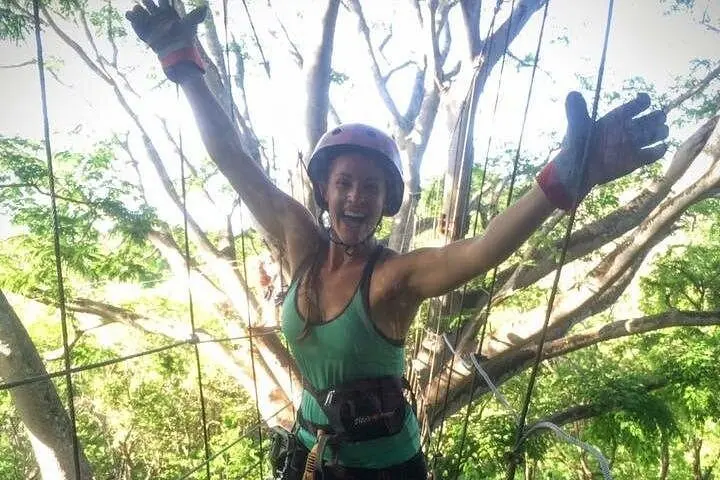
On the ground you’ll choose among short crater loops or longer ridge walks (trails named Crater, El Tigrillo and El Puma), watching for howler and white-faced monkeys, toucans and the quick flick of a reptile. The zipline course cuts across gullies and ridgelines — the full system runs more than two kilometres with hanging bridges and viewpoints that change your sense of scale.
Practicalities: expect damp, soft trail tread and slick roots — good mid-ankle boots and rain layers matter. Altitude tops near 1,300–1,350 m (about 4,300–4,430 ft) so mornings are cool; bring water and insect protection and plan for a half- to full-day outing. Guides lead the reserve entrance, route choices, and the zipline safety briefing, making the experience accessible for most hikers who can manage repeated short climbs.
The zipline course spans over 2 kilometres with 17 platforms, 11 cables and three hanging bridges, offering multiple runs across the canopy.
Yes — guided routes include shorter crater loops suitable for most fitness levels, though some sections are steep and uneven.
Entrance to the Mombacho Volcano Natural Reserve is managed and guided access is standard; this tour includes certified guides and reserve entrance fees.
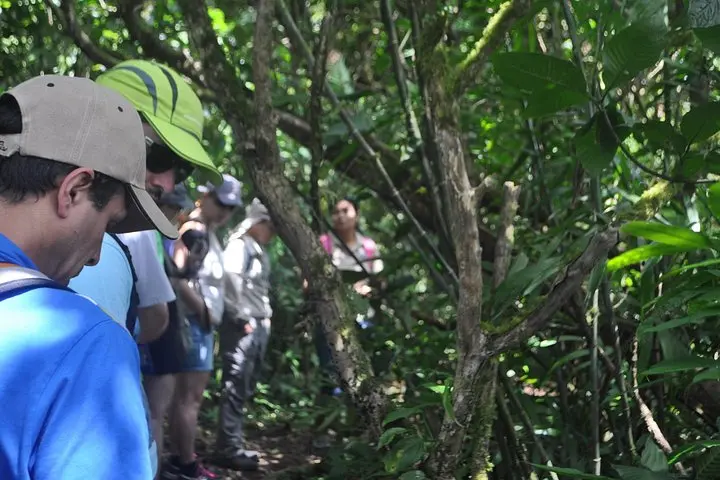
Expect to spot white‑faced and howler monkeys, a variety of forest birds like toucans and tanagers, and possibly small mammals and reptiles along the trails.
Welcome to Nicaragua operates guided outdoor trips and adventures with an emphasis on safety, stewardship, and memorable experiences.
You step off the van into a cool wash of mist where the trees look wet to the bone and the air smells of moss and citrus. Mombacho’s ridges climb above Lake Nicaragua; small trails thread through a cloud forest that clings to the volcanic flanks, and every now and then the canopy opens to a broad view of Granada’s red roofs and the lake’s reflective sweep.
You step off the van into a cool wash of mist where the trees look wet to the bone and the air smells of moss and citrus. Mombacho’s ridges climb above Lake Nicaragua; small trails thread through a cloud forest that clings to the volcanic flanks, and every now and then the canopy opens to a broad view of Granada’s red roofs and the lake’s reflective sweep.
Geology here is immediate — Mombacho is an eroded stratovolcano with four craters and slopes shaped by old lava flows and deep erosion. The cloud forest that blankets the craters supports plants and endemic species found on very few Pacific islands; culturally the mountain has long been a landmark for the city of Granada and a working landscape where coffee and cacao plantations taper into protected forest.
On the ground you’ll choose among short crater loops or longer ridge walks (trails named Crater, El Tigrillo and El Puma), watching for howler and white-faced monkeys, toucans and the quick flick of a reptile. The zipline course cuts across gullies and ridgelines — the full system runs more than two kilometres with hanging bridges and viewpoints that change your sense of scale.
Practicalities: expect damp, soft trail tread and slick roots — good mid-ankle boots and rain layers matter. Altitude tops near 1,300–1,350 m (about 4,300–4,430 ft) so mornings are cool; bring water and insect protection and plan for a half- to full-day outing. Guides lead the reserve entrance, route choices, and the zipline safety briefing, making the experience accessible for most hikers who can manage repeated short climbs.