THE ADVENTURE COLLECTIVE® · Independent discovery and booking for outdoor travel

A compact, private tasting that pairs a guided walk through the vineyard with a seated tasting of three estate wines and a visit to the family chapel. Ideal for travelers based in Santiago who want a focused introduction to Chilean varietals.
A compact, private tasting that pairs a guided walk through the vineyard with a seated tasting of three estate wines and a visit to the family chapel. Ideal for travelers based in Santiago who want a focused introduction to Chilean varietals.
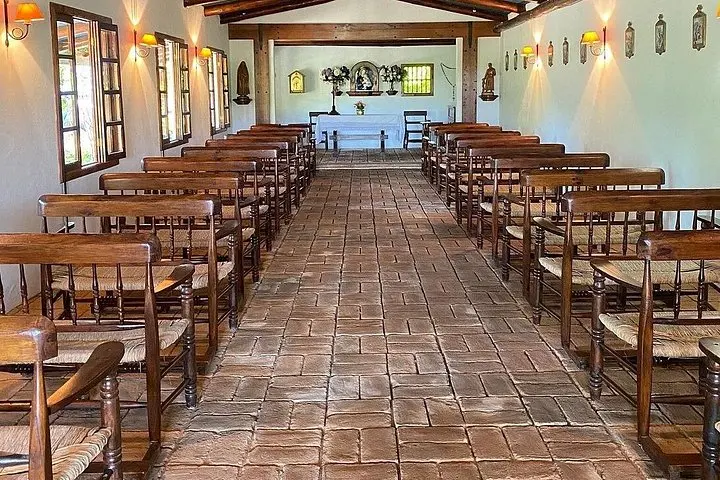
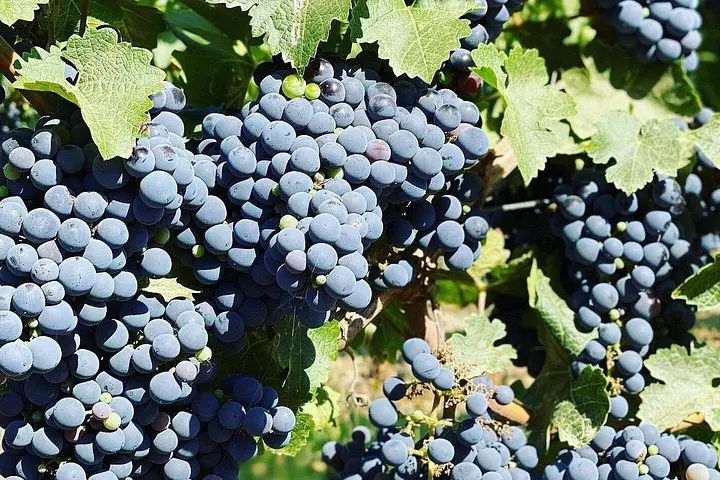
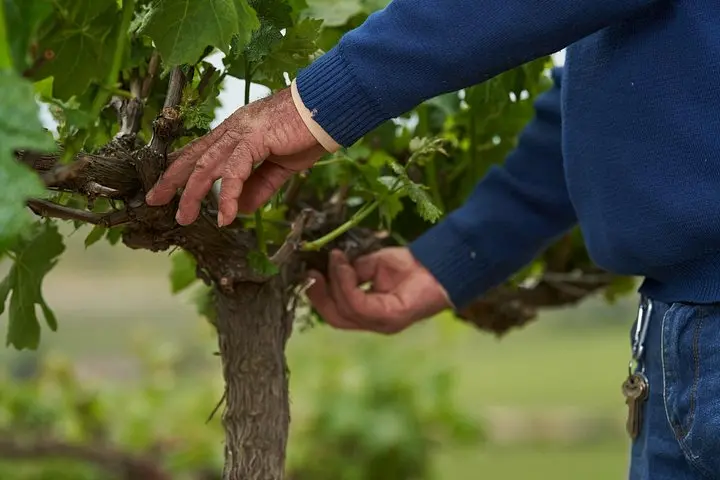
You arrive down a gravel lane and the air tastes faintly of earth and sun-warmed grapes. Rows of vines run like ordered handwriting across the slope; the guide leads you through leaves and fruit, asking you to cup a cluster and notice the difference in texture and aroma. The chapel’s whitewashed walls and quiet offer a counterpoint — a compact human history tucked into a working estate.
Verified experiences and guided adventures in the surrounding area.
Operated by Viña Encierra · Santiago, Santiago Metropolitan Region
You arrive down a gravel lane and the air tastes faintly of earth and sun-warmed grapes. Rows of vines run like ordered handwriting across the slope; the guide leads you through leaves and fruit, asking you to cup a cluster and notice the difference in texture and aroma. The chapel’s whitewashed walls and quiet offer a counterpoint — a compact human history tucked into a working estate.
Central Chile’s wine country sits in a Mediterranean climate shaped by Andean runoff and coastal breezes. Vineyards in the region grow on alluvial and colluvial soils that drain well, giving reds focused structure and rosés a crisp line. The family-run feel of many estates echoes the colonial-era introduction of viticulture by missionaries, later adapted by local families to modern varietals.
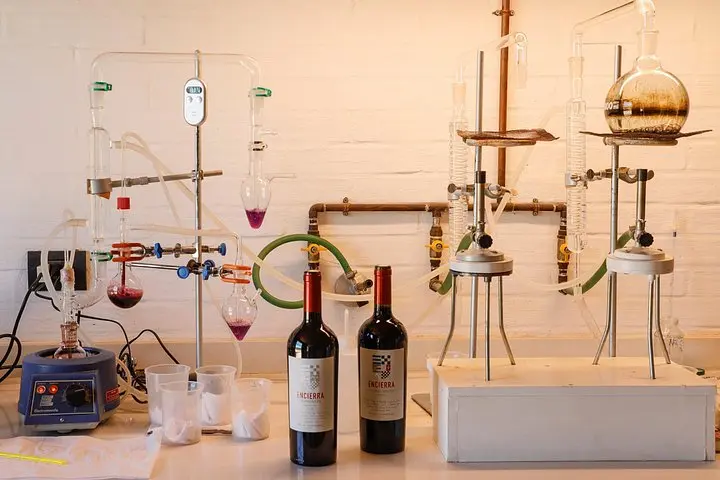
Expect a short guided tour of the vines, a visit to the small family chapel, and a seated tasting of three wines—typically a single-vineyard red, a rosé vintage, and an older bottling such as a 2019. The experience favors sensory learning: leaf and grape comparisons, basic tasting cues, and stories about local winemaking decisions.
Practical notes: bookings are private and usually last about an hour; transportation from Santiago is common, so plan for travel time. Bring photo ID or passport for tasting, hydrate before and after, and wear comfortable shoes for uneven surfaces. Most estates offer wheelchair access but check ahead if mobility assistance or translations are needed. Mid-morning or late afternoon visits avoid peak sun and allow cooler, more revealing tasting conditions.
The private experience runs about 45–60 minutes, combining a brief vineyard walk, a chapel visit, and a seated tasting of three wines.
Many estates provide wheelchair-accessible paths and facilities; this tour lists accessibility but confirm specific needs with the operator before booking.
Yes—tastings of the listed wines (for example Encierra Vineyard, Encierra Rosé 2022, and Puquillay 2019) are included in the experience.
Full refunds are typically available if you cancel at least 24 hours before the scheduled time; confirm the exact terms on your booking confirmation.
Viña Encierra operates guided outdoor trips and adventures with an emphasis on safety, stewardship, and memorable experiences.
You arrive down a gravel lane and the air tastes faintly of earth and sun-warmed grapes. Rows of vines run like ordered handwriting across the slope; the guide leads you through leaves and fruit, asking you to cup a cluster and notice the difference in texture and aroma. The chapel’s whitewashed walls and quiet offer a counterpoint — a compact human history tucked into a working estate.
You arrive down a gravel lane and the air tastes faintly of earth and sun-warmed grapes. Rows of vines run like ordered handwriting across the slope; the guide leads you through leaves and fruit, asking you to cup a cluster and notice the difference in texture and aroma. The chapel’s whitewashed walls and quiet offer a counterpoint — a compact human history tucked into a working estate.
Central Chile’s wine country sits in a Mediterranean climate shaped by Andean runoff and coastal breezes. Vineyards in the region grow on alluvial and colluvial soils that drain well, giving reds focused structure and rosés a crisp line. The family-run feel of many estates echoes the colonial-era introduction of viticulture by missionaries, later adapted by local families to modern varietals.
Expect a short guided tour of the vines, a visit to the small family chapel, and a seated tasting of three wines—typically a single-vineyard red, a rosé vintage, and an older bottling such as a 2019. The experience favors sensory learning: leaf and grape comparisons, basic tasting cues, and stories about local winemaking decisions.
Practical notes: bookings are private and usually last about an hour; transportation from Santiago is common, so plan for travel time. Bring photo ID or passport for tasting, hydrate before and after, and wear comfortable shoes for uneven surfaces. Most estates offer wheelchair access but check ahead if mobility assistance or translations are needed. Mid-morning or late afternoon visits avoid peak sun and allow cooler, more revealing tasting conditions.