THE ADVENTURE COLLECTIVE® · Independent discovery and booking for outdoor travel

Head offshore from Monte‑Carlo into the Pelagos Sanctuary on a 4–5 hour whale‑watching cruise. Scan for dolphins, turtles and the occasional sperm whale while following regulations intended to protect these animals.
Head offshore from Monte‑Carlo into the Pelagos Sanctuary on a 4–5 hour whale‑watching cruise. Scan for dolphins, turtles and the occasional sperm whale while following regulations intended to protect these animals.
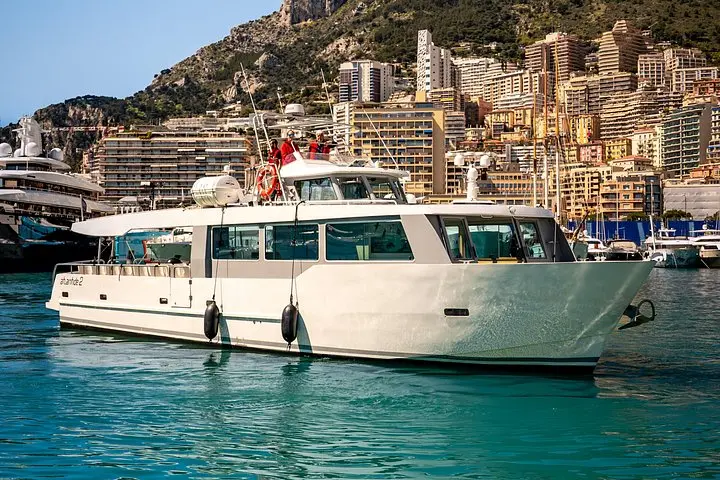
The boat slips from Port Hercules with a low engine hum and the Mediterranean opens, blue and deliberate, daring you farther from the shore. Sailors scan the horizon while nibbling baguettes and scanning for the telltale blows of cetaceans; within an hour the coastline thins into a distant rail of light and the Pelagos Sanctuary takes over, its deep blue folding into the boat’s wake.
Verified experiences and guided adventures in the surrounding area.
Operated by Monaco Riviera Navigation · Monte-Carlo, Monaco
The boat slips from Port Hercules with a low engine hum and the Mediterranean opens, blue and deliberate, daring you farther from the shore. Sailors scan the horizon while nibbling baguettes and scanning for the telltale blows of cetaceans; within an hour the coastline thins into a distant rail of light and the Pelagos Sanctuary takes over, its deep blue folding into the boat’s wake.
This stretch of the Ligurian Sea sits on a continental shelf that quickly drops to deep troughs where sperm whales, dolphins and sea turtles forage. The Pelagos Sanctuary — established by France, Italy and Monaco in 1999 — protects migratory routes and feeding grounds. Monaco’s maritime culture dates to its fishing and stevedore past, and modern tours follow strict approach rules to minimize disturbance.
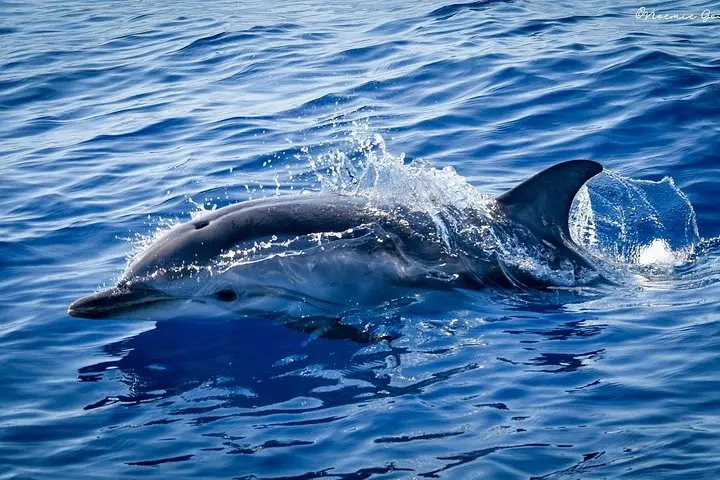
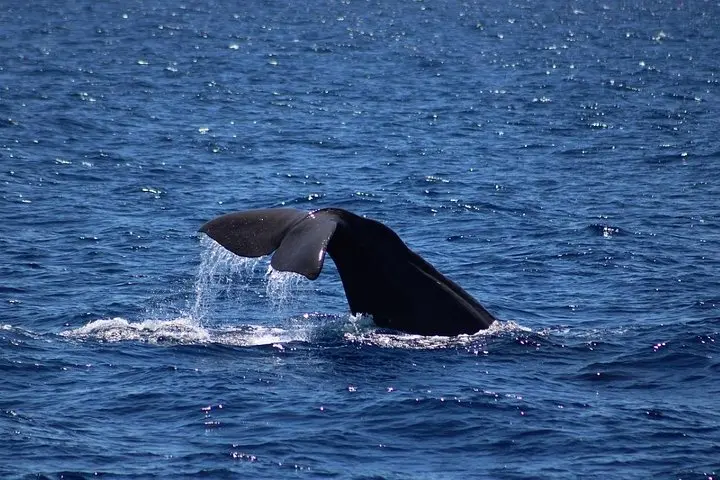
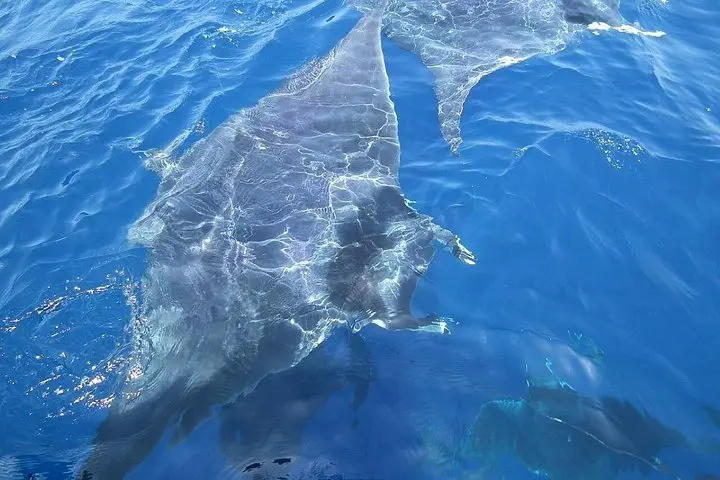
Expect focused, patient observation rather than guaranteed spectacle: dolphins often bow-ride the swell, common and bottlenose species leap and rotate, while the rarer sperm whale surfaces with a deliberate exhale. The boat holds up to 70 guests, with on-board restrooms and accessible boarding. Guides pair visual watches with binoculars and, sometimes, hydrophones to pick up calls beneath the surface.
Practical guidance: arrive warmed by layers and sun protection, bring binoculars and seasickness remedies, and keep camera settings ready for sudden action. Respect distance rules and follow crew instructions to reduce stress on animals. Trips run about 4–5 hours; plan transportation back into Monte‑Carlo and expect marine weather to change — the ocean here has the last word.
The excursion runs about 4–5 hours (approximately 270 minutes) from embarkation to return to Port Hercules.
Common sightings include short‑beaked common dolphins and bottlenose dolphins; sperm whales and loggerhead turtles are less frequent but possible in deeper waters.
Yes; the tour lists wheelchair and stroller accessibility, on‑board restrooms, and infant seats available if requested.
No; sightings depend on animal movements and sea conditions—operators follow best practices to maximize encounters while prioritizing animal welfare.
Monaco Riviera Navigation operates guided outdoor trips and adventures with an emphasis on safety, stewardship, and memorable experiences.
The boat slips from Port Hercules with a low engine hum and the Mediterranean opens, blue and deliberate, daring you farther from the shore. Sailors scan the horizon while nibbling baguettes and scanning for the telltale blows of cetaceans; within an hour the coastline thins into a distant rail of light and the Pelagos Sanctuary takes over, its deep blue folding into the boat’s wake.
The boat slips from Port Hercules with a low engine hum and the Mediterranean opens, blue and deliberate, daring you farther from the shore. Sailors scan the horizon while nibbling baguettes and scanning for the telltale blows of cetaceans; within an hour the coastline thins into a distant rail of light and the Pelagos Sanctuary takes over, its deep blue folding into the boat’s wake.
This stretch of the Ligurian Sea sits on a continental shelf that quickly drops to deep troughs where sperm whales, dolphins and sea turtles forage. The Pelagos Sanctuary — established by France, Italy and Monaco in 1999 — protects migratory routes and feeding grounds. Monaco’s maritime culture dates to its fishing and stevedore past, and modern tours follow strict approach rules to minimize disturbance.
Expect focused, patient observation rather than guaranteed spectacle: dolphins often bow-ride the swell, common and bottlenose species leap and rotate, while the rarer sperm whale surfaces with a deliberate exhale. The boat holds up to 70 guests, with on-board restrooms and accessible boarding. Guides pair visual watches with binoculars and, sometimes, hydrophones to pick up calls beneath the surface.
Practical guidance: arrive warmed by layers and sun protection, bring binoculars and seasickness remedies, and keep camera settings ready for sudden action. Respect distance rules and follow crew instructions to reduce stress on animals. Trips run about 4–5 hours; plan transportation back into Monte‑Carlo and expect marine weather to change — the ocean here has the last word.