THE ADVENTURE COLLECTIVE® · Independent discovery and booking for outdoor travel

A full-day highland hike to El Rosario takes you into an oyamel forest where millions of monarchs cluster each winter. This practical guide covers what to expect on the trail, seasonal timing, and how to prepare for the altitude and terrain.
A full-day highland hike to El Rosario takes you into an oyamel forest where millions of monarchs cluster each winter. This practical guide covers what to expect on the trail, seasonal timing, and how to prepare for the altitude and terrain.
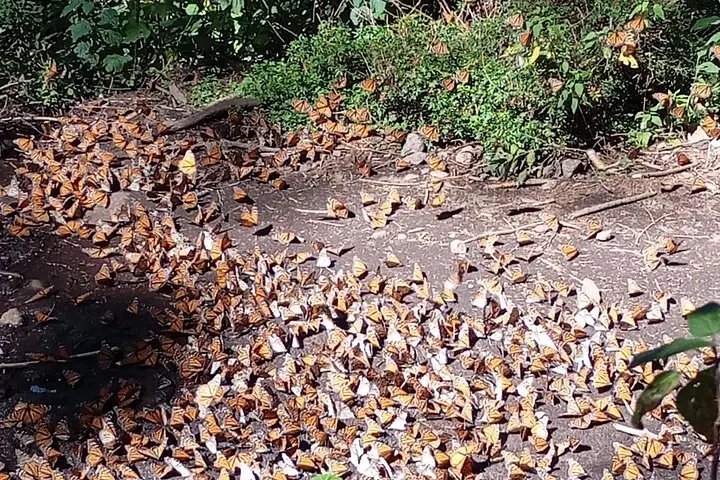
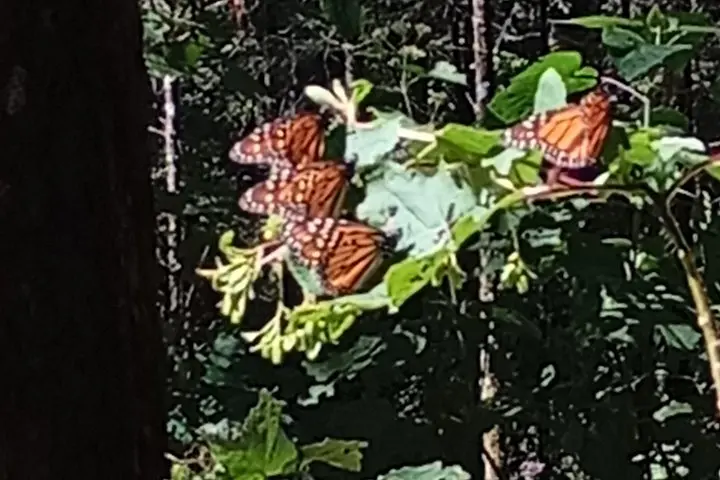
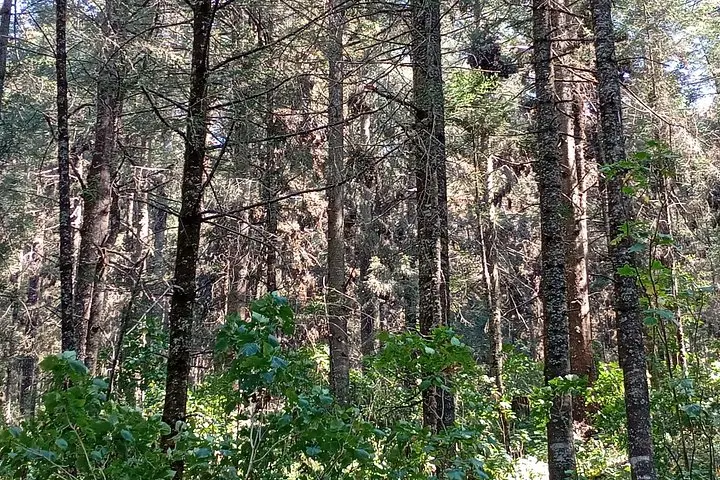
A highland wind threads through oyamel firs as the trail climbs from 2,900 to 3,300 meters; sunlight filters in patches, and suddenly the trees are alive—black-and-orange wings clinging to branches, a collective patience that unfolds in stillness. At El Rosario, the monarchs cluster in dense curtains that sometimes shift as a single breathing creature, and the hike to reach them feels like moving into the butterflies' chosen weather.
Verified experiences and guided adventures in the surrounding area.
Operated by Carlos San Roman · Angangueo, Michoacán
A highland wind threads through oyamel firs as the trail climbs from 2,900 to 3,300 meters; sunlight filters in patches, and suddenly the trees are alive—black-and-orange wings clinging to branches, a collective patience that unfolds in stillness. At El Rosario, the monarchs cluster in dense curtains that sometimes shift as a single breathing creature, and the hike to reach them feels like moving into the butterflies' chosen weather.
The Monarch Butterfly Biosphere Reserve sits on volcanic slopes where glacial and erosional forces shaped steep ridgelines and deep valleys. The oyamel (Abies religiosa) forest, a cool microclimate created by elevation and humidity, provides the winter refuge monarchs have used for centuries. Nearby mountain towns such as Angangueo grew from mining and timber economies and now orient to seasonal conservation and eco-tourism.
Expect steep, sometimes uneven trails across packed volcanic soil and needle-carpeted forest. The migration runs roughly November through March; peak visibility depends on temperature and sun—cold, overcast days will keep clusters tight and still, while warm afternoons trigger mass flights.
Practical guidance: acclimatize to altitude before the full-day trek, bring waterproof layers and good traction footwear, and plan for a 10-hour round trip when combined with travel time from Mexico City. Local guides manage entry and trail routing to protect colonies; follow their instructions and keep noise low to avoid disturbing the insects. Water, sun protection, and a lightweight daypack make the experience comfortable. Visiting El Rosario is less about a summit and more about patience and timing—arrive early, move slowly, and let the forest and its migrants reveal themselves.
The core season runs November through March; peak viewing varies with weather—sunny, cool days often prompt dramatic flights while colder days produce dense clusters.
Trails rise from about 2,900 to 3,300 meters and include steep sections; it’s physically demanding and recommended for those in good shape and acclimatized to altitude.
Yes—local guides manage access, collect entrance fees, and enforce quiet viewing and no-flash rules to protect the butterflies and habitat.
It depends on fitness and health; the terrain and altitude can be strenuous—consult guides and consider shorter viewpoints or horseback options if available.
Carlos San Roman operates guided outdoor trips and adventures with an emphasis on safety, stewardship, and memorable experiences.
A highland wind threads through oyamel firs as the trail climbs from 2,900 to 3,300 meters; sunlight filters in patches, and suddenly the trees are alive—black-and-orange wings clinging to branches, a collective patience that unfolds in stillness. At El Rosario, the monarchs cluster in dense curtains that sometimes shift as a single breathing creature, and the hike to reach them feels like moving into the butterflies' chosen weather.
A highland wind threads through oyamel firs as the trail climbs from 2,900 to 3,300 meters; sunlight filters in patches, and suddenly the trees are alive—black-and-orange wings clinging to branches, a collective patience that unfolds in stillness. At El Rosario, the monarchs cluster in dense curtains that sometimes shift as a single breathing creature, and the hike to reach them feels like moving into the butterflies' chosen weather.
The Monarch Butterfly Biosphere Reserve sits on volcanic slopes where glacial and erosional forces shaped steep ridgelines and deep valleys. The oyamel (Abies religiosa) forest, a cool microclimate created by elevation and humidity, provides the winter refuge monarchs have used for centuries. Nearby mountain towns such as Angangueo grew from mining and timber economies and now orient to seasonal conservation and eco-tourism.
Expect steep, sometimes uneven trails across packed volcanic soil and needle-carpeted forest. The migration runs roughly November through March; peak visibility depends on temperature and sun—cold, overcast days will keep clusters tight and still, while warm afternoons trigger mass flights.
Practical guidance: acclimatize to altitude before the full-day trek, bring waterproof layers and good traction footwear, and plan for a 10-hour round trip when combined with travel time from Mexico City. Local guides manage entry and trail routing to protect colonies; follow their instructions and keep noise low to avoid disturbing the insects. Water, sun protection, and a lightweight daypack make the experience comfortable. Visiting El Rosario is less about a summit and more about patience and timing—arrive early, move slowly, and let the forest and its migrants reveal themselves.