THE ADVENTURE COLLECTIVE® · Independent discovery and booking for outdoor travel

See millions of monarchs cluster in high-elevation oyamel firs on a long but rewarding day trip from Mexico City. Combine a forest walk through Piedra Herrada with Velo de Novia waterfall and a stroll in Valle de Bravo.
See millions of monarchs cluster in high-elevation oyamel firs on a long but rewarding day trip from Mexico City. Combine a forest walk through Piedra Herrada with Velo de Novia waterfall and a stroll in Valle de Bravo.
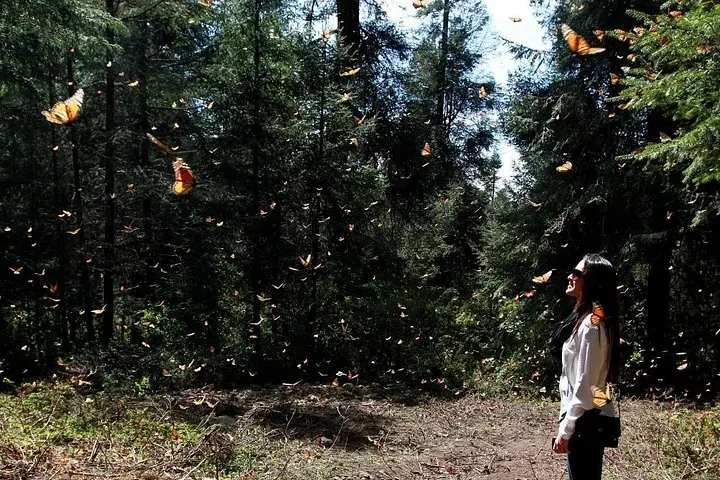
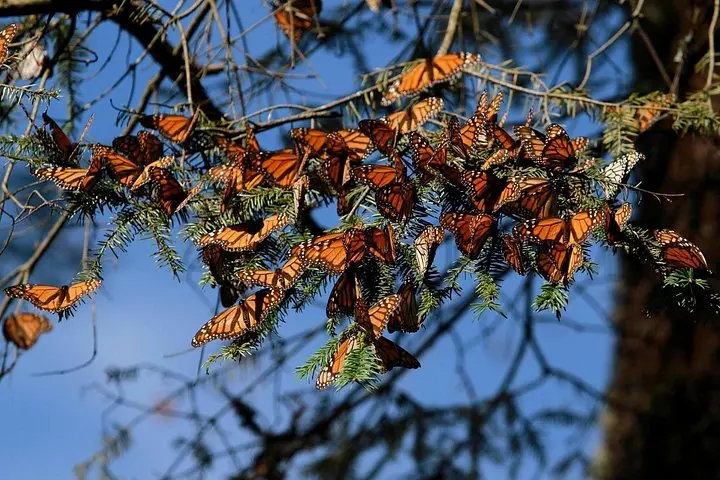
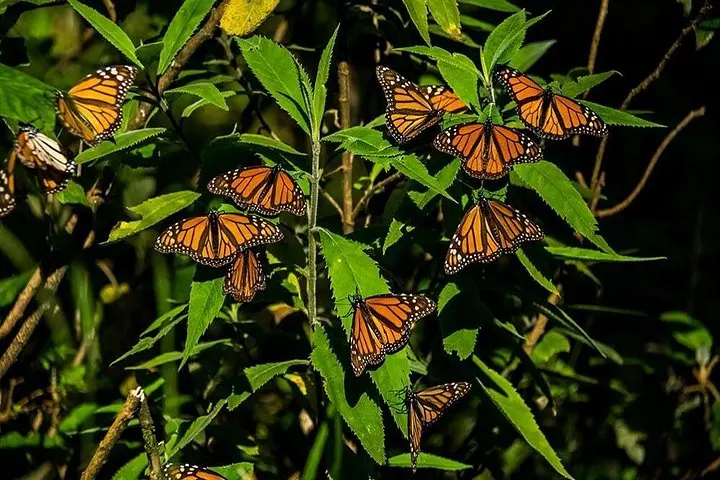
Morning light in Mexico City gives way to an ascending hum as a minibus threads west toward the Sierra. By late morning the highway falls away and the air sharpens — the forest begins to smell of damp earth and resin. At Piedra Herrada, the oyamel firs lean close and the monarchs hang thick under branches, their orange wings like weathered flags that refuse to stop moving.
Verified experiences and guided adventures in the surrounding area.
Operated by Mexitours · Valle de Bravo, State of Mexico
Morning light in Mexico City gives way to an ascending hum as a minibus threads west toward the Sierra. By late morning the highway falls away and the air sharpens — the forest begins to smell of damp earth and resin. At Piedra Herrada, the oyamel firs lean close and the monarchs hang thick under branches, their orange wings like weathered flags that refuse to stop moving.
The monarch migration is a continental ritual: millions travel from breeding grounds in Canada and the northern U.S. to overwinter in high-elevation fir forests of central Mexico. Geologically the sanctuaries sit on the Trans-Mexican Volcanic Belt, where volcanic soils and cool, humid microclimates support the oyamel (Abies religiosa) that monarchs need. Valle de Bravo itself traces modern change to the 1947 dam on the Avándaro River, which created the lake and shifted local economies toward recreation and tourism.
Culturally, the region is shaped by small Mazahua and Otomí communities whose rules govern sanctuary conduct; silence and light steps matter as much as keeping trails clean. The itinerary usually pairs the sanctuary walk with a stop at Velo de Novia waterfall and a short stroll through Valle de Bravo’s colonial streets and lakeside viewpoints.
Practical guidance: this is a full-day trip (early pickup in Mexico City, return late evening). Expect unpaved forest trails and short steep sections — bring broken-in hiking shoes, layered clothing for cold mornings, cash for small purchases, and extra camera batteries. Follow guide instructions, respect no-drone/no-loud-sound rules, and time your visit between November and February for peak concentrations of butterflies.
Peak viewing is typically from late November through February, when overwintering colonies are largest and most concentrated.
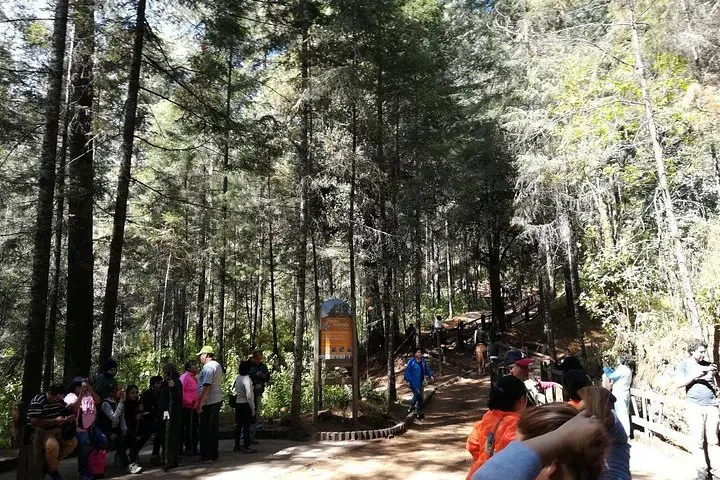
Expect a 30–60 minute guided walk on uneven forest trails with short steep sections; guides keep pace manageable for most visitors.
Most on-site services require cash; bring small bills for parking, local fees, or souvenirs.
Children can usually join if mobile; the operator advises that pregnant travelers and those with cardiovascular issues check with a doctor first and consider the cold and altitude.
Mexitours operates guided outdoor trips and adventures with an emphasis on safety, stewardship, and memorable experiences.
Morning light in Mexico City gives way to an ascending hum as a minibus threads west toward the Sierra. By late morning the highway falls away and the air sharpens — the forest begins to smell of damp earth and resin. At Piedra Herrada, the oyamel firs lean close and the monarchs hang thick under branches, their orange wings like weathered flags that refuse to stop moving.
Morning light in Mexico City gives way to an ascending hum as a minibus threads west toward the Sierra. By late morning the highway falls away and the air sharpens — the forest begins to smell of damp earth and resin. At Piedra Herrada, the oyamel firs lean close and the monarchs hang thick under branches, their orange wings like weathered flags that refuse to stop moving.
The monarch migration is a continental ritual: millions travel from breeding grounds in Canada and the northern U.S. to overwinter in high-elevation fir forests of central Mexico. Geologically the sanctuaries sit on the Trans-Mexican Volcanic Belt, where volcanic soils and cool, humid microclimates support the oyamel (Abies religiosa) that monarchs need. Valle de Bravo itself traces modern change to the 1947 dam on the Avándaro River, which created the lake and shifted local economies toward recreation and tourism.
Culturally, the region is shaped by small Mazahua and Otomí communities whose rules govern sanctuary conduct; silence and light steps matter as much as keeping trails clean. The itinerary usually pairs the sanctuary walk with a stop at Velo de Novia waterfall and a short stroll through Valle de Bravo’s colonial streets and lakeside viewpoints.
Practical guidance: this is a full-day trip (early pickup in Mexico City, return late evening). Expect unpaved forest trails and short steep sections — bring broken-in hiking shoes, layered clothing for cold mornings, cash for small purchases, and extra camera batteries. Follow guide instructions, respect no-drone/no-loud-sound rules, and time your visit between November and February for peak concentrations of butterflies.