THE ADVENTURE COLLECTIVE® · Independent discovery and booking for outdoor travel

Step beyond the falls and into rural life: the Monde Village Tour offers a two-hour, guided introduction to traditional farming, home life, and craft practices near Victoria Falls. Learn hands-on techniques and support local livelihoods while respecting customs.
Step beyond the falls and into rural life: the Monde Village Tour offers a two-hour, guided introduction to traditional farming, home life, and craft practices near Victoria Falls. Learn hands-on techniques and support local livelihoods while respecting customs.
A dusty track peels away from the tarmac and the air changes—thinner, earthier, threaded with smoke from wood fires. In about 20 minutes from Victoria Falls town, the Monde Village tour deposits visitors at a cluster of homes where goats meander and children practice songs at the edge of the field.
Verified experiences and guided adventures in the surrounding area.
Operated by African Fairytale Tours & Safaris · Victoria Falls, Matabeleland North
A dusty track peels away from the tarmac and the air changes—thinner, earthier, threaded with smoke from wood fires. In about 20 minutes from Victoria Falls town, the Monde Village tour deposits visitors at a cluster of homes where goats meander and children practice songs at the edge of the field.
The guide explains daily rhythms: seed selection for the next planting season, mortar-and-pestle techniques for grinding maize, and the roles elders play in passing language and lore. This region is influenced by Tonga-speaking communities whose farming practices and communal homesteads evolved with the Zambezi floodplain and seasonal rains.
Geology here is simple—red alluvial soils and lateritic patches shaped by riverine cycles rather than dramatic rock formations—but the human landscape is layered with craft, oral history, and adaptive techniques for dry-season survival.
Visitors should expect an interactive, low-impact experience: enter homes with permission, observe food preparation, and try basic tasks under local supervision. The visit supports community income through guided fees and optional craft purchases.
Practical guidance: allow two hours, bring cash (small denominations), and wear closed-toe shoes for walking between compounds. Hydrate before you arrive and carry sun protection—shade is limited between houses.
Timing matters: early morning visits capture more daily activity and cooler temperatures; late afternoons are quieter. Photography is welcome but ask before shooting portraits; a simple greeting in a local language—like a respectful smile and “makadii” where appropriate—goes a long way toward genuine exchange.
The standard tour is approximately two hours, including transport time from Victoria Falls and guided activities within the village.
The operator lists wheelchair-accessible transportation, but village terrain includes uneven paths; discuss mobility needs at booking to confirm access arrangements.
Yes—families and children are welcome; activities are gentle, but keep young children supervised around livestock and open fires.
Tipping is appreciated; small amounts in local currency or US dollars passed to your guide or directly to artisans are common and support the community.
African Fairytale Tours & Safaris operates guided outdoor trips and adventures with an emphasis on safety, stewardship, and memorable experiences.
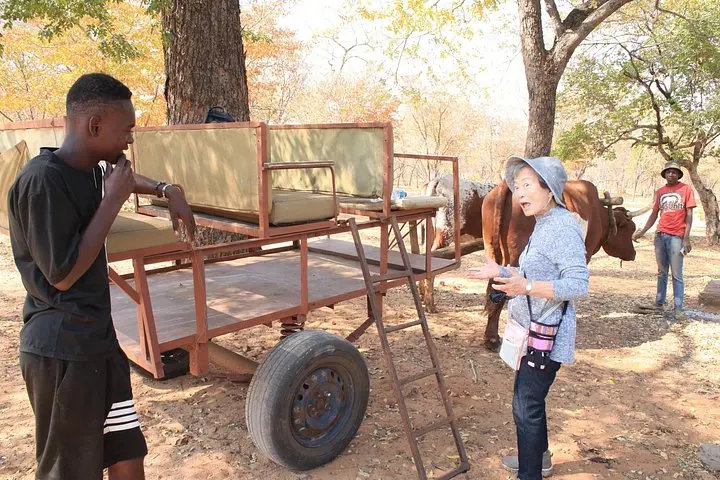
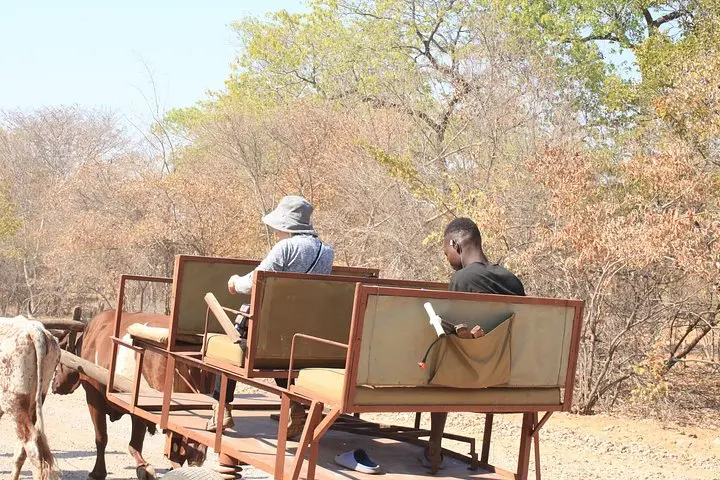
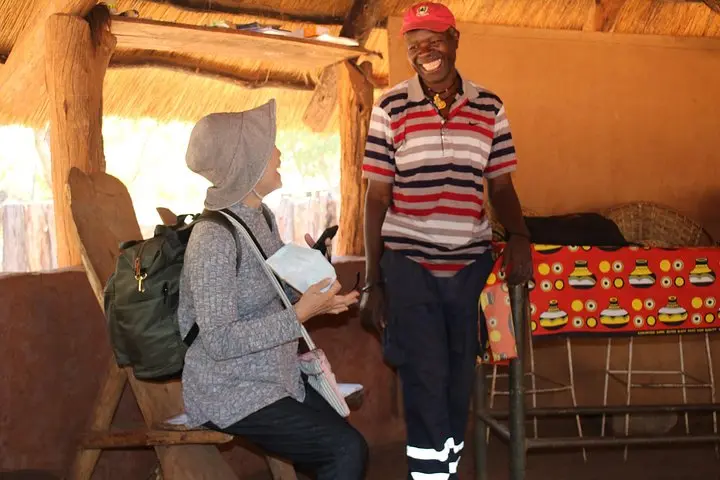
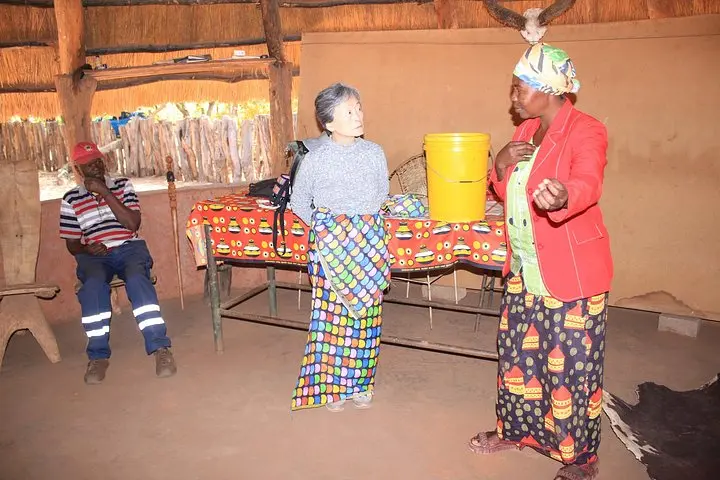
A dusty track peels away from the tarmac and the air changes—thinner, earthier, threaded with smoke from wood fires. In about 20 minutes from Victoria Falls town, the Monde Village tour deposits visitors at a cluster of homes where goats meander and children practice songs at the edge of the field.
A dusty track peels away from the tarmac and the air changes—thinner, earthier, threaded with smoke from wood fires. In about 20 minutes from Victoria Falls town, the Monde Village tour deposits visitors at a cluster of homes where goats meander and children practice songs at the edge of the field.
The guide explains daily rhythms: seed selection for the next planting season, mortar-and-pestle techniques for grinding maize, and the roles elders play in passing language and lore. This region is influenced by Tonga-speaking communities whose farming practices and communal homesteads evolved with the Zambezi floodplain and seasonal rains.
Geology here is simple—red alluvial soils and lateritic patches shaped by riverine cycles rather than dramatic rock formations—but the human landscape is layered with craft, oral history, and adaptive techniques for dry-season survival.
Visitors should expect an interactive, low-impact experience: enter homes with permission, observe food preparation, and try basic tasks under local supervision. The visit supports community income through guided fees and optional craft purchases.
Practical guidance: allow two hours, bring cash (small denominations), and wear closed-toe shoes for walking between compounds. Hydrate before you arrive and carry sun protection—shade is limited between houses.
Timing matters: early morning visits capture more daily activity and cooler temperatures; late afternoons are quieter. Photography is welcome but ask before shooting portraits; a simple greeting in a local language—like a respectful smile and “makadii” where appropriate—goes a long way toward genuine exchange.