THE ADVENTURE COLLECTIVE® · Independent discovery and booking for outdoor travel

Spend a day between two Mongol worlds: an immersive nomadic cultural programme in a tourist ger camp, then a guided search for the Takhi—the last wild horse—across Khustai’s open steppe. This private full-day tour blends hands-on tradition with wildlife viewing and on-the-ground conservation stories.
Spend a day between two Mongol worlds: an immersive nomadic cultural programme in a tourist ger camp, then a guided search for the Takhi—the last wild horse—across Khustai’s open steppe. This private full-day tour blends hands-on tradition with wildlife viewing and on-the-ground conservation stories.
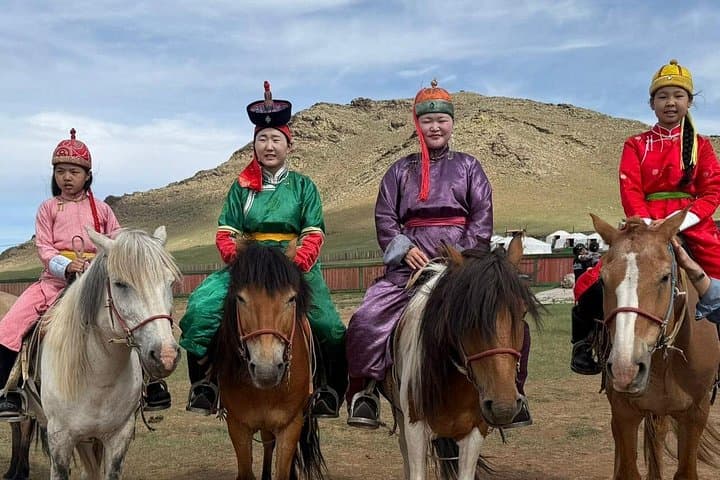
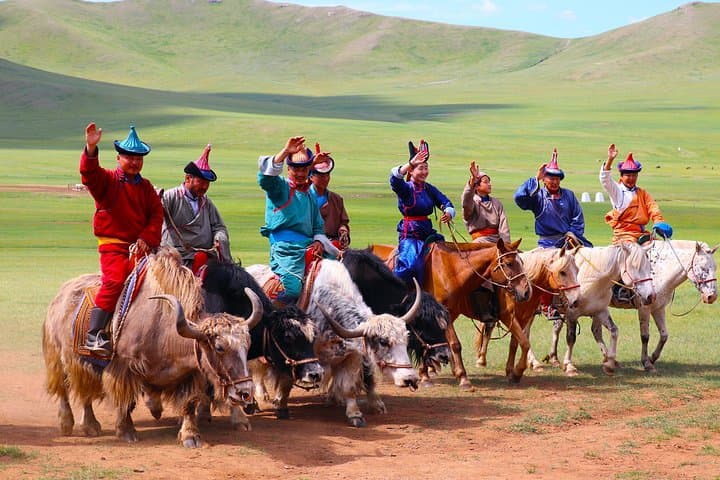
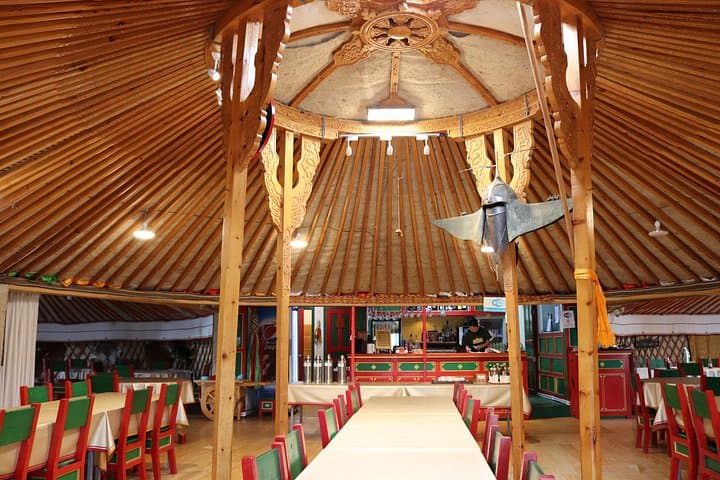
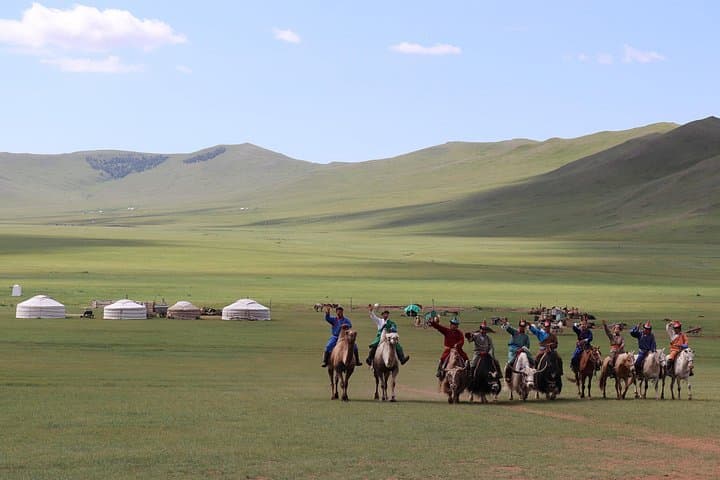
A cold wind runs fingers through the grass as the van climbs out of Ulaanbaatar and the city’s low-slung concrete gives way to an expanding steppe. By midmorning you’re at a tourist camp where ger roofs send out thin smoke and a small circle of musicians tune morin khuur strings. The cultural program is brisk and tactile: a tasting of dairy-based fare, a demonstration of felt-making, the sudden, resonant wail of throat singing, and a chance to try a painted bow and arrow under the patient eye of a local instructor.
Verified experiences and guided adventures in the surrounding area.
Operated by Meet Mongolia Join Tours LLC · Ulaanbaatar, Töv Province
A cold wind runs fingers through the grass as the van climbs out of Ulaanbaatar and the city’s low-slung concrete gives way to an expanding steppe. By midmorning you’re at a tourist camp where ger roofs send out thin smoke and a small circle of musicians tune morin khuur strings. The cultural program is brisk and tactile: a tasting of dairy-based fare, a demonstration of felt-making, the sudden, resonant wail of throat singing, and a chance to try a painted bow and arrow under the patient eye of a local instructor.
The day pivots after lunch toward Khustai Nuruu National Park, roughly 110 kilometers southwest of the capital. Khustai’s plain is honest and unadorned—rolling grasslands punctuated by low hills and scattered stone—where the Takhi, Przewalski’s horses, move with a deliberate economy. These horses were extinct in the wild until a reintroduction program launched in 1992; today the population in Khustai tops 315 individuals. Seeing a herd lift its heads in unison is to feel history inhale: decades of conservation work giving these animals back a future.
Geology here is simple and readable: wind-sculpted loess, basalt outcrops, and ancient river terraces that mark the park’s drainage. Human history overlays that: nomadic herding cultures have rotated stock across these plains for centuries, and the Mongol Nomadic Cultural Heritage Center frames those practices for visitors—showing how mobility, animal husbandry, and seasonal shelter shape daily life.
Practicalities are straightforward. The tour is a private, full-day excursion (about 8 hours including transit) with hotel pickup in Ulaanbaatar and returns the same evening. Expect light walking—mostly flat grassland viewing—with brief stops for photographs and interpretive talks. Bring binoculars for wildlife viewing; sightings aren’t guaranteed but guides know where Takhi and red deer tend to graze.
Timing matters: mornings and late afternoon are cooler and increase the chance of active wildlife; mid-day can be dusty and bright. Footwear should be sturdy but not mountaineering-grade; layers handle rapidly changing steppe temperatures. The tour includes lunch, bottled water, and guiding in English, and contributions from entrance fees support the park’s buffer-zone conservation projects.
Local etiquette is direct: accept dairy offerings politely, ask before photographing people close-up, and follow your guide’s lead near wildlife. For photographers, quiet patience wins—the most memorable frames come when animals forget the human presence.
This is a day that juxtaposes two Mongol realities: an enduring pastoral culture and a measured conservation success. It’s not a sprint through scenery—it’s an invitation to slow down, stand on the grass, and watch a reclaimed species move across land that remembers both hooves and human footsteps.
The park lies about 110 km southwest of Ulaanbaatar; expect roughly 1.5–2 hours each way depending on traffic and road conditions.
Sightings are common but not guaranteed; guides use local knowledge and vehicle access to reach likely grazing areas and maximize viewing chances.
Yes—this private tour accommodates all ages with minimal walking; infant seats are available on request.
Guiding is offered in English and other languages on request; confirm at booking for specific language needs.
Lunch at the tourist camp restaurant and bottled water are included in the tour price.
A portion of park fees and buffer-zone contributions from tourism are allocated to Khustai’s conservation programs and local community initiatives.
Meet Mongolia Join Tours LLC operates guided outdoor trips and adventures with an emphasis on safety, stewardship, and memorable experiences.
A cold wind runs fingers through the grass as the van climbs out of Ulaanbaatar and the city’s low-slung concrete gives way to an expanding steppe. By midmorning you’re at a tourist camp where ger roofs send out thin smoke and a small circle of musicians tune morin khuur strings. The cultural program is brisk and tactile: a tasting of dairy-based fare, a demonstration of felt-making, the sudden, resonant wail of throat singing, and a chance to try a painted bow and arrow under the patient eye of a local instructor.
A cold wind runs fingers through the grass as the van climbs out of Ulaanbaatar and the city’s low-slung concrete gives way to an expanding steppe. By midmorning you’re at a tourist camp where ger roofs send out thin smoke and a small circle of musicians tune morin khuur strings. The cultural program is brisk and tactile: a tasting of dairy-based fare, a demonstration of felt-making, the sudden, resonant wail of throat singing, and a chance to try a painted bow and arrow under the patient eye of a local instructor.
The day pivots after lunch toward Khustai Nuruu National Park, roughly 110 kilometers southwest of the capital. Khustai’s plain is honest and unadorned—rolling grasslands punctuated by low hills and scattered stone—where the Takhi, Przewalski’s horses, move with a deliberate economy. These horses were extinct in the wild until a reintroduction program launched in 1992; today the population in Khustai tops 315 individuals. Seeing a herd lift its heads in unison is to feel history inhale: decades of conservation work giving these animals back a future.
Geology here is simple and readable: wind-sculpted loess, basalt outcrops, and ancient river terraces that mark the park’s drainage. Human history overlays that: nomadic herding cultures have rotated stock across these plains for centuries, and the Mongol Nomadic Cultural Heritage Center frames those practices for visitors—showing how mobility, animal husbandry, and seasonal shelter shape daily life.
Practicalities are straightforward. The tour is a private, full-day excursion (about 8 hours including transit) with hotel pickup in Ulaanbaatar and returns the same evening. Expect light walking—mostly flat grassland viewing—with brief stops for photographs and interpretive talks. Bring binoculars for wildlife viewing; sightings aren’t guaranteed but guides know where Takhi and red deer tend to graze.
Timing matters: mornings and late afternoon are cooler and increase the chance of active wildlife; mid-day can be dusty and bright. Footwear should be sturdy but not mountaineering-grade; layers handle rapidly changing steppe temperatures. The tour includes lunch, bottled water, and guiding in English, and contributions from entrance fees support the park’s buffer-zone conservation projects.
Local etiquette is direct: accept dairy offerings politely, ask before photographing people close-up, and follow your guide’s lead near wildlife. For photographers, quiet patience wins—the most memorable frames come when animals forget the human presence.
This is a day that juxtaposes two Mongol realities: an enduring pastoral culture and a measured conservation success. It’s not a sprint through scenery—it’s an invitation to slow down, stand on the grass, and watch a reclaimed species move across land that remembers both hooves and human footsteps.