THE ADVENTURE COLLECTIVE® · Independent discovery and booking for outdoor travel

Glide through Quepos mangroves on a two-hour boat circuit past estuaries, monkeys, sloths and crocodiles. This accessible wildlife cruise combines close viewing with interpretive local knowledge — ideal for nature lovers and photographers.
Glide through Quepos mangroves on a two-hour boat circuit past estuaries, monkeys, sloths and crocodiles. This accessible wildlife cruise combines close viewing with interpretive local knowledge — ideal for nature lovers and photographers.
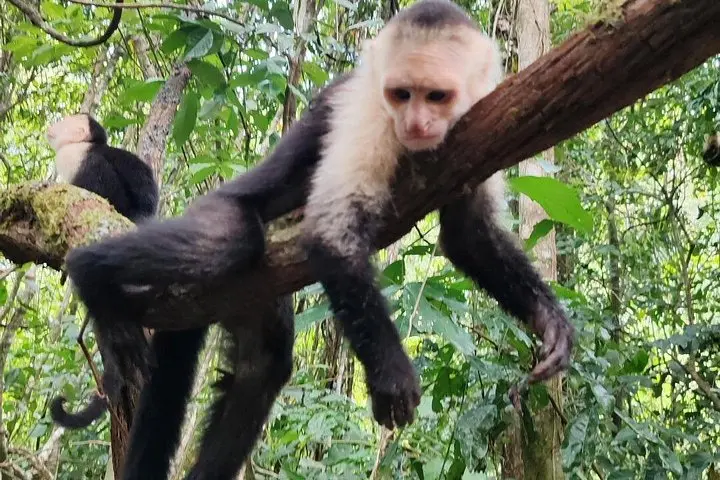
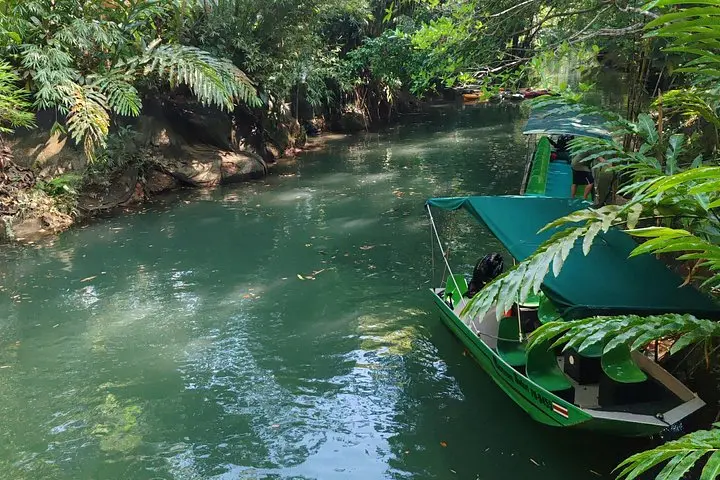
The boat slips out of a small Quepos channel and the world narrows to trunks and roots, the mangrove arching overhead as if guiding you down a green tunnel. In two hours you’ll complete a roughly 3-mile (5 km) circuit through slow-moving rivers, estuaries and tidal mangrove forest where white-faced capuchins chatter, sloths hang motionless and kingfishers dart to the water.
Verified experiences and guided adventures in the surrounding area.
Operated by Diego Nature Tours · Quepos, Puntarenas
The boat slips out of a small Quepos channel and the world narrows to trunks and roots, the mangrove arching overhead as if guiding you down a green tunnel. In two hours you’ll complete a roughly 3-mile (5 km) circuit through slow-moving rivers, estuaries and tidal mangrove forest where white-faced capuchins chatter, sloths hang motionless and kingfishers dart to the water.
Geologically, this coast is recent — Pacific tides, river sediment and volcanic soils build the estuary each season — and the mangroves act as the frontline: nursery for fish, buffer for storms. Culturally the Quepos–Manuel Antonio area grew around fishing and small-scale agriculture; today eco-tourism supports conservation efforts and local guides who read the water like an open book.
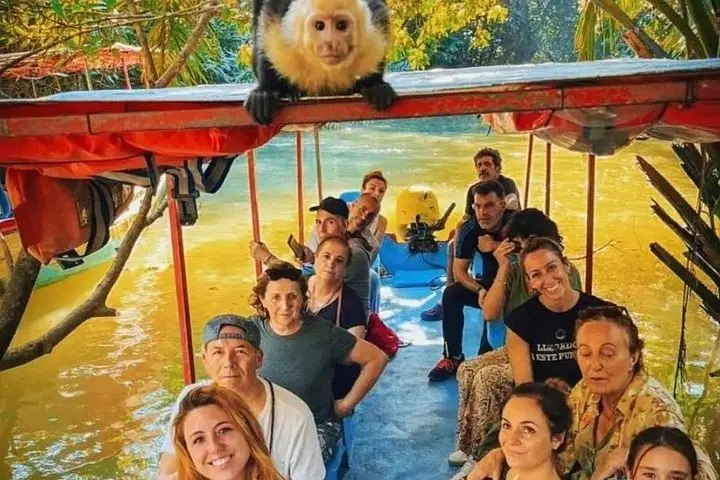
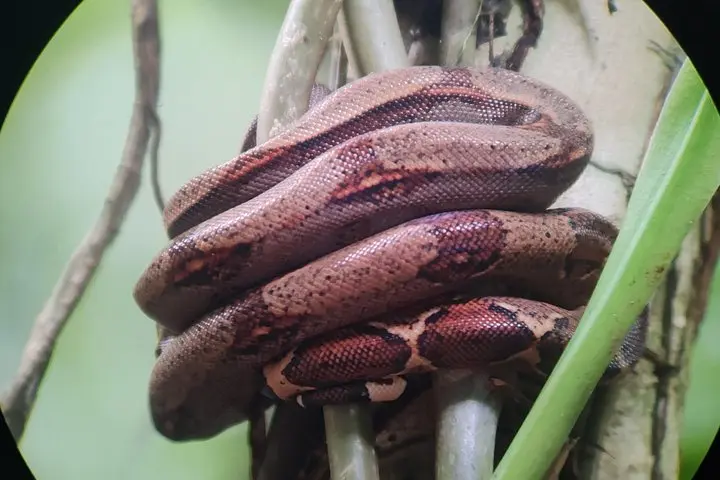
Expect close wildlife viewing from a low-profile skiff; sightings commonly include monkeys, sloths, crocodiles sunning along muddy banks, iguanas and a rich birdlife. The pace is deliberate — guides point out feeding signs and explain mangrove ecology and local conservation concerns.
Practical: tours last about 2 hours and are suitable for all fitness levels — minimal walking, mostly seated. Bring binoculars, sun protection, insect repellent and a small waterproof bag for electronics. Morning or late-afternoon departures increase active wildlife encounters and softer light for photography. Keep distance from animals, follow your guide, and be prepared for quick tropical showers during the wet season. The experience is part natural history lesson, part wildlife safari — compact, accessible, and focused on Costa Rica’s coastal pulse.
Yes — infants must sit on an adult’s lap; specialized infant seats are available on request.
Guides aim for close viewing without disturbing animals; keep distance and follow instructions—do not attempt to touch or feed wildlife.
The tour involves boarding a low-profile boat and mostly seated time; it’s generally suitable but check with the operator about specific mobility needs.
Per booking terms, you can receive a full refund if you cancel at least 24 hours before the scheduled departure time.
Diego Nature Tours operates guided outdoor trips and adventures with an emphasis on safety, stewardship, and memorable experiences.
The boat slips out of a small Quepos channel and the world narrows to trunks and roots, the mangrove arching overhead as if guiding you down a green tunnel. In two hours you’ll complete a roughly 3-mile (5 km) circuit through slow-moving rivers, estuaries and tidal mangrove forest where white-faced capuchins chatter, sloths hang motionless and kingfishers dart to the water.
The boat slips out of a small Quepos channel and the world narrows to trunks and roots, the mangrove arching overhead as if guiding you down a green tunnel. In two hours you’ll complete a roughly 3-mile (5 km) circuit through slow-moving rivers, estuaries and tidal mangrove forest where white-faced capuchins chatter, sloths hang motionless and kingfishers dart to the water.
Geologically, this coast is recent — Pacific tides, river sediment and volcanic soils build the estuary each season — and the mangroves act as the frontline: nursery for fish, buffer for storms. Culturally the Quepos–Manuel Antonio area grew around fishing and small-scale agriculture; today eco-tourism supports conservation efforts and local guides who read the water like an open book.
Expect close wildlife viewing from a low-profile skiff; sightings commonly include monkeys, sloths, crocodiles sunning along muddy banks, iguanas and a rich birdlife. The pace is deliberate — guides point out feeding signs and explain mangrove ecology and local conservation concerns.
Practical: tours last about 2 hours and are suitable for all fitness levels — minimal walking, mostly seated. Bring binoculars, sun protection, insect repellent and a small waterproof bag for electronics. Morning or late-afternoon departures increase active wildlife encounters and softer light for photography. Keep distance from animals, follow your guide, and be prepared for quick tropical showers during the wet season. The experience is part natural history lesson, part wildlife safari — compact, accessible, and focused on Costa Rica’s coastal pulse.