THE ADVENTURE COLLECTIVE® · Independent discovery and booking for outdoor travel

Explore Tancada lagoon with a skip-the-line ticket to MónNatura Delta de l’Ebre. Watch flamingos, waders and traditional salt pans while learning how the Ebro’s sediments sculpt this important wetland.
Explore Tancada lagoon with a skip-the-line ticket to MónNatura Delta de l’Ebre. Watch flamingos, waders and traditional salt pans while learning how the Ebro’s sediments sculpt this important wetland.
You step off the boardwalk and the lagoon opens before you: flat water reflecting a sky that shifts from pewter to bright Iberian blue, and a spread of waders probing the mud like punctuation marks along the shoreline.
Verified experiences and guided adventures in the surrounding area.
Operated by MonNatura Delta de l'Ebre · Amposta, Catalonia
You step off the boardwalk and the lagoon opens before you: flat water reflecting a sky that shifts from pewter to bright Iberian blue, and a spread of waders probing the mud like punctuation marks along the shoreline.
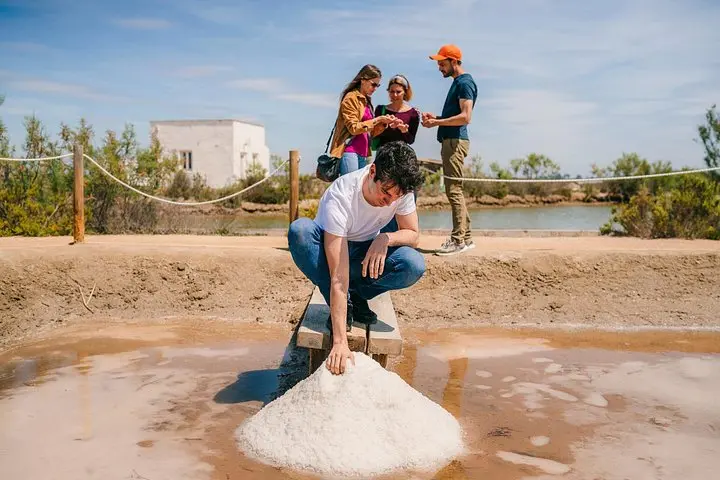
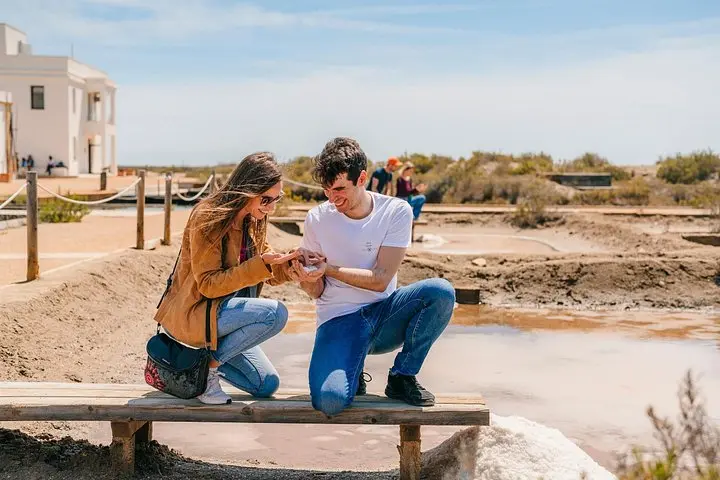
MónNatura Delta de l'Ebre sits on the Tancada lagoon, part of one of western Europe’s largest and most dynamic wetland systems. Humans, salt and river sediments have been shaping this landscape for millennia; the site’s reconstructed salt pans and traditional fishing gear illustrate how people harvested the Delta’s resources while birds used the shallow waters as a migratory stopover.
Geology here is recent and restless — sediments dumped by the Ebro form new land and channels each season, producing saline flats, reed beds and shallow lagoons that attract flamingos, terns, avocets and eelgrass specialists. Culturally, the Delta carries a strong fishing heritage: punts and casting nets remain fixtures in the living landscape.
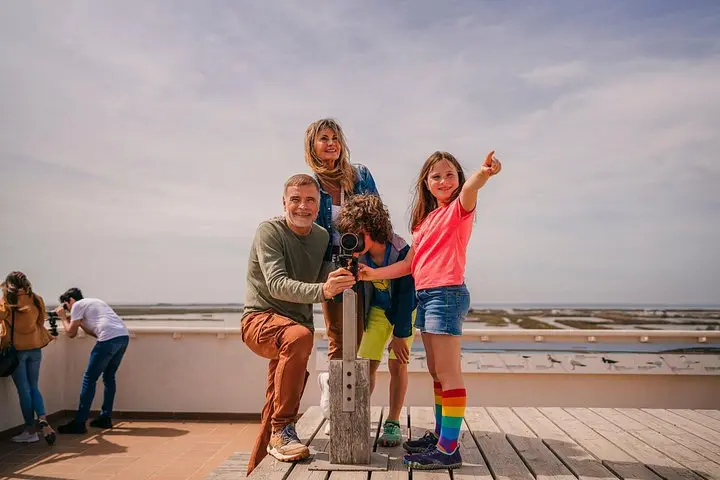
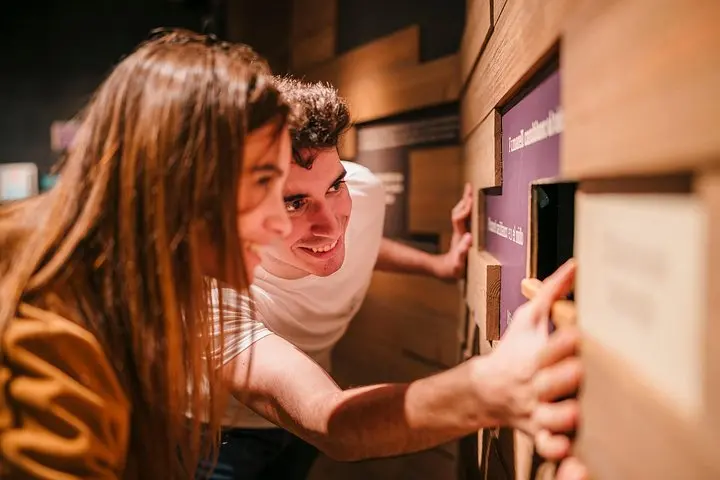
Practical guidance: bring binoculars and a layered windproof jacket; telescopes are available at hides but personal optics improve encounters. The visitor center offers audiovisual exhibits on seasonal cycles and a full-scale salt-pan recreation to explain traditional salt harvesting and fishery methods. Paths and hides are wheelchair accessible, and visits typically take 1–2 hours depending on how long you linger at observatories.
Plan morning or late-afternoon visits for the best light and bird activity; in high season, a skip-the-line ticket saves queue time. Respect signage and stay on trails — these shallow waters are bird breeding and feeding grounds, sensitive to disturbance.
This entrance ticket grants access to the visitor center, hides and exhibits; guided tours or punt rides may be extra—check on-site schedules.
Yes, MónNatura Delta de l’Ebre lists wheelchair and stroller accessibility across its visitor areas and surfaces.
Flamingos are often visible year-round, but early morning and late afternoon offer the most active and photogenic behavior.
Children are welcome but must be accompanied by an adult; exhibits are family-friendly and telescopes are available for close looks.
MonNatura Delta de l'Ebre operates guided outdoor trips and adventures with an emphasis on safety, stewardship, and memorable experiences.
You step off the boardwalk and the lagoon opens before you: flat water reflecting a sky that shifts from pewter to bright Iberian blue, and a spread of waders probing the mud like punctuation marks along the shoreline.
You step off the boardwalk and the lagoon opens before you: flat water reflecting a sky that shifts from pewter to bright Iberian blue, and a spread of waders probing the mud like punctuation marks along the shoreline.
MónNatura Delta de l'Ebre sits on the Tancada lagoon, part of one of western Europe’s largest and most dynamic wetland systems. Humans, salt and river sediments have been shaping this landscape for millennia; the site’s reconstructed salt pans and traditional fishing gear illustrate how people harvested the Delta’s resources while birds used the shallow waters as a migratory stopover.
Geology here is recent and restless — sediments dumped by the Ebro form new land and channels each season, producing saline flats, reed beds and shallow lagoons that attract flamingos, terns, avocets and eelgrass specialists. Culturally, the Delta carries a strong fishing heritage: punts and casting nets remain fixtures in the living landscape.
Practical guidance: bring binoculars and a layered windproof jacket; telescopes are available at hides but personal optics improve encounters. The visitor center offers audiovisual exhibits on seasonal cycles and a full-scale salt-pan recreation to explain traditional salt harvesting and fishery methods. Paths and hides are wheelchair accessible, and visits typically take 1–2 hours depending on how long you linger at observatories.
Plan morning or late-afternoon visits for the best light and bird activity; in high season, a skip-the-line ticket saves queue time. Respect signage and stay on trails — these shallow waters are bird breeding and feeding grounds, sensitive to disturbance.