THE ADVENTURE COLLECTIVE® · Independent discovery and booking for outdoor travel

Escape Paris for a full-day coach trip to Mont‑Saint‑Michel: climb medieval streets to a dramatic Gothic abbey, feel the bay’s tidal pull, and enjoy Breton flavors during free time. Practical tips on timing, tides, and what to pack keep this cultural pilgrimage manageable.
Escape Paris for a full-day coach trip to Mont‑Saint‑Michel: climb medieval streets to a dramatic Gothic abbey, feel the bay’s tidal pull, and enjoy Breton flavors during free time. Practical tips on timing, tides, and what to pack keep this cultural pilgrimage manageable.
The coach slips out of Paris before dawn and the city’s edges dissolve into green Normandy fields. By late morning the silhouette appears—an island-rock rising from pale sands, the abbey’s spire puncturing the sky. You step off the shuttle at the causeway; wind and gulls claim the bay while the medieval Grande Rue narrows and climbs toward stone stairs that lead to the abbey.
Verified experiences and guided adventures in the surrounding area.
Operated by Nord Ashtaa · Le Mont-Saint-Michel, Normandy
The coach slips out of Paris before dawn and the city’s edges dissolve into green Normandy fields. By late morning the silhouette appears—an island-rock rising from pale sands, the abbey’s spire puncturing the sky. You step off the shuttle at the causeway; wind and gulls claim the bay while the medieval Grande Rue narrows and climbs toward stone stairs that lead to the abbey.
Mont-Saint-Michel sits on a granite outcrop formed in the Cambrian and transformed by tidal forces that sculpted the surrounding flats into quicksilver channels. A monastery has crowned the rock since the 8th century; successive Gothic builders stacked chapel onto cloister, making a vertical village that once guided pilgrims and guarded the western approaches of Normandy.
Local culture is blunt: Breton crêpe stands, Mère Poulard omelettes, and artisans selling sea-salted caramels. Guides thread history and geology into the tour—refectories, chapels, and exposed vaults that frame the bay. The tide plays a starring role; at high tide the island feels truly insular, at low tide the flats beckon exploration but can be treacherous without a guide.
Practical note: the on-site visit runs about 4–5 hours; expect steep, uneven steps and narrow passageways. Bring layered clothing and sturdy shoes, check tide times if you plan a bay walk, and allow extra time for souvenir shopping and a warm crêpe. The return coach gets you back to Paris late evening—long day, compacted history, and unmistakable light over the sea.
The on-site portion is about 4–5 hours, including the abbey tour and free time to explore the streets and terraces.
Yes — this tour includes entry to the Abbey of Mont‑Saint‑Michel; check exceptions for certain holiday dates noted by the operator.
No — tidal flats can hide channels and soft sand; only attempt bay walks with a trained guide familiar with local tides.
Transfers from centrally located hotels are often available if you selected that option at booking; confirm your pickup point in advance.
Nord Ashtaa operates guided outdoor trips and adventures with an emphasis on safety, stewardship, and memorable experiences.

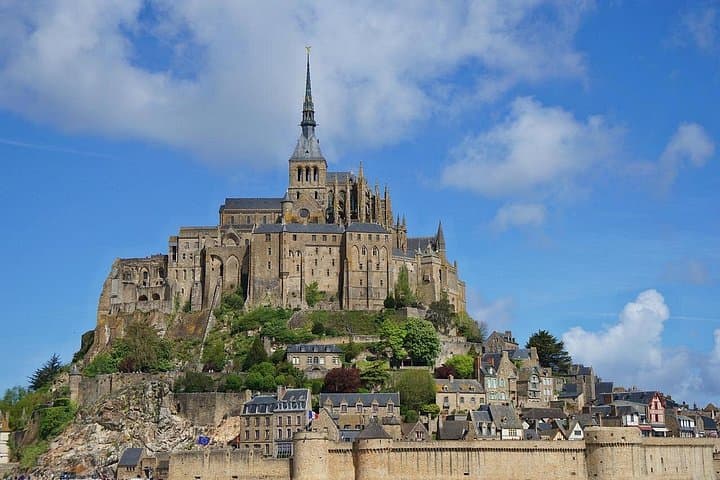


The coach slips out of Paris before dawn and the city’s edges dissolve into green Normandy fields. By late morning the silhouette appears—an island-rock rising from pale sands, the abbey’s spire puncturing the sky. You step off the shuttle at the causeway; wind and gulls claim the bay while the medieval Grande Rue narrows and climbs toward stone stairs that lead to the abbey.
The coach slips out of Paris before dawn and the city’s edges dissolve into green Normandy fields. By late morning the silhouette appears—an island-rock rising from pale sands, the abbey’s spire puncturing the sky. You step off the shuttle at the causeway; wind and gulls claim the bay while the medieval Grande Rue narrows and climbs toward stone stairs that lead to the abbey.
Mont-Saint-Michel sits on a granite outcrop formed in the Cambrian and transformed by tidal forces that sculpted the surrounding flats into quicksilver channels. A monastery has crowned the rock since the 8th century; successive Gothic builders stacked chapel onto cloister, making a vertical village that once guided pilgrims and guarded the western approaches of Normandy.
Local culture is blunt: Breton crêpe stands, Mère Poulard omelettes, and artisans selling sea-salted caramels. Guides thread history and geology into the tour—refectories, chapels, and exposed vaults that frame the bay. The tide plays a starring role; at high tide the island feels truly insular, at low tide the flats beckon exploration but can be treacherous without a guide.
Practical note: the on-site visit runs about 4–5 hours; expect steep, uneven steps and narrow passageways. Bring layered clothing and sturdy shoes, check tide times if you plan a bay walk, and allow extra time for souvenir shopping and a warm crêpe. The return coach gets you back to Paris late evening—long day, compacted history, and unmistakable light over the sea.