THE ADVENTURE COLLECTIVE® · Independent discovery and booking for outdoor travel

Walk the plazas of Monte Albán, then meet the makers: a full-day tour combines Zapotec archaeology with hands-on alebrije carving and a black-pottery workshop. Expect panoramic valley views, uneven stone paths and intimate demonstrations by local artisans.
Walk the plazas of Monte Albán, then meet the makers: a full-day tour combines Zapotec archaeology with hands-on alebrije carving and a black-pottery workshop. Expect panoramic valley views, uneven stone paths and intimate demonstrations by local artisans.
Dawn lifts the fog from the wide bowl of the Oaxaca Valley and Monte Albán’s stone plazas collect the first light like a weathered mirror.
Verified experiences and guided adventures in the surrounding area.
Operated by Zapotecos Tours · Oaxaca de Juárez, Oaxaca
Dawn lifts the fog from the wide bowl of the Oaxaca Valley and Monte Albán’s stone plazas collect the first light like a weathered mirror.
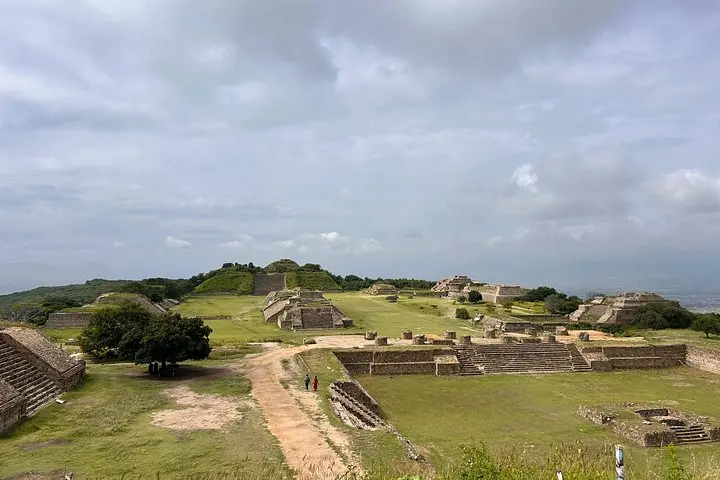
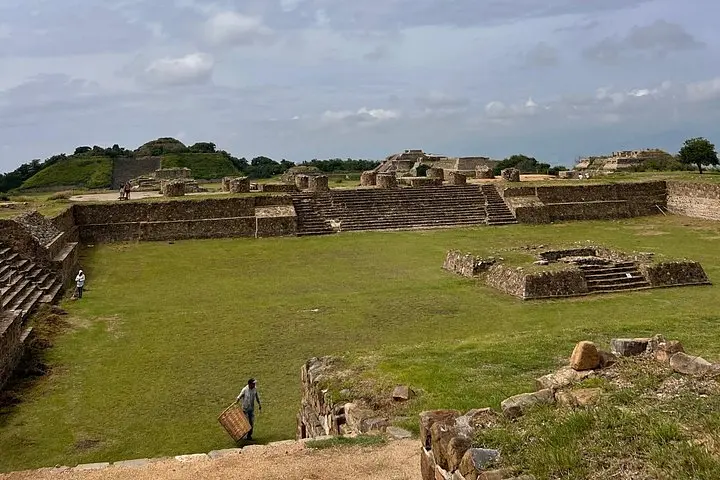
Visitors climb the flattened summit where Zapotec architects quarried and sculpted terraces and plazas to anchor a city with sightlines over the valley. The site reads as an open-air classroom: stepped platforms, ball courts and carved tombs that sketch centuries of ritual life and political power. Geologically the ridge feels compact and stony underfoot — you move from packed earth to sun-baked flagstone — and the wind across the exposed plazas will remind you the place was chosen for visibility as much as defense.
The afternoon shifts from archaeology to living craft: a workshop in San Antonio Arrazola introduces alebrijes, the colorful wood carvings developed from the Jiménez family’s tradition, while San Bartolo Coyotepec demonstrates the black pottery technique — burnished, smoke-fired and tied to pre-Hispanic methods.
Practical edge: plan for eight hours, uneven ground and stairs at the ruins, and stops at small family-run workshops where cash helps. Bring sun protection, sturdy shoes, and an appreciation for hands-on demonstrations; the guide covers history, technique and local symbolism like tonas and nahuales tied to birth dates. Expect accessible walking interspersed with seated demonstrations and a buffet lunch stop; the tour balances relaxed observation with active exploration. Respect site rules, support artisans directly, and leave room in your pack for a compact souvenir that supports the local economy.
Yes, the tour price includes admission to the Monte Albán archaeological site.
Expect several hours of walking across uneven plazas and stepped terraces; the guide paces the group with frequent stops.
The itinerary includes a stop at a buffet restaurant for lunch; check booking details for whether the meal cost is covered or pay-as-you-go.
Yes — workshops are family-friendly and often include hands-on demonstrations, but younger children may need supervision around tools and open-fire pottery demonstrations.
Zapotecos Tours operates guided outdoor trips and adventures with an emphasis on safety, stewardship, and memorable experiences.


Dawn lifts the fog from the wide bowl of the Oaxaca Valley and Monte Albán’s stone plazas collect the first light like a weathered mirror.
Dawn lifts the fog from the wide bowl of the Oaxaca Valley and Monte Albán’s stone plazas collect the first light like a weathered mirror.
Visitors climb the flattened summit where Zapotec architects quarried and sculpted terraces and plazas to anchor a city with sightlines over the valley. The site reads as an open-air classroom: stepped platforms, ball courts and carved tombs that sketch centuries of ritual life and political power. Geologically the ridge feels compact and stony underfoot — you move from packed earth to sun-baked flagstone — and the wind across the exposed plazas will remind you the place was chosen for visibility as much as defense.
The afternoon shifts from archaeology to living craft: a workshop in San Antonio Arrazola introduces alebrijes, the colorful wood carvings developed from the Jiménez family’s tradition, while San Bartolo Coyotepec demonstrates the black pottery technique — burnished, smoke-fired and tied to pre-Hispanic methods.
Practical edge: plan for eight hours, uneven ground and stairs at the ruins, and stops at small family-run workshops where cash helps. Bring sun protection, sturdy shoes, and an appreciation for hands-on demonstrations; the guide covers history, technique and local symbolism like tonas and nahuales tied to birth dates. Expect accessible walking interspersed with seated demonstrations and a buffet lunch stop; the tour balances relaxed observation with active exploration. Respect site rules, support artisans directly, and leave room in your pack for a compact souvenir that supports the local economy.