THE ADVENTURE COLLECTIVE® · Independent discovery and booking for outdoor travel

Spend a full day exploring Monte Albán’s hilltop ruins, Arrazola’s vivid alebrije workshops, the colonial convent at Cuilapam, and San Bartolo’s black clay studios. This practical cultural tour pairs short walks with direct encounters with artisans and Zapotec history.
Spend a full day exploring Monte Albán’s hilltop ruins, Arrazola’s vivid alebrije workshops, the colonial convent at Cuilapam, and San Bartolo’s black clay studios. This practical cultural tour pairs short walks with direct encounters with artisans and Zapotec history.
The day begins in Oaxaca de Juárez as the van slips out of the city and the Central Valley widens beneath a sharp northern sky. You climb toward Monte Albán and the stone plazas open like pages of history—the plaza watches the valley, and terraces step down into a patchwork of agave and corn.
Verified experiences and guided adventures in the surrounding area.
Operated by Syctravel.com · Oaxaca de Juárez, Oaxaca
The day begins in Oaxaca de Juárez as the van slips out of the city and the Central Valley widens beneath a sharp northern sky. You climb toward Monte Albán and the stone plazas open like pages of history—the plaza watches the valley, and terraces step down into a patchwork of agave and corn.
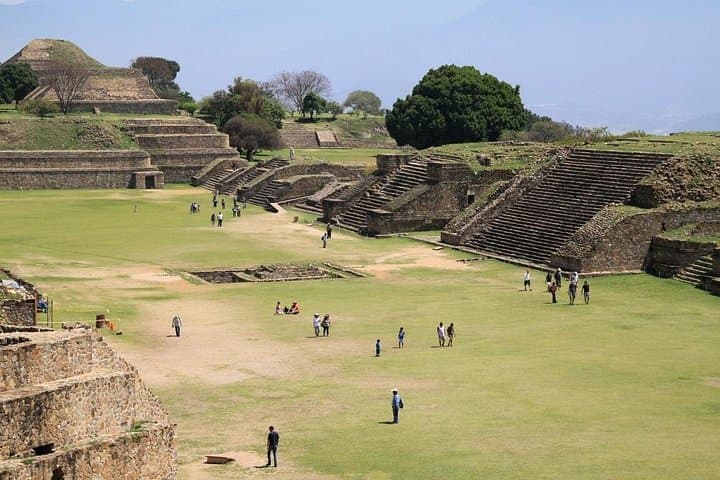
Monte Albán: founded by the Zapotecs, the site sits atop a man-made plateau carved from limestone and looms over the valley with plazas, ball courts and tombs that record centuries of political change and contact with Teotihuacán. The exposed bedrock and carved terraces show the geology of the Central Valleys: fractured limestone, seasonally scrub-covered slopes and long, clear sightlines.
From there the tour moves to San Antonio Arrazola, where woodcarvers paint alebrijes in colors that dare the light; then to Cuilapam de Guerrero to visit the 16th-century Dominican convent and learn about its colonial past; the final stop is San Bartolo Coyotepec, where black clay pottery—burnished and fired in reduced-oxygen kilns—carries a pre-Hispanic lineage into modern craft markets.
Practical guidance: expect an 8-hour day with short walks on uneven archaeological stone and village streets. Bring sun protection, water, and small bills for artisan workshops. Photography is generally allowed at Monte Albán but be respectful in religious sites and artisan studios. The rhythm of this tour alternates quiet archaeological observation with lively craft demonstrations—plan for a full day of standing, short climbs, and close-up encounters with Oaxaca’s living traditions.
The itinerary lists Monte Albán admission as included; village visits and artisan workshops typically do not require fees, though purchases are extra.
Yes—pickup from hotels in Oaxaca de Juárez is provided; if your hotel is not listed, supply the full address when booking.
Expect short walks and some stair climbs at Monte Albán and brief street walking in villages—suitable for participants of all fitness levels.
Yes—stops in Arrazola and San Bartolo include workshops and shops; bring small bills and allow time to browse and speak with makers.
Syctravel.com operates guided outdoor trips and adventures with an emphasis on safety, stewardship, and memorable experiences.



The day begins in Oaxaca de Juárez as the van slips out of the city and the Central Valley widens beneath a sharp northern sky. You climb toward Monte Albán and the stone plazas open like pages of history—the plaza watches the valley, and terraces step down into a patchwork of agave and corn.
The day begins in Oaxaca de Juárez as the van slips out of the city and the Central Valley widens beneath a sharp northern sky. You climb toward Monte Albán and the stone plazas open like pages of history—the plaza watches the valley, and terraces step down into a patchwork of agave and corn.
Monte Albán: founded by the Zapotecs, the site sits atop a man-made plateau carved from limestone and looms over the valley with plazas, ball courts and tombs that record centuries of political change and contact with Teotihuacán. The exposed bedrock and carved terraces show the geology of the Central Valleys: fractured limestone, seasonally scrub-covered slopes and long, clear sightlines.
From there the tour moves to San Antonio Arrazola, where woodcarvers paint alebrijes in colors that dare the light; then to Cuilapam de Guerrero to visit the 16th-century Dominican convent and learn about its colonial past; the final stop is San Bartolo Coyotepec, where black clay pottery—burnished and fired in reduced-oxygen kilns—carries a pre-Hispanic lineage into modern craft markets.
Practical guidance: expect an 8-hour day with short walks on uneven archaeological stone and village streets. Bring sun protection, water, and small bills for artisan workshops. Photography is generally allowed at Monte Albán but be respectful in religious sites and artisan studios. The rhythm of this tour alternates quiet archaeological observation with lively craft demonstrations—plan for a full day of standing, short climbs, and close-up encounters with Oaxaca’s living traditions.