THE ADVENTURE COLLECTIVE® · Independent discovery and booking for outdoor travel

A private full-day from Rome that pairs Montecassino’s storied abbey, a light lunch and local Cabernet d'Atina in Valle di Comino, the Roman connections of San Domenico in Sora, and the dramatic urban falls of Isola del Liri. Expect history, short walks, and panoramic hilltop views across southern Lazio.
A private full-day from Rome that pairs Montecassino’s storied abbey, a light lunch and local Cabernet d'Atina in Valle di Comino, the Roman connections of San Domenico in Sora, and the dramatic urban falls of Isola del Liri. Expect history, short walks, and panoramic hilltop views across southern Lazio.
You step into a different Lazio at first light: the van hums onto the SS6, olive branches and low ragged hills sliding by as the city noise thins. The abbey at Montecassino rises on its rocky spur — stone façades, battered by centuries and war, opening onto a terrace that looks over an agricultural plain and distant Apennine ridges.
Verified experiences and guided adventures in the surrounding area.
Operated by Vviaggi · Cassino, Lazio
You step into a different Lazio at first light: the van hums onto the SS6, olive branches and low ragged hills sliding by as the city noise thins. The abbey at Montecassino rises on its rocky spur — stone façades, battered by centuries and war, opening onto a terrace that looks over an agricultural plain and distant Apennine ridges.
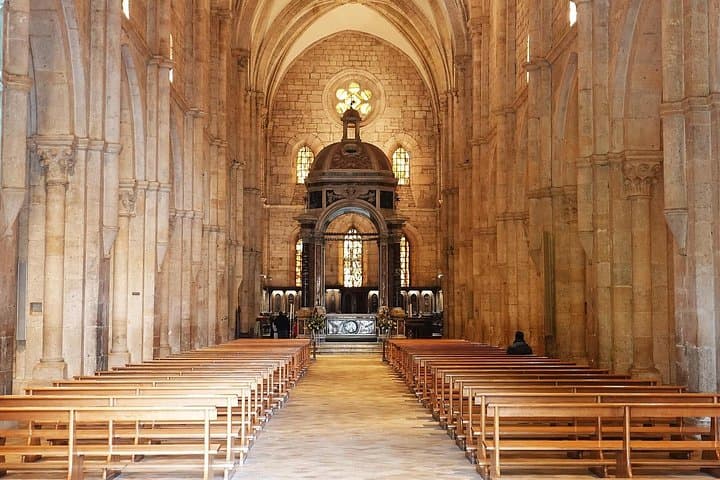
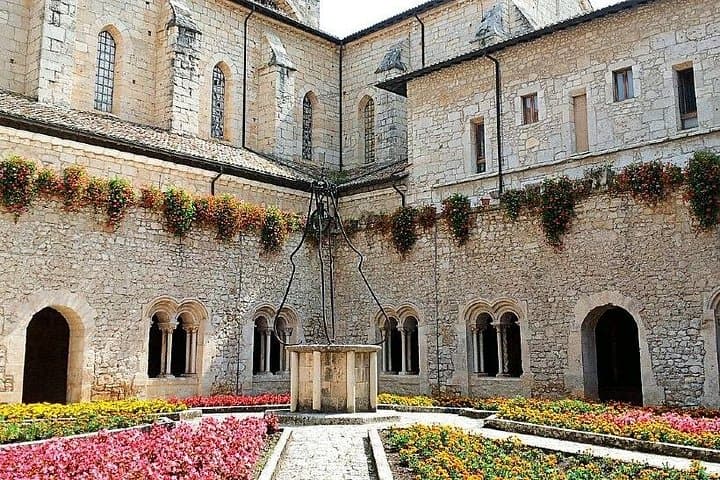
Montecassino was founded by Saint Benedict in 529 and rebuilt after World War II; its layered history is visible in rebuilt chapels, mosaics, and the museum collections. The geology here is limestone and marl, carved by seasonal streams that shape the low valleys like Valle di Comino where vines take root. Casamari Abbey, a Cistercian foundation from the 12th century, offers austere Gothic lines and cloisters that reveal how monastic life shaped medieval land use and local culture. In Sora, San Domenico sits near the birthplace of Cicero, tying Roman rhetorical history to the quieter rhythms of rural Lazio. Isola del Liri breaks the pattern: a waterfall runs through the town center, an unusual urban cascade framed by medieval masonry.
Practically, expect a long but gentle day—about 9–10 hours including drives. There’s moderate walking, stairs, and uneven stone floors inside abbeys; comfortable shoes and a mindful pace make the day enjoyable. Bring a refillable water bottle, a light layer for ecclesiastical interiors and hilltop breezes, and a camera with spare battery. Guides provide commentary and entry where included; leave time in Isola del Liri for coffee by the falls and a quick wander through narrow streets.
Pickup is from central Rome accommodations; exact time and meeting point are confirmed at booking.
Montecassino and Casamari visits noted as included in the itinerary; confirm specific access with your operator before travel.
The light lunch and wine tasting feature local specialties—notify the operator of allergies or dietary needs ahead of time.
Yes—infant seats and stroller access are available, though abbey interiors and cobbled streets can be challenging with large strollers.
Vviaggi operates guided outdoor trips and adventures with an emphasis on safety, stewardship, and memorable experiences.
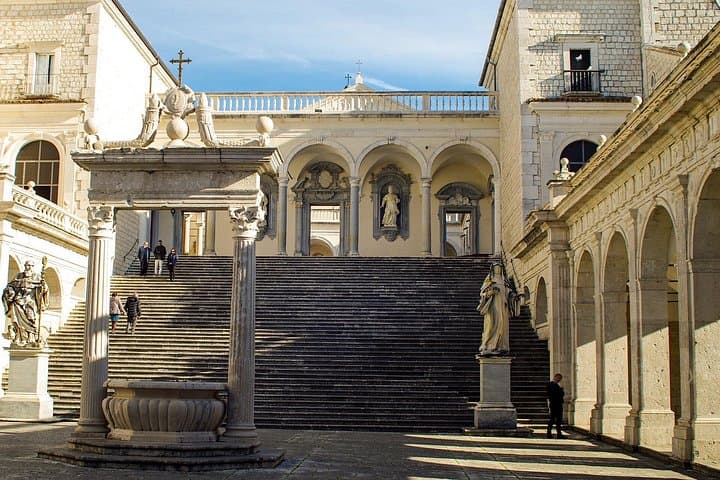
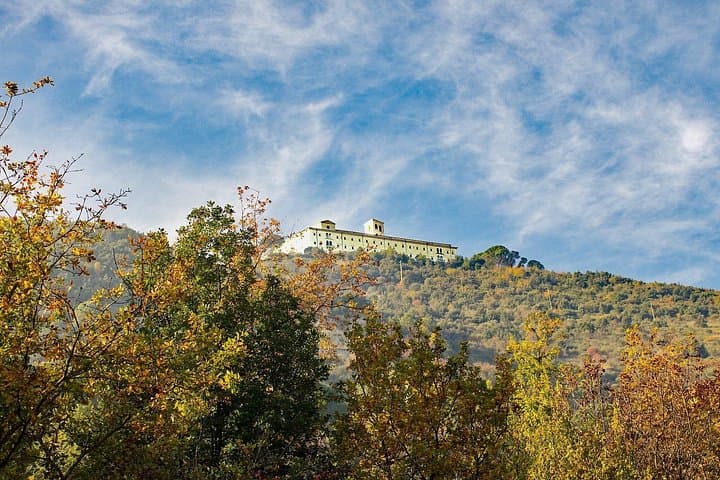
You step into a different Lazio at first light: the van hums onto the SS6, olive branches and low ragged hills sliding by as the city noise thins. The abbey at Montecassino rises on its rocky spur — stone façades, battered by centuries and war, opening onto a terrace that looks over an agricultural plain and distant Apennine ridges.
You step into a different Lazio at first light: the van hums onto the SS6, olive branches and low ragged hills sliding by as the city noise thins. The abbey at Montecassino rises on its rocky spur — stone façades, battered by centuries and war, opening onto a terrace that looks over an agricultural plain and distant Apennine ridges.
Montecassino was founded by Saint Benedict in 529 and rebuilt after World War II; its layered history is visible in rebuilt chapels, mosaics, and the museum collections. The geology here is limestone and marl, carved by seasonal streams that shape the low valleys like Valle di Comino where vines take root. Casamari Abbey, a Cistercian foundation from the 12th century, offers austere Gothic lines and cloisters that reveal how monastic life shaped medieval land use and local culture. In Sora, San Domenico sits near the birthplace of Cicero, tying Roman rhetorical history to the quieter rhythms of rural Lazio. Isola del Liri breaks the pattern: a waterfall runs through the town center, an unusual urban cascade framed by medieval masonry.
Practically, expect a long but gentle day—about 9–10 hours including drives. There’s moderate walking, stairs, and uneven stone floors inside abbeys; comfortable shoes and a mindful pace make the day enjoyable. Bring a refillable water bottle, a light layer for ecclesiastical interiors and hilltop breezes, and a camera with spare battery. Guides provide commentary and entry where included; leave time in Isola del Liri for coffee by the falls and a quick wander through narrow streets.