THE ADVENTURE COLLECTIVE® · Independent discovery and booking for outdoor travel

A full-day escape from Antigua to Monterrico’s black-sand shore—expect a 2½-hour scenic drive, resort facilities, birding and a chance to learn about local turtle conservation. Plan for sun, surf and basic coastal comforts.
A full-day escape from Antigua to Monterrico’s black-sand shore—expect a 2½-hour scenic drive, resort facilities, birding and a chance to learn about local turtle conservation. Plan for sun, surf and basic coastal comforts.
The road out of Antigua opens onto broad fields and the low profile of coastal volcanoes; after two and a half hours the air tastes of salt and warm sand. Hawaii Beach at Monterrico is a working Pacific shore—black sand that remembers eruptions, surf that dares surfers, and broad flats where shorebirds quarter for food.
Verified experiences and guided adventures in the surrounding area.
Operated by Guate Tours by Nelson. · Monterrico, Santa Rosa
The road out of Antigua opens onto broad fields and the low profile of coastal volcanoes; after two and a half hours the air tastes of salt and warm sand. Hawaii Beach at Monterrico is a working Pacific shore—black sand that remembers eruptions, surf that dares surfers, and broad flats where shorebirds quarter for food.
Geology and history here are straightforward: the sand is volcanic in origin and the coastline has shifted with tectonic activity and seasonal currents. Culturally, Monterrico is a fishing community with a growing ecotourism scene; local restaurants turn fresh catches into simple, garlicked ceviches and fried fish. The area also hosts community-led turtle conservation stations that protect nesting Olive Ridley and other Pacific turtles during the wet-season nesting window.
Your day will likely include a resort day pass—pools, shaded palapas, a restaurant—and optional ATVs or horseback rides along the coast. Birdwatchers will notice terns, pelicans and shorebirds skirting the surf, while conservation stations offer a close look at turtle protection work (releases usually occur at night; day visits focus on education and hatchery tours).
Practical guidance: the transfer is longish (≈2.5 hours each way), so plan water and sun protection and expect basic resort facilities rather than luxury services. Bring cash for local vendors and tips, and use reef-safe sunscreen. If you’re visiting in the rainy months (May–October), wet roads and higher surf are common; nesting activity peaks mid-year. For a manageable, activity-rich coastal day that combines wildlife, surf and island‑plain landscapes, Monterrico delivers a grounded Pacific experience.
Expect about 2–2.5 hours each way over paved and secondary roads—plan for a full-day excursion (around 10 hours total).
Day passes typically include a visit to a conservation station and hatchery tours; actual nighttime releases are seasonal and may require a separate, evening arrangement with the guide.
Many resorts and transport options advertise accessibility, but beach access across soft sand can be limited—check specific access needs with the operator ahead of time.
Most day passes include resort access and often offer food for purchase; confirm whether a meal is included when booking or bring cash for the restaurant.
Guate Tours by Nelson. operates guided outdoor trips and adventures with an emphasis on safety, stewardship, and memorable experiences.
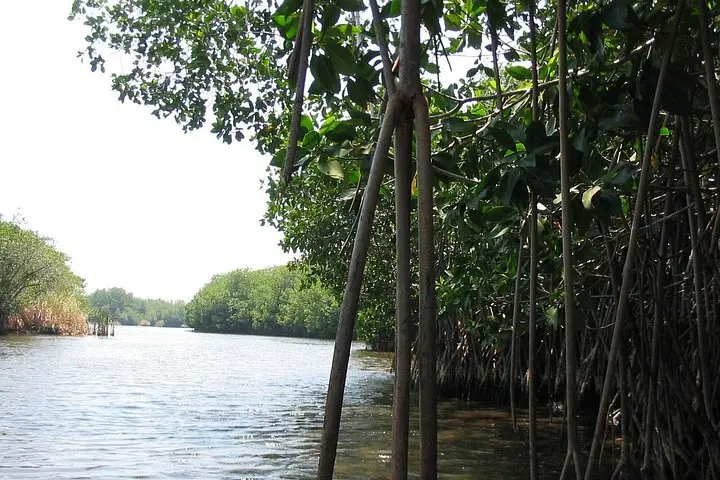
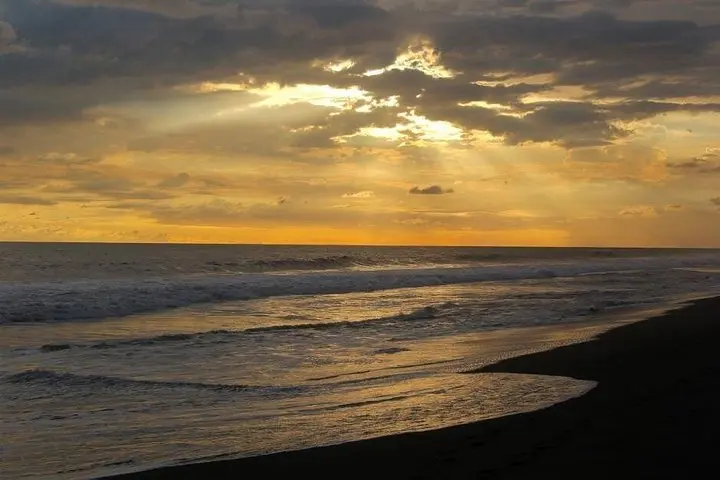
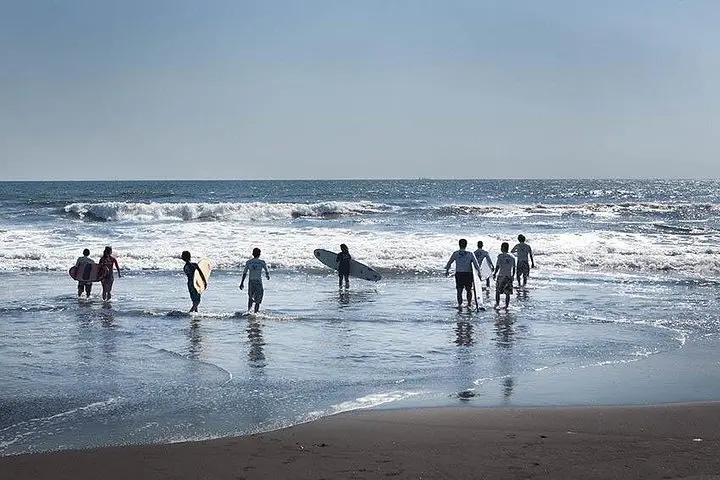
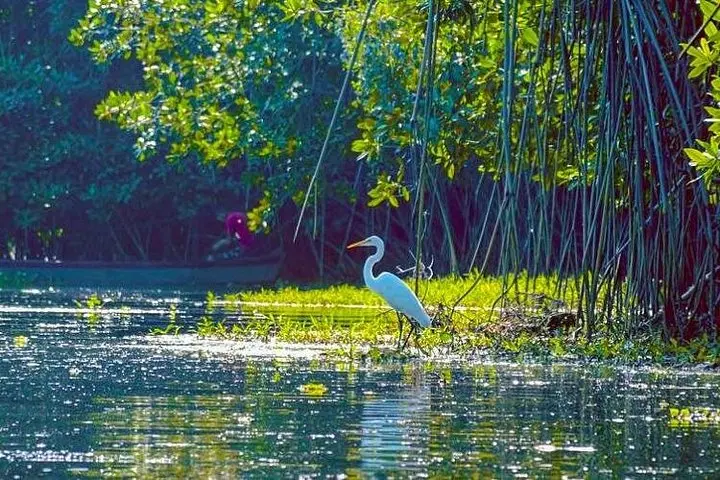
The road out of Antigua opens onto broad fields and the low profile of coastal volcanoes; after two and a half hours the air tastes of salt and warm sand. Hawaii Beach at Monterrico is a working Pacific shore—black sand that remembers eruptions, surf that dares surfers, and broad flats where shorebirds quarter for food.
The road out of Antigua opens onto broad fields and the low profile of coastal volcanoes; after two and a half hours the air tastes of salt and warm sand. Hawaii Beach at Monterrico is a working Pacific shore—black sand that remembers eruptions, surf that dares surfers, and broad flats where shorebirds quarter for food.
Geology and history here are straightforward: the sand is volcanic in origin and the coastline has shifted with tectonic activity and seasonal currents. Culturally, Monterrico is a fishing community with a growing ecotourism scene; local restaurants turn fresh catches into simple, garlicked ceviches and fried fish. The area also hosts community-led turtle conservation stations that protect nesting Olive Ridley and other Pacific turtles during the wet-season nesting window.
Your day will likely include a resort day pass—pools, shaded palapas, a restaurant—and optional ATVs or horseback rides along the coast. Birdwatchers will notice terns, pelicans and shorebirds skirting the surf, while conservation stations offer a close look at turtle protection work (releases usually occur at night; day visits focus on education and hatchery tours).
Practical guidance: the transfer is longish (≈2.5 hours each way), so plan water and sun protection and expect basic resort facilities rather than luxury services. Bring cash for local vendors and tips, and use reef-safe sunscreen. If you’re visiting in the rainy months (May–October), wet roads and higher surf are common; nesting activity peaks mid-year. For a manageable, activity-rich coastal day that combines wildlife, surf and island‑plain landscapes, Monterrico delivers a grounded Pacific experience.