THE ADVENTURE COLLECTIVE® · Independent discovery and booking for outdoor travel

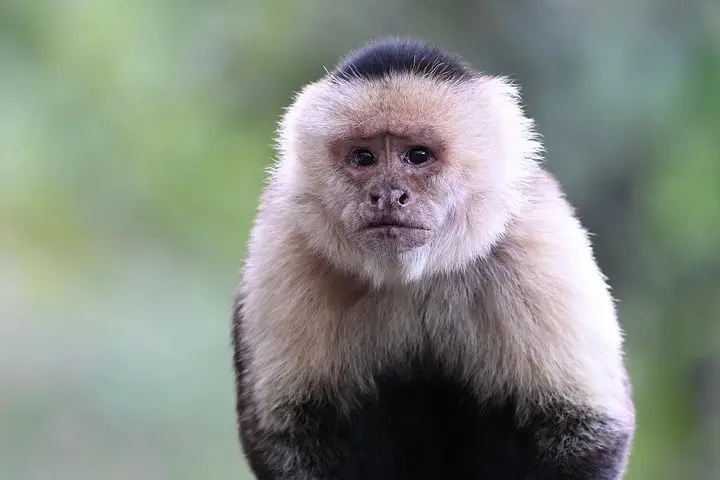
Walk beneath mist-dripped canopies on a three-hour guided tour of Monteverde Cloud Forest Reserve. Learn ecological stories from an accredited guide while watching for sloths, monkeys, and rare birds.
Walk beneath mist-dripped canopies on a three-hour guided tour of Monteverde Cloud Forest Reserve. Learn ecological stories from an accredited guide while watching for sloths, monkeys, and rare birds.
Dawn arrives as a cool, damp breath that threads through the canopy — the cloud forest opens like a slow curtain. On the Monteverde Cloud Forest Tour, guided groups move quietly along boardwalks and narrow dirt trails while fog clings to moss-dressed trunks and epiphytes drape branches like green jewelry. Birdsong punctuates the hush; toucans and hummingbirds flash color between shafts of light.
Verified experiences and guided adventures in the surrounding area.
Operated by Monteverde Eco Tours · Monteverde, Puntarenas
Dawn arrives as a cool, damp breath that threads through the canopy — the cloud forest opens like a slow curtain. On the Monteverde Cloud Forest Tour, guided groups move quietly along boardwalks and narrow dirt trails while fog clings to moss-dressed trunks and epiphytes drape branches like green jewelry. Birdsong punctuates the hush; toucans and hummingbirds flash color between shafts of light.
The reserve sits on a volcanic uplift at roughly 1,400 m elevation, a mixing zone where Pacific and Caribbean weather meet. That collision creates near-constant mist and a unique assemblage of flora: orchids, tree ferns, and ancient oaks supporting dense moss. The area’s modern conservation history began in the 1970s when local and international scientists and settlers protected key parcels to preserve endemic species and water catchments. Local communities around Santa Elena maintain a blend of Costa Rican and settler cultures, with conservation and ecotourism part of everyday life.
Expect a three-hour guided walk that focuses on natural history — the guide points out sloths, coatis, and, if lucky, the resplendent quetzal — and explains ecological links between plants, pollinators, and cloud-driven hydrology. Trails range from packed earth to wet boardwalks; footing can be slippery.
Practical guidance: wear grippy hiking shoes, a breathable rain shell, and layered clothing for quick temperature shifts. Bring water, insect repellent, and a camera with a telephoto or compact binoculars for canopy sightings. Arrive early to avoid crowds and follow Leave No Trace practices to help keep the reserve foggy, wild, and thriving.
The guided tour runs approximately three hours and typically covers a mix of boardwalks and forest trails within the reserve.
Guides actively look for sloths, monkeys, coatis, and birds such as the resplendent quetzal, but wildlife sightings cannot be guaranteed—early starts increase your chances.
Trails include uneven terrain and stairs; the tour requires moderate fitness and is not recommended for those with serious mobility limitations or spinal issues.
Most visits require entrance to the Monteverde Cloud Forest Reserve; check current reserve fees and whether they are included with your tour booking.
Monteverde Eco Tours operates guided outdoor trips and adventures with an emphasis on safety, stewardship, and memorable experiences.
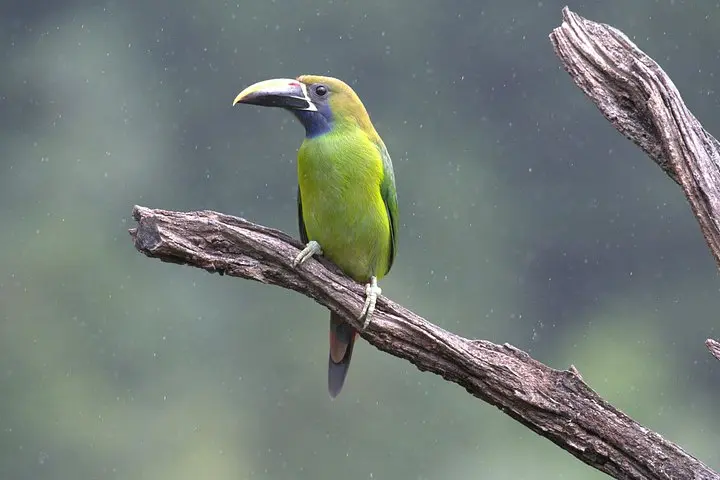
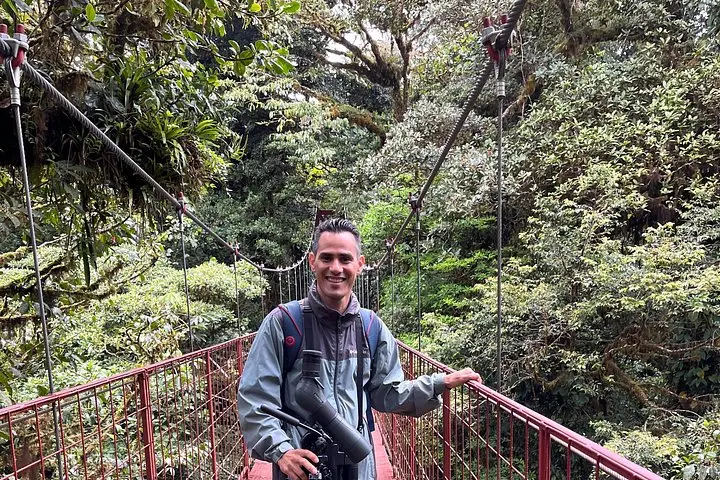
Dawn arrives as a cool, damp breath that threads through the canopy — the cloud forest opens like a slow curtain. On the Monteverde Cloud Forest Tour, guided groups move quietly along boardwalks and narrow dirt trails while fog clings to moss-dressed trunks and epiphytes drape branches like green jewelry. Birdsong punctuates the hush; toucans and hummingbirds flash color between shafts of light.
Dawn arrives as a cool, damp breath that threads through the canopy — the cloud forest opens like a slow curtain. On the Monteverde Cloud Forest Tour, guided groups move quietly along boardwalks and narrow dirt trails while fog clings to moss-dressed trunks and epiphytes drape branches like green jewelry. Birdsong punctuates the hush; toucans and hummingbirds flash color between shafts of light.
The reserve sits on a volcanic uplift at roughly 1,400 m elevation, a mixing zone where Pacific and Caribbean weather meet. That collision creates near-constant mist and a unique assemblage of flora: orchids, tree ferns, and ancient oaks supporting dense moss. The area’s modern conservation history began in the 1970s when local and international scientists and settlers protected key parcels to preserve endemic species and water catchments. Local communities around Santa Elena maintain a blend of Costa Rican and settler cultures, with conservation and ecotourism part of everyday life.
Expect a three-hour guided walk that focuses on natural history — the guide points out sloths, coatis, and, if lucky, the resplendent quetzal — and explains ecological links between plants, pollinators, and cloud-driven hydrology. Trails range from packed earth to wet boardwalks; footing can be slippery.
Practical guidance: wear grippy hiking shoes, a breathable rain shell, and layered clothing for quick temperature shifts. Bring water, insect repellent, and a camera with a telephoto or compact binoculars for canopy sightings. Arrive early to avoid crowds and follow Leave No Trace practices to help keep the reserve foggy, wild, and thriving.