THE ADVENTURE COLLECTIVE® · Independent discovery and booking for outdoor travel

Walk paved plantation trails with an expert guide to learn how coffee, cacao and sugar cane grow and are processed. This 2‑hour, wheelchair‑friendly tour includes tastings and a visit to the gift shop.
Walk paved plantation trails with an expert guide to learn how coffee, cacao and sugar cane grow and are processed. This 2‑hour, wheelchair‑friendly tour includes tastings and a visit to the gift shop.
Fog and sun trade places over a patchwork of terraces as you step from the visitor center onto cemented paths. The air smells of wet earth and roasting beans; sugar cane stalks rustle like a chorus leaning toward the light. A local guide leads the group along accessible trails through rows of coffee shrubs, cacao trees and cane fields, pausing to pluck a ripe bean or press a cane stem for a fresh shot of juice.
Verified experiences and guided adventures in the surrounding area.
Operated by Don Juan Tours · Monteverde, Puntarenas
Fog and sun trade places over a patchwork of terraces as you step from the visitor center onto cemented paths. The air smells of wet earth and roasting beans; sugar cane stalks rustle like a chorus leaning toward the light. A local guide leads the group along accessible trails through rows of coffee shrubs, cacao trees and cane fields, pausing to pluck a ripe bean or press a cane stem for a fresh shot of juice.
These three crops carry layers of history — cacao first cultivated by Indigenous peoples, sugar cane shaping colonial economies, and coffee driving Costa Rica’s 19th‑century export boom. Geology here is young volcanic soil on the Tilarán Range; it gives the crops acidity and depth, and sends mist down the slopes that the plants drink like a tide. Culturally, smallholder farms and family-run processing facilities keep methods hands-on: you’ll see fermentation boxes for cacao, hulling tables for beans, and rustic presses for cane.
Practical guidance: the route is fully paved and wheelchair-friendly, lasting about two hours with tasting stops included. Expect uneven steps at some buildings and occasional mud near processing areas when it rains; closed-toe shoes are recommended even on cement. Bring a small backpack for purchases from the onsite gift shop, and a refillable water bottle — tastings are generous but you’ll want water afterward. Morning tours are cooler and less crowded; afternoons bring softer light for photos.
The tour blends sensory tasting with clear explanations of farming, processing and sustainability, making it ideal for families, food lovers and anyone curious how everyday flavors begin on the plant.
Yes — all trails and surfaces on the property are cemented and the tour is described as wheelchair and stroller accessible.
Yes — the tour includes tastings of coffee, hot chocolate and freshly pressed sugar cane juice, along with explanations of each product’s process.
The tour lasts about two hours and is family-friendly; infants can use strollers and child seats are available.
You can receive a full refund if you cancel at least 24 hours before the scheduled departure time; check your booking for specifics.
Don Juan Tours operates guided outdoor trips and adventures with an emphasis on safety, stewardship, and memorable experiences.

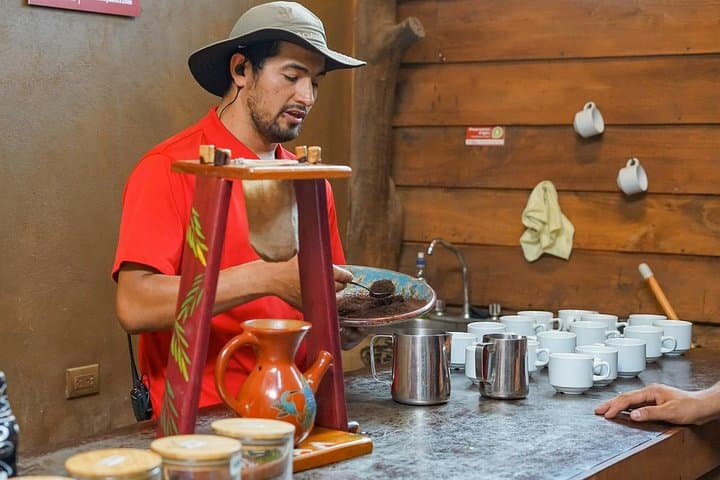

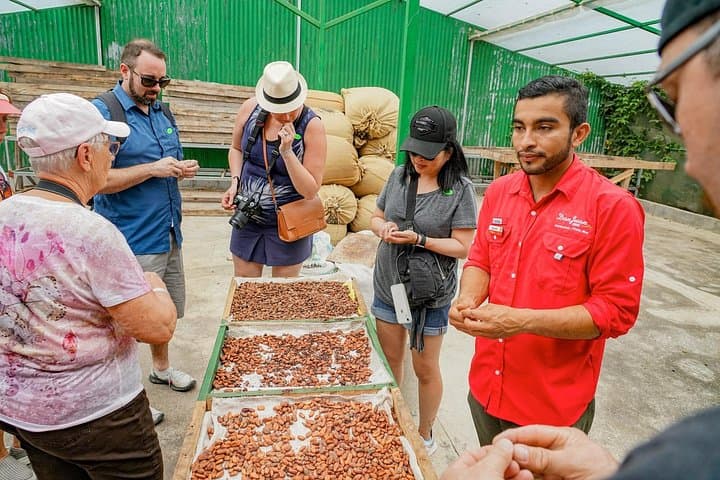
Fog and sun trade places over a patchwork of terraces as you step from the visitor center onto cemented paths. The air smells of wet earth and roasting beans; sugar cane stalks rustle like a chorus leaning toward the light. A local guide leads the group along accessible trails through rows of coffee shrubs, cacao trees and cane fields, pausing to pluck a ripe bean or press a cane stem for a fresh shot of juice.
Fog and sun trade places over a patchwork of terraces as you step from the visitor center onto cemented paths. The air smells of wet earth and roasting beans; sugar cane stalks rustle like a chorus leaning toward the light. A local guide leads the group along accessible trails through rows of coffee shrubs, cacao trees and cane fields, pausing to pluck a ripe bean or press a cane stem for a fresh shot of juice.
These three crops carry layers of history — cacao first cultivated by Indigenous peoples, sugar cane shaping colonial economies, and coffee driving Costa Rica’s 19th‑century export boom. Geology here is young volcanic soil on the Tilarán Range; it gives the crops acidity and depth, and sends mist down the slopes that the plants drink like a tide. Culturally, smallholder farms and family-run processing facilities keep methods hands-on: you’ll see fermentation boxes for cacao, hulling tables for beans, and rustic presses for cane.
Practical guidance: the route is fully paved and wheelchair-friendly, lasting about two hours with tasting stops included. Expect uneven steps at some buildings and occasional mud near processing areas when it rains; closed-toe shoes are recommended even on cement. Bring a small backpack for purchases from the onsite gift shop, and a refillable water bottle — tastings are generous but you’ll want water afterward. Morning tours are cooler and less crowded; afternoons bring softer light for photos.
The tour blends sensory tasting with clear explanations of farming, processing and sustainability, making it ideal for families, food lovers and anyone curious how everyday flavors begin on the plant.