THE ADVENTURE COLLECTIVE® · Independent discovery and booking for outdoor travel

Stand above the cloud layer on the Monteverde hanging bridges and watch the cloud forest come alive. This guided 2–3 hour birdwatching experience focuses on canopy species like the Resplendent Quetzal and Emerald Toucanet, with local naturalists leading quiet, optics-assisted searches.
Stand above the cloud layer on the Monteverde hanging bridges and watch the cloud forest come alive. This guided 2–3 hour birdwatching experience focuses on canopy species like the Resplendent Quetzal and Emerald Toucanet, with local naturalists leading quiet, optics-assisted searches.
You step onto a swaying bridge and the forest rises to meet you: damp air pulls at your jacket, moss drips from the railings, and the canopy opens into a patchwork of trunks and leaves where birds call like distant instruments. The hanging bridges in Monteverde raise you into the zone where cloud, canopy and life intersect — the best vantage for spotting emerald toucanets, copperhead hummingbirds and, on luck and timing, the emblematic Resplendent Quetzal.
Verified experiences and guided adventures in the surrounding area.
Operated by Johnny loves nature · Monteverde, Puntarenas
You step onto a swaying bridge and the forest rises to meet you: damp air pulls at your jacket, moss drips from the railings, and the canopy opens into a patchwork of trunks and leaves where birds call like distant instruments. The hanging bridges in Monteverde raise you into the zone where cloud, canopy and life intersect — the best vantage for spotting emerald toucanets, copperhead hummingbirds and, on luck and timing, the emblematic Resplendent Quetzal.
Geology and history shape the scene. The cloud forest sits at roughly 1,200–1,600 meters above sea level on volcanic terrain that traps moisture, feeding the persistent mist and the dense growth of epiphytes and more than 90 native avocado species unique to the region. Culturally, the quetzal holds deep significance across pre‑Columbian Central America; here it survives only where intact canopy and native fruit trees remain.
Guides use the bridges as observation platforms: short, quiet walks of 2–3 km total with minimal elevation change let you scan trunks, undersides of leaves and fruiting trees. The tour moves deliberately — early morning is prime: birds are active, light is soft and the mist sculpts the scene.
Practical guidance: expect narrow, slightly damp boardwalks and brief pauses to watch and photograph; optics are often provided, but bring your own binoculars if you have them. Wear grippy shoes and layers, carry water and a small pack, and move quietly to increase your chances of close views. Respect trails and stay with your guide — this low-impact etiquette helps keep the forest healthy for the next watchful eye.
Sightings are possible but not guaranteed; early morning tours and quiet, patient observation around fruiting trees increase chances.
Yes — the tour is rated easy with short, gentle walks and bridge access, but notify guides of mobility concerns during booking.
Some operators provide optic gear, but bringing personal binoculars ensures quicker, more comfortable viewing.
Bird activity remains good year-round, with mornings in the dry season (December–April) offering clearer conditions and the wet season (May–November) producing more fruiting and breeding activity.
Johnny loves nature operates guided outdoor trips and adventures with an emphasis on safety, stewardship, and memorable experiences.
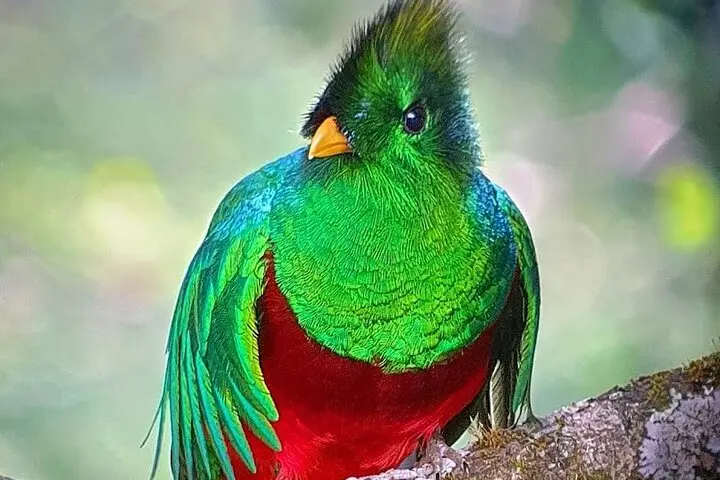
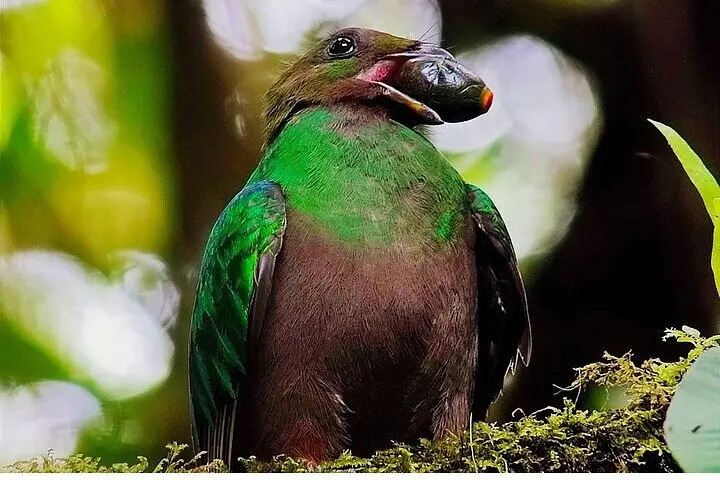
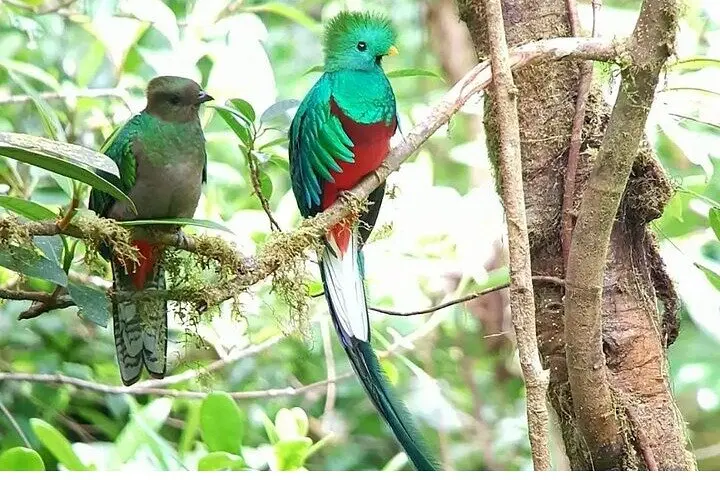
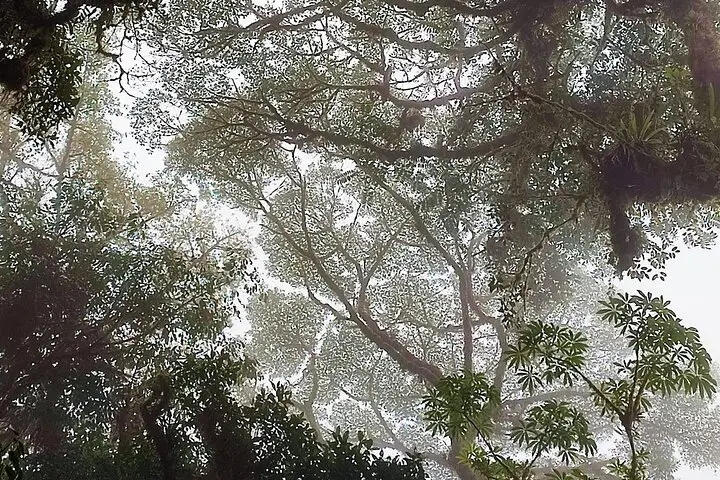
You step onto a swaying bridge and the forest rises to meet you: damp air pulls at your jacket, moss drips from the railings, and the canopy opens into a patchwork of trunks and leaves where birds call like distant instruments. The hanging bridges in Monteverde raise you into the zone where cloud, canopy and life intersect — the best vantage for spotting emerald toucanets, copperhead hummingbirds and, on luck and timing, the emblematic Resplendent Quetzal.
You step onto a swaying bridge and the forest rises to meet you: damp air pulls at your jacket, moss drips from the railings, and the canopy opens into a patchwork of trunks and leaves where birds call like distant instruments. The hanging bridges in Monteverde raise you into the zone where cloud, canopy and life intersect — the best vantage for spotting emerald toucanets, copperhead hummingbirds and, on luck and timing, the emblematic Resplendent Quetzal.
Geology and history shape the scene. The cloud forest sits at roughly 1,200–1,600 meters above sea level on volcanic terrain that traps moisture, feeding the persistent mist and the dense growth of epiphytes and more than 90 native avocado species unique to the region. Culturally, the quetzal holds deep significance across pre‑Columbian Central America; here it survives only where intact canopy and native fruit trees remain.
Guides use the bridges as observation platforms: short, quiet walks of 2–3 km total with minimal elevation change let you scan trunks, undersides of leaves and fruiting trees. The tour moves deliberately — early morning is prime: birds are active, light is soft and the mist sculpts the scene.
Practical guidance: expect narrow, slightly damp boardwalks and brief pauses to watch and photograph; optics are often provided, but bring your own binoculars if you have them. Wear grippy shoes and layers, carry water and a small pack, and move quietly to increase your chances of close views. Respect trails and stay with your guide — this low-impact etiquette helps keep the forest healthy for the next watchful eye.