THE ADVENTURE COLLECTIVE® · Independent discovery and booking for outdoor travel

Step into Monteverde after dark on a two-hour private night walk — guides use optics and soft lighting to reveal sloths, kinkajous, tarantulas and bioluminescent fungi in the cloud forest. Expect muddy trails, cool mist, and a focus on quiet, patient wildlife viewing.
Step into Monteverde after dark on a two-hour private night walk — guides use optics and soft lighting to reveal sloths, kinkajous, tarantulas and bioluminescent fungi in the cloud forest. Expect muddy trails, cool mist, and a focus on quiet, patient wildlife viewing.
Dusk thickens into cloud and the Monteverde canopy takes on a different voice — wings slicing the mist, leaves whispering under small feet. On a two-hour Private Night Walk, guides move deliberately along narrow trails, beamlights cutting arcs through ferns and bromeliads to reveal eyes and scales that daytime rarely shows.
Verified experiences and guided adventures in the surrounding area.
Operated by Johnny loves nature · Santa Elena, Puntarenas
Dusk thickens into cloud and the Monteverde canopy takes on a different voice — wings slicing the mist, leaves whispering under small feet. On a two-hour Private Night Walk, guides move deliberately along narrow trails, beamlights cutting arcs through ferns and bromeliads to reveal eyes and scales that daytime rarely shows.
The Monteverde cloud forest sits on volcanic ridges at roughly 1,300–1,600 m, its soils rich and its weather changeable. Conservation efforts that began in the 1970s helped protect these forests and the nocturnal life that depends on them. The geology — steep slopes and high humidity — creates the moss-draped, hanging-liana corridors that make night viewing both intimate and unpredictable.
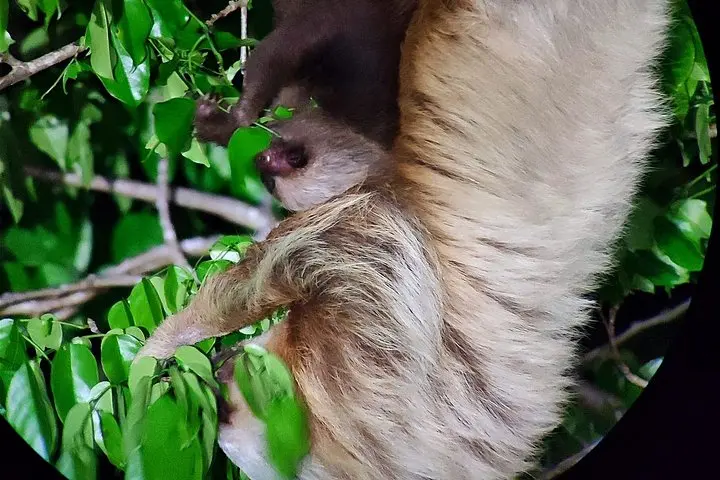
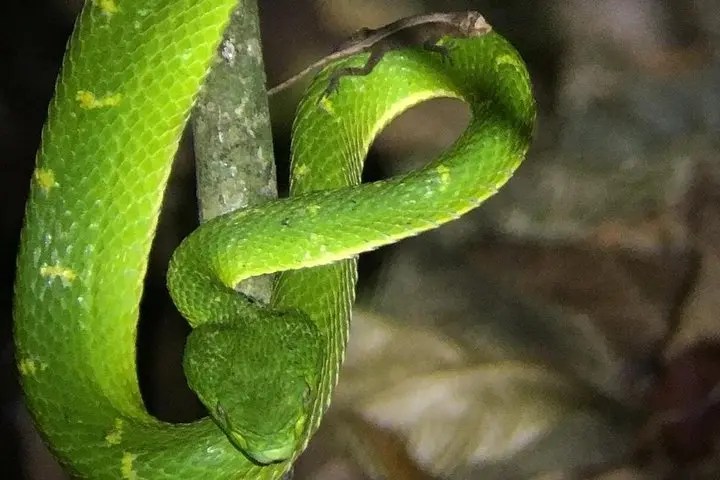
Local guides, schooled in animal calls and microhabitat clues, use optics and soft red light to point out kinkajous, two-toed sloths, palm vipers, tarantulas and bioluminescent fungi. Culture here blends small-town hospitality in Santa Elena with a conservation ethic: silence, patience and respect for animals’ space.
Practicalities: tours last two hours on uneven, often muddy trails — expect roughly 2–4 km of walking with minimal elevation change but slippery surfaces. Organizers typically supply handheld lights and optics; bring a headlamp with a red filter, waterproof footwear, warm layers and insect repellent. Avoid flash photography and sudden movements; sightings are never guaranteed, but a quiet approach increases odds dramatically. Book ahead for private groups, and note the common 24-hour cancellation window. The night forest rewards those who listen as much as those who look.
Yes — the tour is marketed as suitable for all fitness levels, but participants should be able to walk for two hours on uneven ground; check with the operator about specific age limits.
No sightings can be guaranteed; guides maximize opportunities using experience and optics, but wildlife is naturally unpredictable.
Avoid using flash; it disturbs animals and can ruin sightings. Low-light cameras or using a red light and slow shutter settings are better alternatives.
The common policy allows a full refund if canceled at least 24 hours before departure; confirm exact terms at booking.
Johnny loves nature operates guided outdoor trips and adventures with an emphasis on safety, stewardship, and memorable experiences.
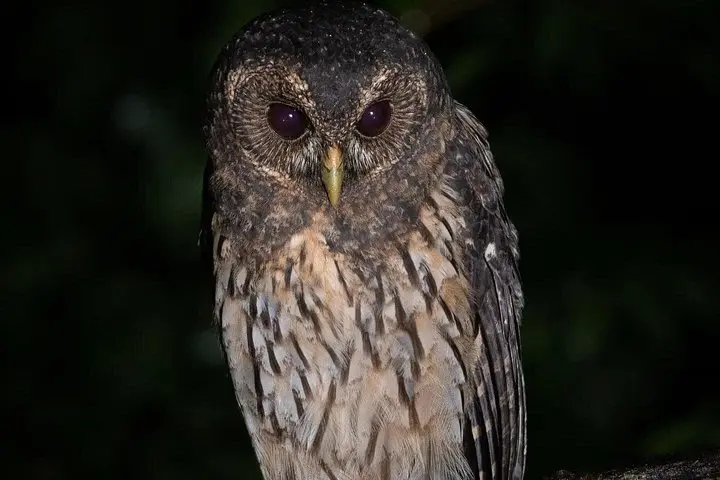
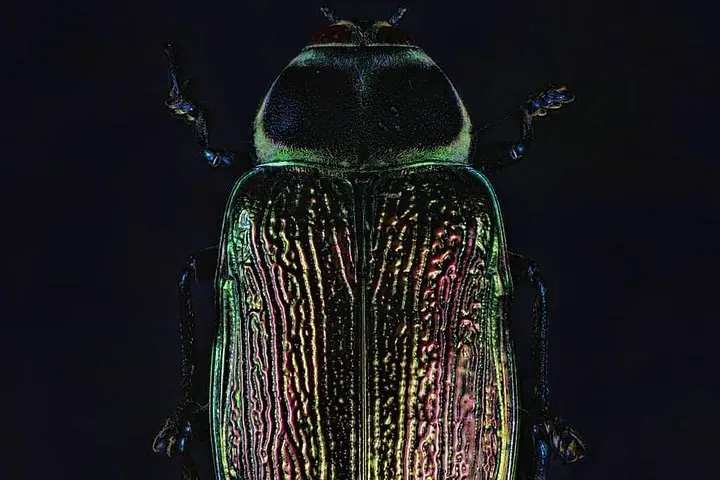
Dusk thickens into cloud and the Monteverde canopy takes on a different voice — wings slicing the mist, leaves whispering under small feet. On a two-hour Private Night Walk, guides move deliberately along narrow trails, beamlights cutting arcs through ferns and bromeliads to reveal eyes and scales that daytime rarely shows.
Dusk thickens into cloud and the Monteverde canopy takes on a different voice — wings slicing the mist, leaves whispering under small feet. On a two-hour Private Night Walk, guides move deliberately along narrow trails, beamlights cutting arcs through ferns and bromeliads to reveal eyes and scales that daytime rarely shows.
The Monteverde cloud forest sits on volcanic ridges at roughly 1,300–1,600 m, its soils rich and its weather changeable. Conservation efforts that began in the 1970s helped protect these forests and the nocturnal life that depends on them. The geology — steep slopes and high humidity — creates the moss-draped, hanging-liana corridors that make night viewing both intimate and unpredictable.
Local guides, schooled in animal calls and microhabitat clues, use optics and soft red light to point out kinkajous, two-toed sloths, palm vipers, tarantulas and bioluminescent fungi. Culture here blends small-town hospitality in Santa Elena with a conservation ethic: silence, patience and respect for animals’ space.
Practicalities: tours last two hours on uneven, often muddy trails — expect roughly 2–4 km of walking with minimal elevation change but slippery surfaces. Organizers typically supply handheld lights and optics; bring a headlamp with a red filter, waterproof footwear, warm layers and insect repellent. Avoid flash photography and sudden movements; sightings are never guaranteed, but a quiet approach increases odds dramatically. Book ahead for private groups, and note the common 24-hour cancellation window. The night forest rewards those who listen as much as those who look.