THE ADVENTURE COLLECTIVE® · Independent discovery and booking for outdoor travel

Step into Monteverde after dark on a guided 2 km walk through the cloud forest. Learn how to spot sloths, kinkajous, frogs and tarantulas while a certified naturalist explains the area’s natural and cultural history.
Step into Monteverde after dark on a guided 2 km walk through the cloud forest. Learn how to spot sloths, kinkajous, frogs and tarantulas while a certified naturalist explains the area’s natural and cultural history.
A cool, damp hush settles over the cloud forest as the sun drops behind the ridgeline and the trail lights come alive beneath tall, moss-draped trees. On the Monteverde Night Tour, guides lead small groups along roughly 2 km of uneven, forested paths at ~1,440 m elevation, where frogs chirp like distant beacons and leaves whisper underfoot.
Verified experiences and guided adventures in the surrounding area.
Operated by Jean Carlo Tours · Santa Elena, Puntarenas
A cool, damp hush settles over the cloud forest as the sun drops behind the ridgeline and the trail lights come alive beneath tall, moss-draped trees. On the Monteverde Night Tour, guides lead small groups along roughly 2 km of uneven, forested paths at ~1,440 m elevation, where frogs chirp like distant beacons and leaves whisper underfoot.
The forest here sits along Costa Rica’s continental divide and owes its persistent mist to orographic lift—moist Pacific air pushed up over volcanic highlands. Monteverde’s modern conservation history is tied to mid-20th-century settlers and scientists who protected parcels of these high-elevation woods; today the area is a patchwork of reserves and private preserves rich in endemic amphibians and cloud-forest specialists.
Culturally, local naturalist guides combine scientific know-how with an eye for stealth—moving slowly, pointing, and letting the forest reveal kinkajous, two- and three-toed sloths, nocturnal birds and a carpet of insects and spiders. Geology shows in the acidic, well-drained soils and the roots that crisscross narrow trails.
Practical notes: the walk lasts about two hours, covers ~2 km on narrow, sometimes muddy trails with roots and low branches. Tours typically include flashlights, a spotting scope and a certified naturalist; groups are capped (often under 10). Wear grippy closed-toe shoes, bring a waterproof layer and insect repellent, and keep voices low to increase sightings. The best times are early evening or after dusk when nocturnal activity peaks—plan for cool, damp conditions and leave no trace to protect this fragile habitat.
The tour lasts about 2 hours and covers roughly 2 km of forest trails, usually at a slow observational pace.
No wildlife sighting is guaranteed, but nocturnal timing and experienced guides significantly increase chances of seeing sloths, kinkajous, frogs and other night-active species.
The tour is rated easy and suitable for most ages, but trails are uneven; infants must sit on laps and participants should be able to manage short stretches of uneven ground.
Guides typically provide flashlights; bring a headlamp, rainlayer, closed‑toe shoes and insect repellent for the best experience.
Jean Carlo Tours operates guided outdoor trips and adventures with an emphasis on safety, stewardship, and memorable experiences.
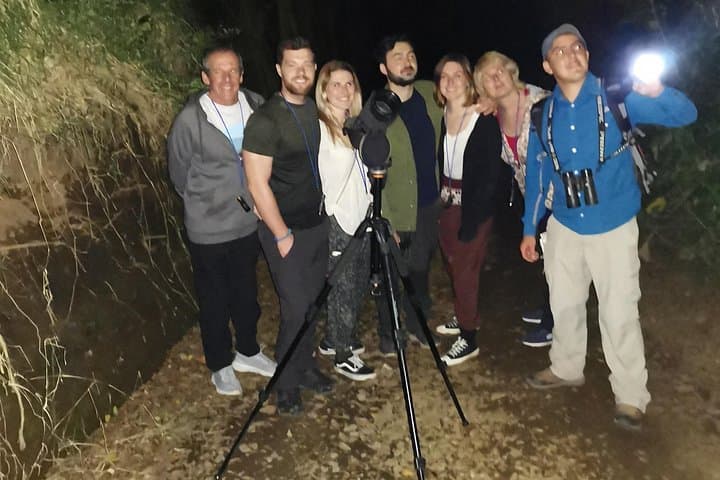
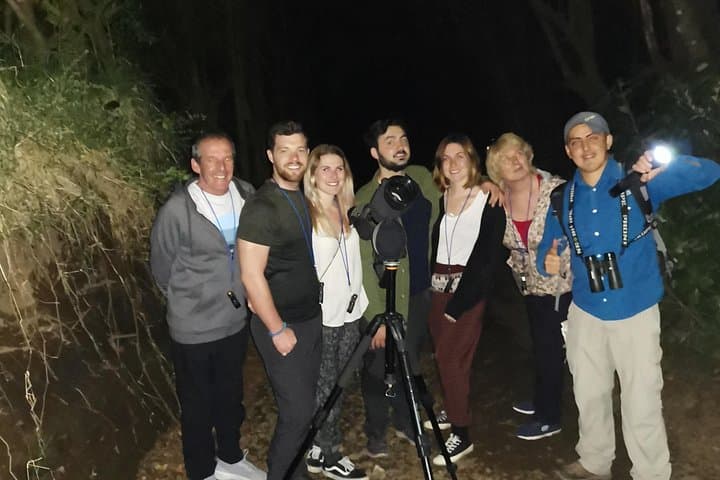
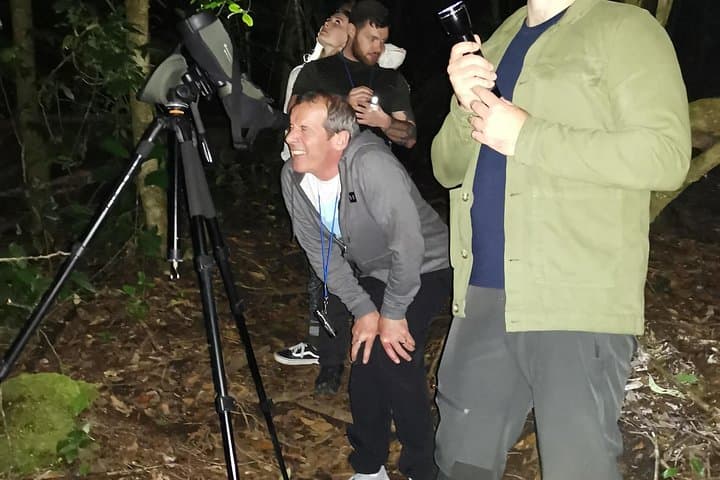
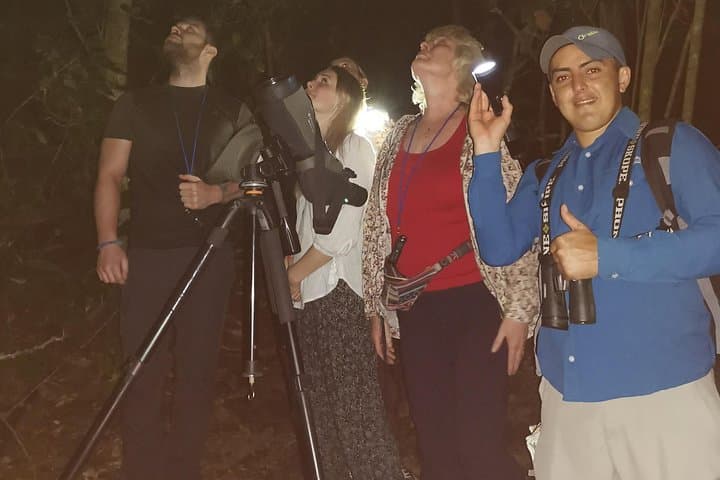
A cool, damp hush settles over the cloud forest as the sun drops behind the ridgeline and the trail lights come alive beneath tall, moss-draped trees. On the Monteverde Night Tour, guides lead small groups along roughly 2 km of uneven, forested paths at ~1,440 m elevation, where frogs chirp like distant beacons and leaves whisper underfoot.
A cool, damp hush settles over the cloud forest as the sun drops behind the ridgeline and the trail lights come alive beneath tall, moss-draped trees. On the Monteverde Night Tour, guides lead small groups along roughly 2 km of uneven, forested paths at ~1,440 m elevation, where frogs chirp like distant beacons and leaves whisper underfoot.
The forest here sits along Costa Rica’s continental divide and owes its persistent mist to orographic lift—moist Pacific air pushed up over volcanic highlands. Monteverde’s modern conservation history is tied to mid-20th-century settlers and scientists who protected parcels of these high-elevation woods; today the area is a patchwork of reserves and private preserves rich in endemic amphibians and cloud-forest specialists.
Culturally, local naturalist guides combine scientific know-how with an eye for stealth—moving slowly, pointing, and letting the forest reveal kinkajous, two- and three-toed sloths, nocturnal birds and a carpet of insects and spiders. Geology shows in the acidic, well-drained soils and the roots that crisscross narrow trails.
Practical notes: the walk lasts about two hours, covers ~2 km on narrow, sometimes muddy trails with roots and low branches. Tours typically include flashlights, a spotting scope and a certified naturalist; groups are capped (often under 10). Wear grippy closed-toe shoes, bring a waterproof layer and insect repellent, and keep voices low to increase sightings. The best times are early evening or after dusk when nocturnal activity peaks—plan for cool, damp conditions and leave no trace to protect this fragile habitat.