THE ADVENTURE COLLECTIVE® · Independent discovery and booking for outdoor travel

Step into Monteverde after sunset for a guided two-hour night walk among amphibians, reptiles, mammals and insects. Small-group tours use flashlights and a spotting scope to reveal the forest’s nocturnal activity while local guides interpret what you see.
Step into Monteverde after sunset for a guided two-hour night walk among amphibians, reptiles, mammals and insects. Small-group tours use flashlights and a spotting scope to reveal the forest’s nocturnal activity while local guides interpret what you see.
The trail opens under a low, blue dusk; cloud forest silhouettes deepen around you and the first frogs begin to call. A guide sweeps a flashlight across leaf litter and mossy trunks, and suddenly a glossy eye reflects back — the night here is active, alert, and watching.
Verified experiences and guided adventures in the surrounding area.
Operated by Wildlife Journeys Cr · Monteverde, Puntarenas
The trail opens under a low, blue dusk; cloud forest silhouettes deepen around you and the first frogs begin to call. A guide sweeps a flashlight across leaf litter and mossy trunks, and suddenly a glossy eye reflects back — the night here is active, alert, and watching.
Monteverde sits on a volcanic ridge above the Nicoya Peninsula, its soils rich from ancient lava flows and shaped by persistent cloud and rain. The reserve and surrounding wildlife refuges grew from conservation efforts in the 1970s when settlers and scientists protected high-elevation forest that shelters countless amphibians, reptiles, mammals and insects. Local culture blends Costa Rican rural life with a strong conservation ethic; guides often grew up here and read the forest like a map.
Expect narrow forest trails, wet leaves, and sections of exposed roots at roughly 1,400 m elevation — the terrain is uneven and quietly demanding. The tour runs about two hours, beginning at 6:00 p.m., and focuses on spotting amphibians, reptiles, arachnids, mammals and insects using provided flashlights and a spotting scope for distant observation. Guides move slowly, tuning to sound as much as sight; silence is part of the method.
Practical notes: wear waterproof, grippy footwear and a quiet rain layer, bring closed-toe shoes and insect repellent, and conserve battery power in cameras and phones. If you have mobility or cardiovascular issues, discuss options with the operator — the route can be slippery, and groups are small. For photographers, a fast, high-ISO camera and a red-filter headlamp preserve night vision and improve shots. The experience is part natural history lesson, part low-light treasure hunt — expect surprises and the steady, patient work of finding animals that prefer the cover of dark.
Yes — the tour includes flashlights and an HD spotting scope for group viewing; guides may ask you to avoid bright phone flashes.
Children are welcome but should be old enough to walk quietly on uneven trails and follow guide instructions; check age limits with the operator.
Expect frogs, tree frogs, toads, nocturnal reptiles like geckos, insects and occasionally small mammals and owls; sightings aren’t guaranteed but guides focus on likely hotspots.
The tour starts at a wildlife refuge near Monteverde/Santa Elena; public transport options exist nearby, but many visitors travel from Santa Elena by taxi or shuttle — confirm pickup details when booking.
Wildlife Journeys Cr operates guided outdoor trips and adventures with an emphasis on safety, stewardship, and memorable experiences.
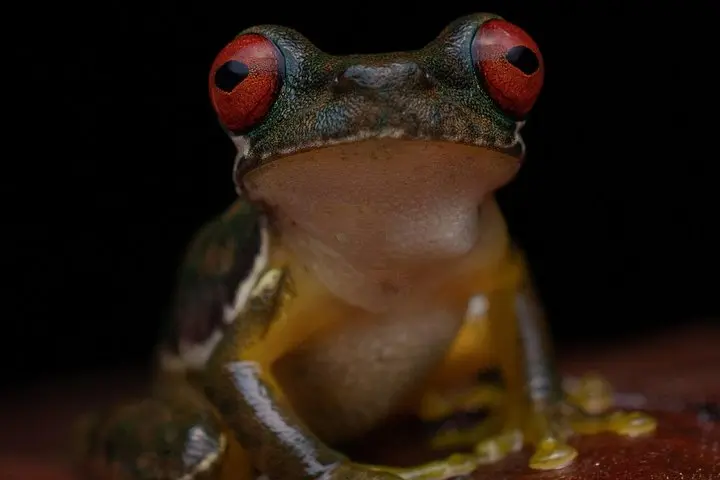
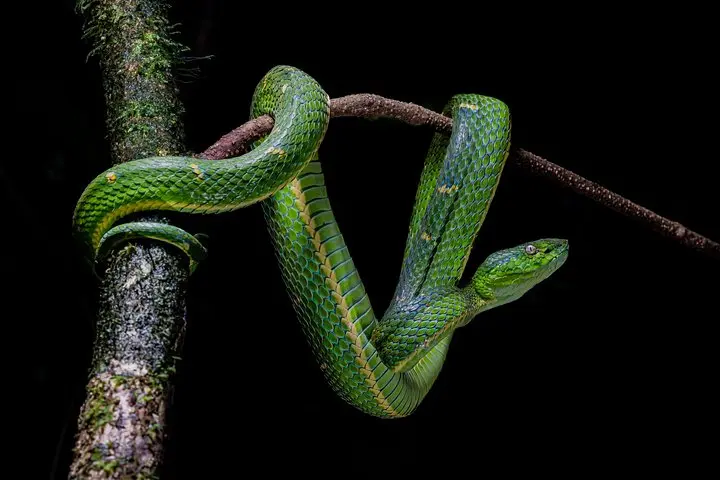
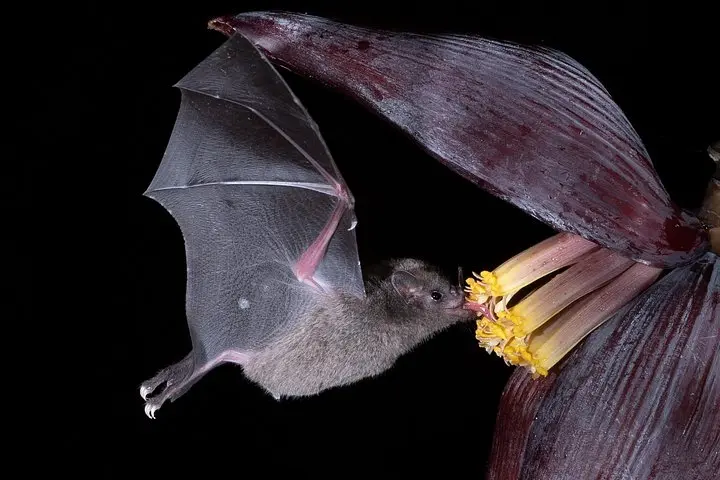
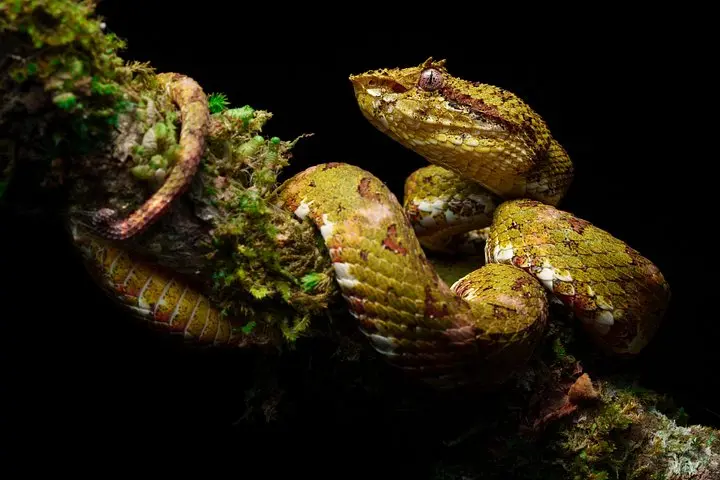
The trail opens under a low, blue dusk; cloud forest silhouettes deepen around you and the first frogs begin to call. A guide sweeps a flashlight across leaf litter and mossy trunks, and suddenly a glossy eye reflects back — the night here is active, alert, and watching.
The trail opens under a low, blue dusk; cloud forest silhouettes deepen around you and the first frogs begin to call. A guide sweeps a flashlight across leaf litter and mossy trunks, and suddenly a glossy eye reflects back — the night here is active, alert, and watching.
Monteverde sits on a volcanic ridge above the Nicoya Peninsula, its soils rich from ancient lava flows and shaped by persistent cloud and rain. The reserve and surrounding wildlife refuges grew from conservation efforts in the 1970s when settlers and scientists protected high-elevation forest that shelters countless amphibians, reptiles, mammals and insects. Local culture blends Costa Rican rural life with a strong conservation ethic; guides often grew up here and read the forest like a map.
Expect narrow forest trails, wet leaves, and sections of exposed roots at roughly 1,400 m elevation — the terrain is uneven and quietly demanding. The tour runs about two hours, beginning at 6:00 p.m., and focuses on spotting amphibians, reptiles, arachnids, mammals and insects using provided flashlights and a spotting scope for distant observation. Guides move slowly, tuning to sound as much as sight; silence is part of the method.
Practical notes: wear waterproof, grippy footwear and a quiet rain layer, bring closed-toe shoes and insect repellent, and conserve battery power in cameras and phones. If you have mobility or cardiovascular issues, discuss options with the operator — the route can be slippery, and groups are small. For photographers, a fast, high-ISO camera and a red-filter headlamp preserve night vision and improve shots. The experience is part natural history lesson, part low-light treasure hunt — expect surprises and the steady, patient work of finding animals that prefer the cover of dark.