THE ADVENTURE COLLECTIVE® · Independent discovery and booking for outdoor travel

Explore Monteverde’s cloud forest after dark with a local naturalist on a small-group night walk. Expect close-up nocturnal wildlife sightings, humid trails, and practical tips for photographing animals in low light.
Explore Monteverde’s cloud forest after dark with a local naturalist on a small-group night walk. Expect close-up nocturnal wildlife sightings, humid trails, and practical tips for photographing animals in low light.
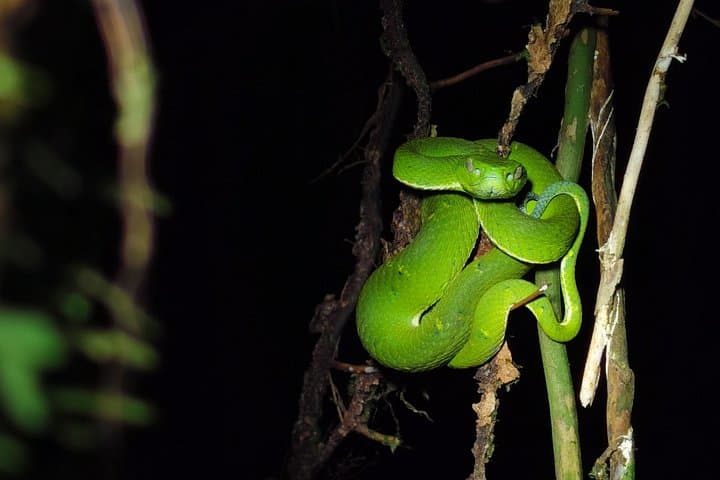
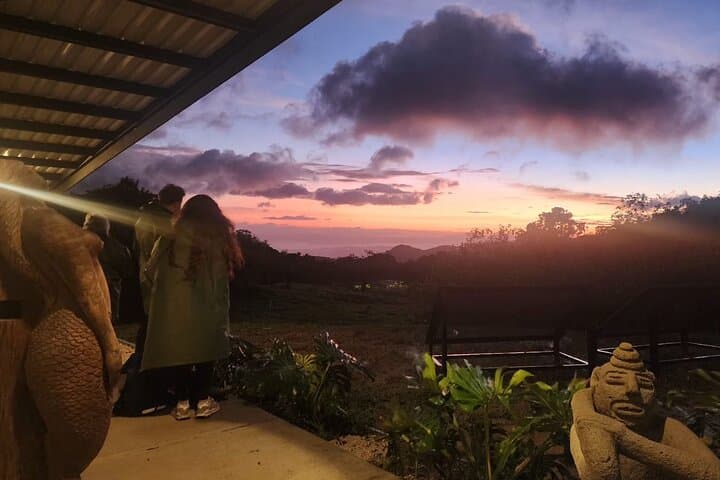
Damp leaves sigh underfoot as your guide's flashlight pins a silver eye to a leaf — a red-eyed tree frog frozen on patrol. The path slips through low cloud and moss-draped oaks, and the forest feels awake in a different register: insects stitch the air, frogs call like distant bells, and branches creak as kinkajous move overhead. This is Monteverde after dark, a private trail beyond the busiest reserves where a local naturalist leads small groups to encounter species that only emerge at night.
Verified experiences and guided adventures in the surrounding area.
Operated by Monteverde Tours. · Santa Elena, Puntarenas
Damp leaves sigh underfoot as your guide's flashlight pins a silver eye to a leaf — a red-eyed tree frog frozen on patrol. The path slips through low cloud and moss-draped oaks, and the forest feels awake in a different register: insects stitch the air, frogs call like distant bells, and branches creak as kinkajous move overhead. This is Monteverde after dark, a private trail beyond the busiest reserves where a local naturalist leads small groups to encounter species that only emerge at night.
The Monteverde region sits on the continental divide where uplifted volcanic soils meet persistent trade winds. That geology creates the cloud forest’s unique microclimate — cool, humid, and rich in epiphytes — which in turn supports a high density of nocturnal life. Culturally, the area blends Costa Rican campesino traditions with a history of conservation led by early settlers and scientists who helped protect the forest for research and tourism.
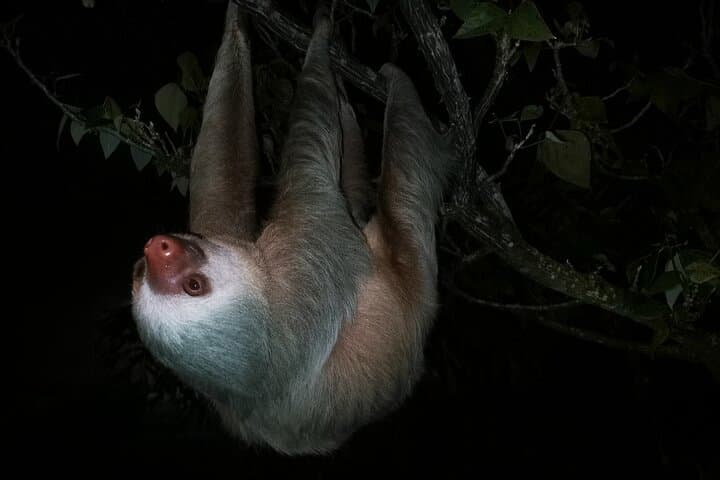
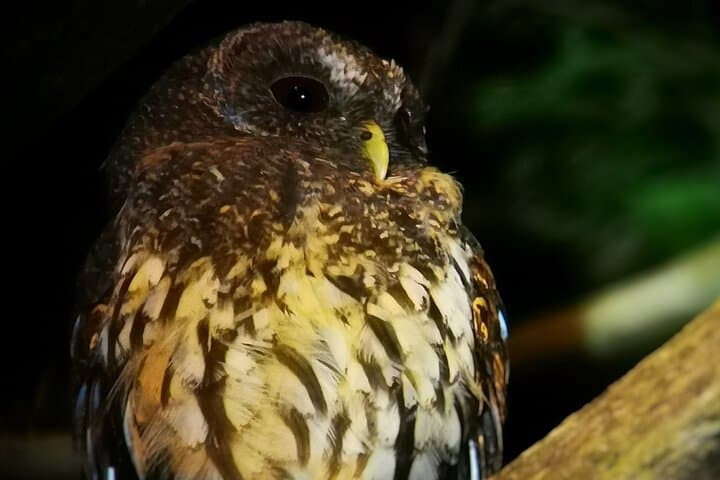
Expect slow, deliberate walking on uneven, sometimes muddy trails; animals reveal themselves in sudden flashes rather than long views. Guides use quiet observation, low-beam lights and sometimes a telescope to show owl eyes, tarantulas, armadillos, and sleeping sloths.
Practical guidance: dress in layers and quick-dry fabrics, bring a reliable headlamp and spare batteries, and wear sturdy, closed-toe shoes with grip. Keep voices low and avoid flash photography to protect wildlife behavior and maximize sightings. The tour typically includes transport from the Monteverde/Santa Elena area and runs about 2–3 hours — perfect for nature lovers and photographers who can work in low light and patient pacing.
Most tours include pickup from central meeting points in Santa Elena; confirm your pickup location when booking.
Children are typically allowed but may need to be supervised closely; check age restrictions and safety guidance with the operator.
No — guides ask participants to avoid flash to prevent stressing wildlife and to preserve natural behavior.
The trail is uneven and may be muddy with roots and slight slopes; it is not suitable for wheelchairs and may be challenging for limited-mobility guests.
Monteverde Tours. operates guided outdoor trips and adventures with an emphasis on safety, stewardship, and memorable experiences.
Damp leaves sigh underfoot as your guide's flashlight pins a silver eye to a leaf — a red-eyed tree frog frozen on patrol. The path slips through low cloud and moss-draped oaks, and the forest feels awake in a different register: insects stitch the air, frogs call like distant bells, and branches creak as kinkajous move overhead. This is Monteverde after dark, a private trail beyond the busiest reserves where a local naturalist leads small groups to encounter species that only emerge at night.
Damp leaves sigh underfoot as your guide's flashlight pins a silver eye to a leaf — a red-eyed tree frog frozen on patrol. The path slips through low cloud and moss-draped oaks, and the forest feels awake in a different register: insects stitch the air, frogs call like distant bells, and branches creak as kinkajous move overhead. This is Monteverde after dark, a private trail beyond the busiest reserves where a local naturalist leads small groups to encounter species that only emerge at night.
The Monteverde region sits on the continental divide where uplifted volcanic soils meet persistent trade winds. That geology creates the cloud forest’s unique microclimate — cool, humid, and rich in epiphytes — which in turn supports a high density of nocturnal life. Culturally, the area blends Costa Rican campesino traditions with a history of conservation led by early settlers and scientists who helped protect the forest for research and tourism.
Expect slow, deliberate walking on uneven, sometimes muddy trails; animals reveal themselves in sudden flashes rather than long views. Guides use quiet observation, low-beam lights and sometimes a telescope to show owl eyes, tarantulas, armadillos, and sleeping sloths.
Practical guidance: dress in layers and quick-dry fabrics, bring a reliable headlamp and spare batteries, and wear sturdy, closed-toe shoes with grip. Keep voices low and avoid flash photography to protect wildlife behavior and maximize sightings. The tour typically includes transport from the Monteverde/Santa Elena area and runs about 2–3 hours — perfect for nature lovers and photographers who can work in low light and patient pacing.