THE ADVENTURE COLLECTIVE® · Independent discovery and booking for outdoor travel

Cross Lake Arenal by boat, then continue by road to La Fortuna. This scenic transfer combines wide-water views of Arenal Volcano with rural landscapes and a short land drive — a practical, unforgettable way to move between Monteverde and La Fortuna.
Cross Lake Arenal by boat, then continue by road to La Fortuna. This scenic transfer combines wide-water views of Arenal Volcano with rural landscapes and a short land drive — a practical, unforgettable way to move between Monteverde and La Fortuna.
Morning light slices across Lake Arenal as the boat slips away from the Monteverde shore — palms lean like quiet witnesses and the water pushes you forward toward the volcano’s silhouette. The crossing is the day’s backbone: slow, wide-open water that reflects clouds, with the Arenal massif looming to the east and low ridgelines behind you.
Verified experiences and guided adventures in the surrounding area.
Operated by Costa Rica Itinerary · Monteverde, Puntarenas Province
Morning light slices across Lake Arenal as the boat slips away from the Monteverde shore — palms lean like quiet witnesses and the water pushes you forward toward the volcano’s silhouette. The crossing is the day’s backbone: slow, wide-open water that reflects clouds, with the Arenal massif looming to the east and low ridgelines behind you.
Geology and history are close at hand. Lake Arenal is Costa Rica’s largest inland reservoir, expanded in the 1970s for hydroelectric power; entire communities were relocated when water levels rose, and the shoreline still shows terraces and drowned tree trunks. The volcano itself is a young volcanic cone whose erosive past and lava flows shaped local soils, giving the region rich pastures and dense secondary forest.
Culturally, the route threads rural Guanacaste and northern Puntarenas: cattle pastures, small farms and roadside sodas where locals sell fresh coffee and plantain chips. Boat operators and drivers are part of a long tradition of linking mountain and lowland life, and they’ll often point out bird species or the tiny settlements you pass.
Practical guidance: expect roughly 3–4 hours door-to-door depending on weather and road conditions. The boat portion is calm most mornings but can feel choppy in wind; bring a waterproof layer and secure luggage. Arrange hotel pickup details in advance, and allow extra travel time during the rainy season when unpaved roads become slow. Hydrate, wear sturdy shoes for brief dock walking, and keep a small daypack with essentials — camera, sun protection, and motion-sickness medication if you’re prone to it.
Typical door-to-door time is about 3–4 hours, though exact duration depends on departure point, weather and road conditions.
Operators usually assist with luggage at pickup and drop-off docks, but expect some short, uneven dock walks — pack fragile items securely.
Yes; operators provide life jackets and often offer infant seats if requested. Always confirm requirements at booking.
Transfers operate in most weather conditions, but strong storms or unsafe road closures can delay or cancel services; check cancellation policy and weather forecasts.
Costa Rica Itinerary operates guided outdoor trips and adventures with an emphasis on safety, stewardship, and memorable experiences.
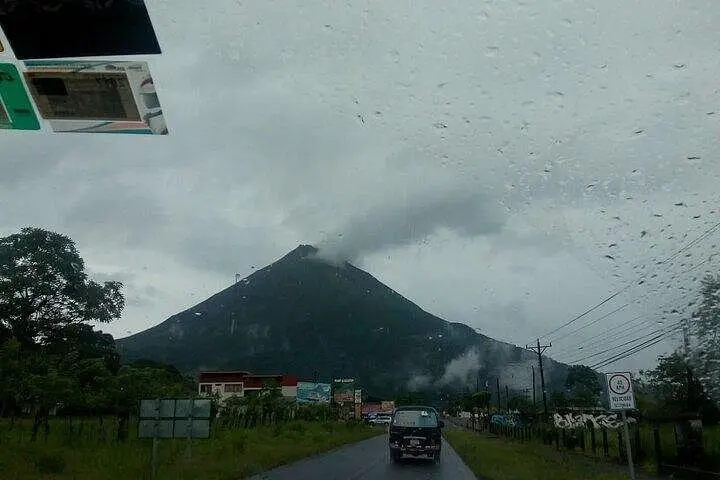
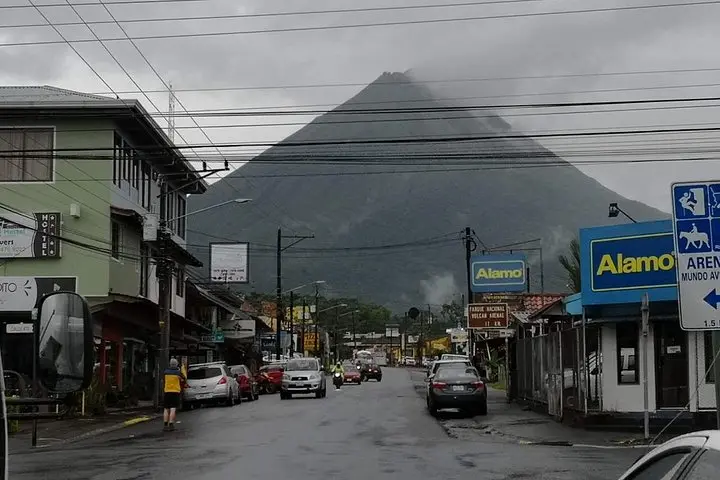
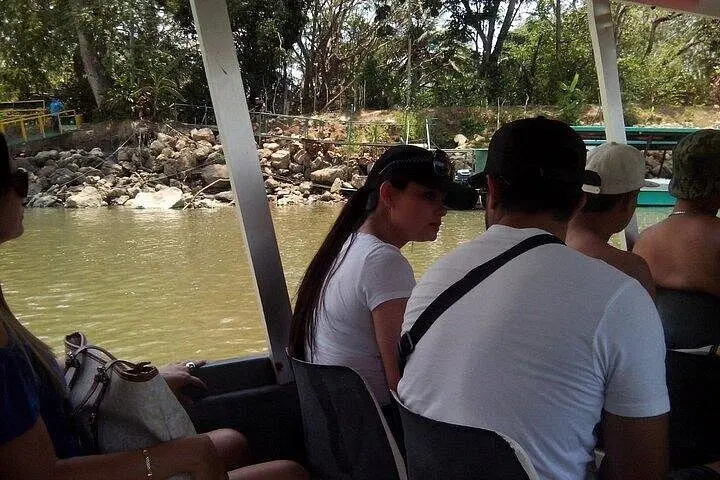
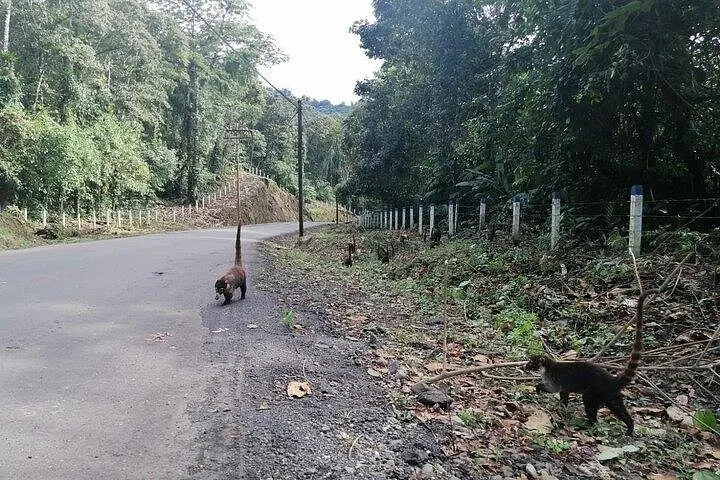
Morning light slices across Lake Arenal as the boat slips away from the Monteverde shore — palms lean like quiet witnesses and the water pushes you forward toward the volcano’s silhouette. The crossing is the day’s backbone: slow, wide-open water that reflects clouds, with the Arenal massif looming to the east and low ridgelines behind you.
Morning light slices across Lake Arenal as the boat slips away from the Monteverde shore — palms lean like quiet witnesses and the water pushes you forward toward the volcano’s silhouette. The crossing is the day’s backbone: slow, wide-open water that reflects clouds, with the Arenal massif looming to the east and low ridgelines behind you.
Geology and history are close at hand. Lake Arenal is Costa Rica’s largest inland reservoir, expanded in the 1970s for hydroelectric power; entire communities were relocated when water levels rose, and the shoreline still shows terraces and drowned tree trunks. The volcano itself is a young volcanic cone whose erosive past and lava flows shaped local soils, giving the region rich pastures and dense secondary forest.
Culturally, the route threads rural Guanacaste and northern Puntarenas: cattle pastures, small farms and roadside sodas where locals sell fresh coffee and plantain chips. Boat operators and drivers are part of a long tradition of linking mountain and lowland life, and they’ll often point out bird species or the tiny settlements you pass.
Practical guidance: expect roughly 3–4 hours door-to-door depending on weather and road conditions. The boat portion is calm most mornings but can feel choppy in wind; bring a waterproof layer and secure luggage. Arrange hotel pickup details in advance, and allow extra travel time during the rainy season when unpaved roads become slow. Hydrate, wear sturdy shoes for brief dock walking, and keep a small daypack with essentials — camera, sun protection, and motion-sickness medication if you’re prone to it.