THE ADVENTURE COLLECTIVE® · Independent discovery and booking for outdoor travel

Walk La Rambla, sample the Boqueria Market, and ride the Montjuïc funicular and cable car to a hilltop fortress. This four-hour guided tour pairs city streets with panoramic sea views for a compact Barcelona primer.
Walk La Rambla, sample the Boqueria Market, and ride the Montjuïc funicular and cable car to a hilltop fortress. This four-hour guided tour pairs city streets with panoramic sea views for a compact Barcelona primer.
You step off La Rambla into Barcelona’s shifting light: vendors call, citrus and cured ham scent the air, and the city tilts toward the sea. The guide threads the group through El Raval and the Boqueria Market, where color and chatter map a living food market and the city’s mercantile past.
Verified experiences and guided adventures in the surrounding area.
Operated by TrevoTour Travels · Barcelona, Catalonia
You step off La Rambla into Barcelona’s shifting light: vendors call, citrus and cured ham scent the air, and the city tilts toward the sea. The guide threads the group through El Raval and the Boqueria Market, where color and chatter map a living food market and the city’s mercantile past.
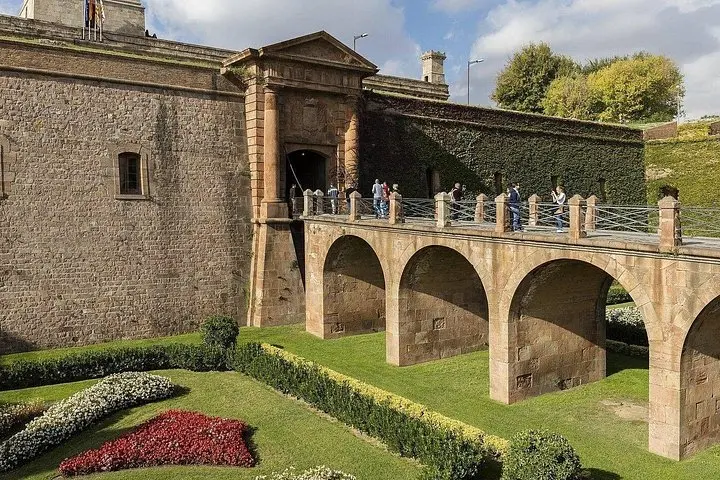
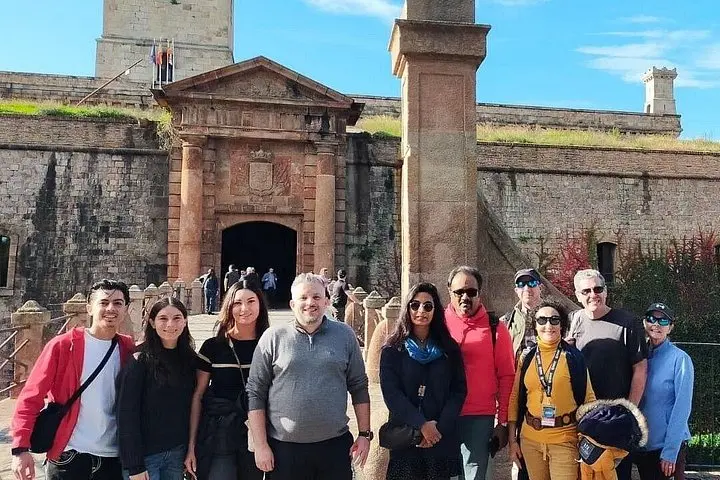
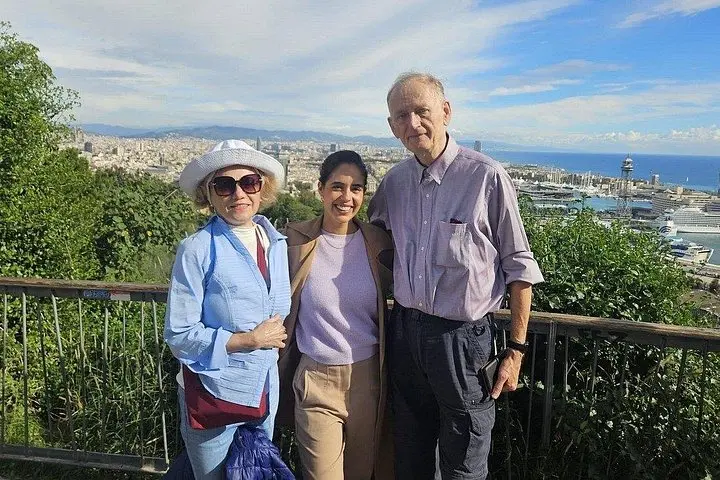
From street-level bustle the tour climbs—by funicular then cable car—up Montjuïc, where the Mediterranean breeze pushes against the fortress walls and the city’s grid opens into a fan of rooftops and harbor cranes. Montjuïc Castle, a nineteenth-century fortification with earlier military uses, perches on volcanic outcrops formed by ancient lava flows that shaped this low hill and the surrounding coastline.
Culturally, the route stitches Gaudí’s playful geometry at Güell Palace with working-class alleys and the Olympic-era interventions in Parc Montjuïc, offering a compact history of Barcelona’s urban evolution: medieval lanes, modernist experiments, and twentieth-century civic projects.
Practically, expect four hours of mixed walking and short transfers via funicular and cable car; the tour is paced for general fitness. Bring comfortable shoes for cobbles and slopes, a small daypack, water, and sun protection in summer. Photography is straightforward from the cable car and castle terraces but mindful of pickpockets in crowded markets—keep valuables secure.
This is a balanced half-day for first-time visitors who want architectural highlights, market flavors, hilltop panoramas, and the simple thrill of rising above the city on a glass-sided cable car.
Yes—round-trip cable car (and funicular) tickets up Montjuïc are included as part of the tour.
Children are welcome but some uphill paths and castle stairs may be awkward for strollers; infants must sit on an adult’s lap per operator policy.
Most tours start on or near La Rambla in the Old Town and return there after descending from Montjuïc by cable car.
The operator notes the tour is not recommended for people with limited mobility due to stairs and hill sections; contact the provider for specific needs.
TrevoTour Travels operates guided outdoor trips and adventures with an emphasis on safety, stewardship, and memorable experiences.
You step off La Rambla into Barcelona’s shifting light: vendors call, citrus and cured ham scent the air, and the city tilts toward the sea. The guide threads the group through El Raval and the Boqueria Market, where color and chatter map a living food market and the city’s mercantile past.
You step off La Rambla into Barcelona’s shifting light: vendors call, citrus and cured ham scent the air, and the city tilts toward the sea. The guide threads the group through El Raval and the Boqueria Market, where color and chatter map a living food market and the city’s mercantile past.
From street-level bustle the tour climbs—by funicular then cable car—up Montjuïc, where the Mediterranean breeze pushes against the fortress walls and the city’s grid opens into a fan of rooftops and harbor cranes. Montjuïc Castle, a nineteenth-century fortification with earlier military uses, perches on volcanic outcrops formed by ancient lava flows that shaped this low hill and the surrounding coastline.
Culturally, the route stitches Gaudí’s playful geometry at Güell Palace with working-class alleys and the Olympic-era interventions in Parc Montjuïc, offering a compact history of Barcelona’s urban evolution: medieval lanes, modernist experiments, and twentieth-century civic projects.
Practically, expect four hours of mixed walking and short transfers via funicular and cable car; the tour is paced for general fitness. Bring comfortable shoes for cobbles and slopes, a small daypack, water, and sun protection in summer. Photography is straightforward from the cable car and castle terraces but mindful of pickpockets in crowded markets—keep valuables secure.
This is a balanced half-day for first-time visitors who want architectural highlights, market flavors, hilltop panoramas, and the simple thrill of rising above the city on a glass-sided cable car.