THE ADVENTURE COLLECTIVE® · Independent discovery and booking for outdoor travel

Glide from Barcelona’s waterfront to the summit of Montjuïc on a guided Segway or e‑bike tour that links archaeological sites, Olympic venues, and sweeping viewpoints. Small groups and local guides make it easy to cover more ground while getting curated history and city perspective.
Glide from Barcelona’s waterfront to the summit of Montjuïc on a guided Segway or e‑bike tour that links archaeological sites, Olympic venues, and sweeping viewpoints. Small groups and local guides make it easy to cover more ground while getting curated history and city perspective.
Sunlight slides across stone steps as the group lines up—helmets clipped, briefed, and ready. The Montjuïc Panoramic Segway/e‑Bike Tour carries riders from the city’s seaside edge up the ridge where Barcelona keeps its past and its 20th‑century reinvention in public view. Streets open into plazas, and the Mediterranean breeze seems to push you toward viewpoints: the MNAC’s broad façade, the terraces of the Fundació Miró, and the crenellated Castillo de Montjuïc.
Verified experiences and guided adventures in the surrounding area.
Operated by Barcelona Segway Tour · Barcelona, Catalonia
Sunlight slides across stone steps as the group lines up—helmets clipped, briefed, and ready. The Montjuïc Panoramic Segway/e‑Bike Tour carries riders from the city’s seaside edge up the ridge where Barcelona keeps its past and its 20th‑century reinvention in public view. Streets open into plazas, and the Mediterranean breeze seems to push you toward viewpoints: the MNAC’s broad façade, the terraces of the Fundació Miró, and the crenellated Castillo de Montjuïc.
This route traces layers of history. Archaeological finds at the hill’s base point to the Laietani people around 300 BC; later fortifications and 20th‑century Olympic structures mark Spain’s evolving civic identity. Geologically, Montjuïc is a modest volcanic outcrop—stone, ash, and soil that sustain gardens and pine stands—and the hillside’s slopes create the abrupt viewpoints that define the ride.
Practicalities matter: the tour covers roughly three hours with frequent short stops at Arc de Triomf, Parc de la Ciutadella, Port Vell, and the Mirador del Alcalde. Guides limit groups to six for clear instruction and a steady pace, and helmets are provided. Riders should be comfortable standing and shifting their weight, and expect uphill stretches that reward you with open vistas.
Plan for sun, short urban climbs, and pockets of traffic. A morning slot avoids the hottest hours and offers softer light across the harbor. Pack a small daypack, drink water during briefing, and listen to the guide—Montjuïc’s slopes give great views but reward respectful, predictable riding.
No—guides provide a safety briefing and hands‑on practice; basic balance and the ability to stand comfortably for the tour are sufficient.
The minimum age for Segway participants in Barcelona is 16; check with the operator about e‑bike age rules if traveling with younger riders.
This tour uses Segways and e‑bikes on mixed urban terrain; it is not suitable for wheelchair users, though city transport options exist nearby.
Full refunds are available if you cancel at least 24 hours before departure; last‑minute cancellations are generally non‑refundable.
Barcelona Segway Tour operates guided outdoor trips and adventures with an emphasis on safety, stewardship, and memorable experiences.
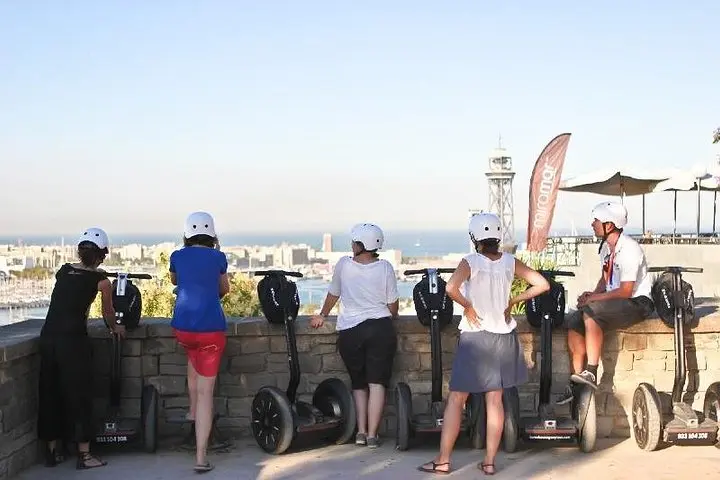
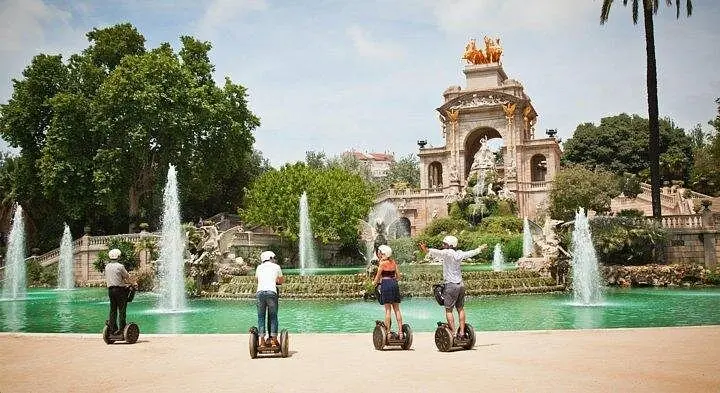
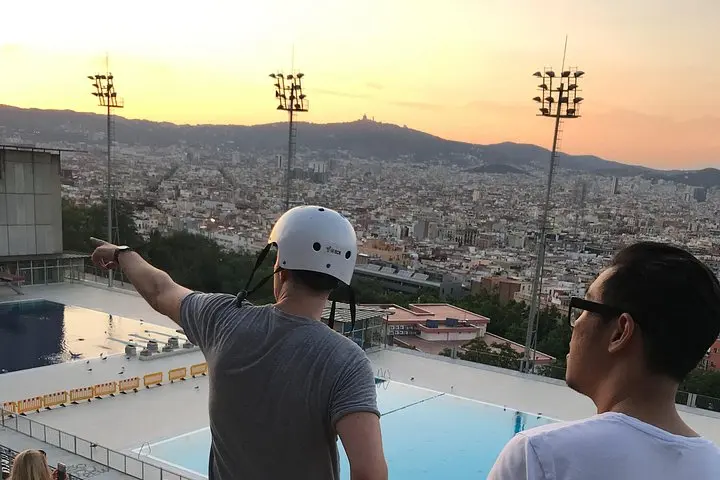
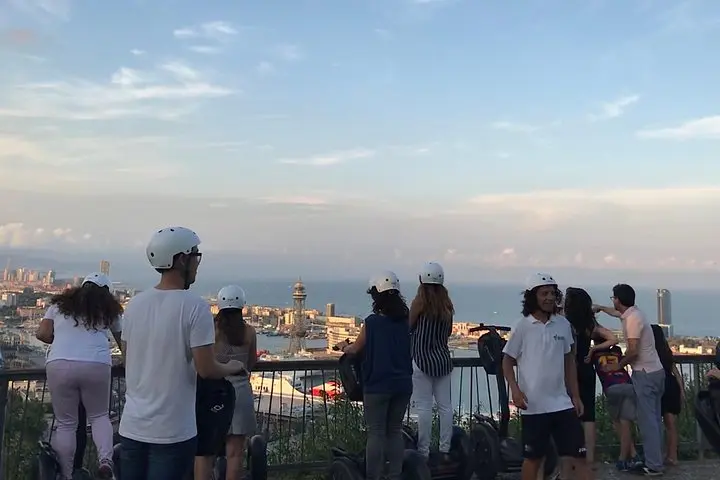
Sunlight slides across stone steps as the group lines up—helmets clipped, briefed, and ready. The Montjuïc Panoramic Segway/e‑Bike Tour carries riders from the city’s seaside edge up the ridge where Barcelona keeps its past and its 20th‑century reinvention in public view. Streets open into plazas, and the Mediterranean breeze seems to push you toward viewpoints: the MNAC’s broad façade, the terraces of the Fundació Miró, and the crenellated Castillo de Montjuïc.
Sunlight slides across stone steps as the group lines up—helmets clipped, briefed, and ready. The Montjuïc Panoramic Segway/e‑Bike Tour carries riders from the city’s seaside edge up the ridge where Barcelona keeps its past and its 20th‑century reinvention in public view. Streets open into plazas, and the Mediterranean breeze seems to push you toward viewpoints: the MNAC’s broad façade, the terraces of the Fundació Miró, and the crenellated Castillo de Montjuïc.
This route traces layers of history. Archaeological finds at the hill’s base point to the Laietani people around 300 BC; later fortifications and 20th‑century Olympic structures mark Spain’s evolving civic identity. Geologically, Montjuïc is a modest volcanic outcrop—stone, ash, and soil that sustain gardens and pine stands—and the hillside’s slopes create the abrupt viewpoints that define the ride.
Practicalities matter: the tour covers roughly three hours with frequent short stops at Arc de Triomf, Parc de la Ciutadella, Port Vell, and the Mirador del Alcalde. Guides limit groups to six for clear instruction and a steady pace, and helmets are provided. Riders should be comfortable standing and shifting their weight, and expect uphill stretches that reward you with open vistas.
Plan for sun, short urban climbs, and pockets of traffic. A morning slot avoids the hottest hours and offers softer light across the harbor. Pack a small daypack, drink water during briefing, and listen to the guide—Montjuïc’s slopes give great views but reward respectful, predictable riding.