THE ADVENTURE COLLECTIVE® · Independent discovery and booking for outdoor travel

Walk Montmartre with a local and taste three classic Parisian sweets while learning the hill’s layered history and cultural lore. This two‑hour food-and-story tour mixes viewpoint crêpes, authentic macarons, and neighborhood anecdotes for a compact local experience.
Walk Montmartre with a local and taste three classic Parisian sweets while learning the hill’s layered history and cultural lore. This two‑hour food-and-story tour mixes viewpoint crêpes, authentic macarons, and neighborhood anecdotes for a compact local experience.
The trampling of cobblestones and the smell of warm sugar pull you up Montmartre’s slope as the Sacré‑Cœur watches over the neighborhood. Beginning near Château d’Eau, the walk threads past street artists on Place du Tertre, the Dalida bust in Place Dalida, and the small, sticky patisseries where locals queue for macarons and crêpes.
Verified experiences and guided adventures in the surrounding area.
Operated by That's All Local · Paris, Île-de-France
The trampling of cobblestones and the smell of warm sugar pull you up Montmartre’s slope as the Sacré‑Cœur watches over the neighborhood. Beginning near Château d’Eau, the walk threads past street artists on Place du Tertre, the Dalida bust in Place Dalida, and the small, sticky patisseries where locals queue for macarons and crêpes.
Montmartre was once a village of windmills and vineyards outside Paris; by the late 19th century it became the city’s bohemian crucible where painters and musicians rewrote urban culture. The hill’s geology—soft limestone capped with thin topsoil—shaped narrow, steep streets and the stepped alleys that force a slower pace and better attention to footing. Cultural points of interest here range from the Mur des Je t’aime to cafés immortalized in film and literature, each shop carrying a quiet lineage of family recipes and artisanal craft.
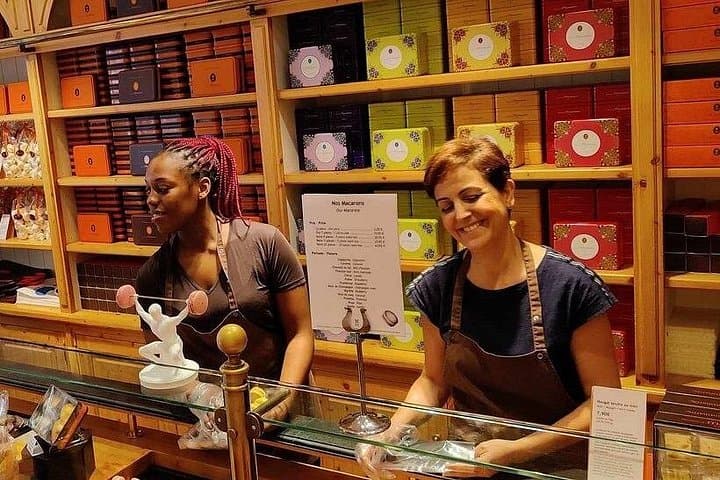
On a guided bites-and-stories walk you’ll stop at three food venues: a viewpoint crêperie, a macaron counter, and a classic patisserie for a whipped-cream dessert. Expect 1.5–2 km of walking with short stair sections and cobbles—moderate fitness helps. The guide shares local anecdotes and practical cues: where to sit for the best city frame, how to order in French, and which pastries travel well.
Practical tips: go early or late afternoon to avoid peak crowds, bring a small daypack for purchases, wear grippy shoes, and flag any food allergies before booking. The experience is equal parts sensory tasting and neighborhood primer—an efficient, flavorful way to learn how Parisians move, eat, and remember their city.
Children are welcome, but some streets and stairs make stroller navigation uneven—contact the operator if you need stroller-accessible arrangements.
Yes—this tour includes snacks at three venues (crêpe, macaron, and a patisserie dessert) and an English-speaking local guide.
Guests with severe or life‑threatening food allergies cannot participate; milder intolerances should be communicated in advance to explore possible accommodations.
The tour starts near Château d’Eau in Montmartre; several metro stations serve the area including Abbesses and Anvers for easy public-transport access.
That's All Local operates guided outdoor trips and adventures with an emphasis on safety, stewardship, and memorable experiences.

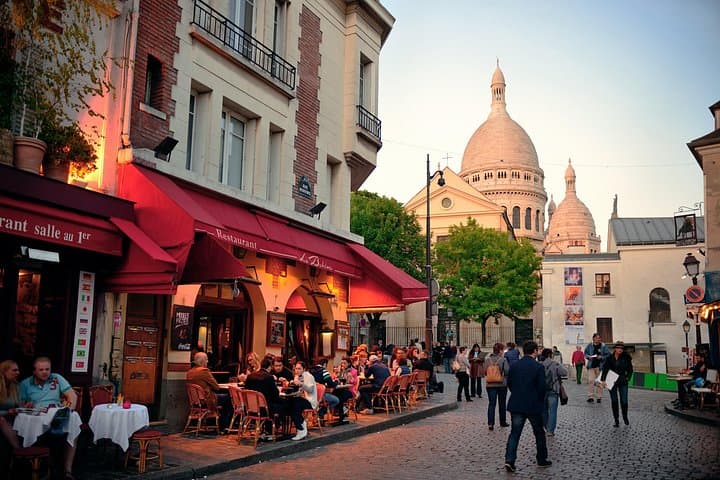

The trampling of cobblestones and the smell of warm sugar pull you up Montmartre’s slope as the Sacré‑Cœur watches over the neighborhood. Beginning near Château d’Eau, the walk threads past street artists on Place du Tertre, the Dalida bust in Place Dalida, and the small, sticky patisseries where locals queue for macarons and crêpes.
The trampling of cobblestones and the smell of warm sugar pull you up Montmartre’s slope as the Sacré‑Cœur watches over the neighborhood. Beginning near Château d’Eau, the walk threads past street artists on Place du Tertre, the Dalida bust in Place Dalida, and the small, sticky patisseries where locals queue for macarons and crêpes.
Montmartre was once a village of windmills and vineyards outside Paris; by the late 19th century it became the city’s bohemian crucible where painters and musicians rewrote urban culture. The hill’s geology—soft limestone capped with thin topsoil—shaped narrow, steep streets and the stepped alleys that force a slower pace and better attention to footing. Cultural points of interest here range from the Mur des Je t’aime to cafés immortalized in film and literature, each shop carrying a quiet lineage of family recipes and artisanal craft.
On a guided bites-and-stories walk you’ll stop at three food venues: a viewpoint crêperie, a macaron counter, and a classic patisserie for a whipped-cream dessert. Expect 1.5–2 km of walking with short stair sections and cobbles—moderate fitness helps. The guide shares local anecdotes and practical cues: where to sit for the best city frame, how to order in French, and which pastries travel well.
Practical tips: go early or late afternoon to avoid peak crowds, bring a small daypack for purchases, wear grippy shoes, and flag any food allergies before booking. The experience is equal parts sensory tasting and neighborhood primer—an efficient, flavorful way to learn how Parisians move, eat, and remember their city.