THE ADVENTURE COLLECTIVE® · Independent discovery and booking for outdoor travel

Swap Barcelona’s boulevards for Montserrat’s jagged ridges on a private day trip that combines short hikes, rock views, and monastery culture. A local guide smooths logistics and points you to the best viewpoints and offbeat stops.
Swap Barcelona’s boulevards for Montserrat’s jagged ridges on a private day trip that combines short hikes, rock views, and monastery culture. A local guide smooths logistics and points you to the best viewpoints and offbeat stops.
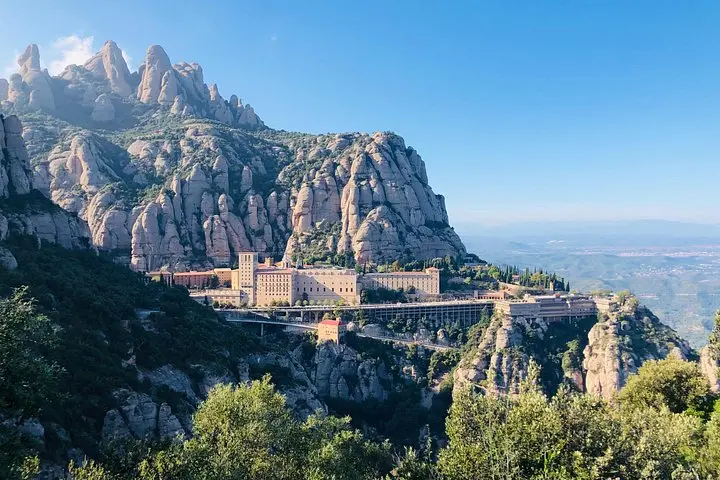
You step off the train-car or into a narrow cable car and the mountains of Montserrat rise like a serrated spine against the Catalan sky. Wind pulls at your jacket; the rocks dare you forward. In a single day you move from Barcelona’s grid to a landscape of weather-carved conglomerate towers, short forests, and ridgelines that open to cliff-edge panoramas.
Verified experiences and guided adventures in the surrounding area.
Operated by Yo Tours · Montserrat, Catalonia
You step off the train-car or into a narrow cable car and the mountains of Montserrat rise like a serrated spine against the Catalan sky. Wind pulls at your jacket; the rocks dare you forward. In a single day you move from Barcelona’s grid to a landscape of weather-carved conglomerate towers, short forests, and ridgelines that open to cliff-edge panoramas.
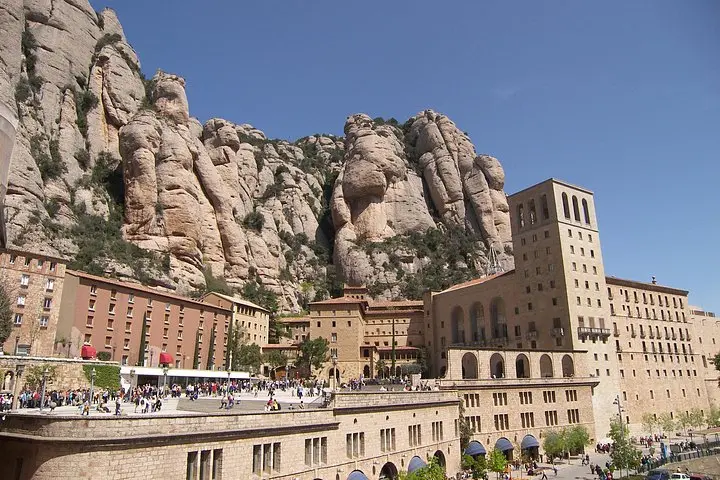
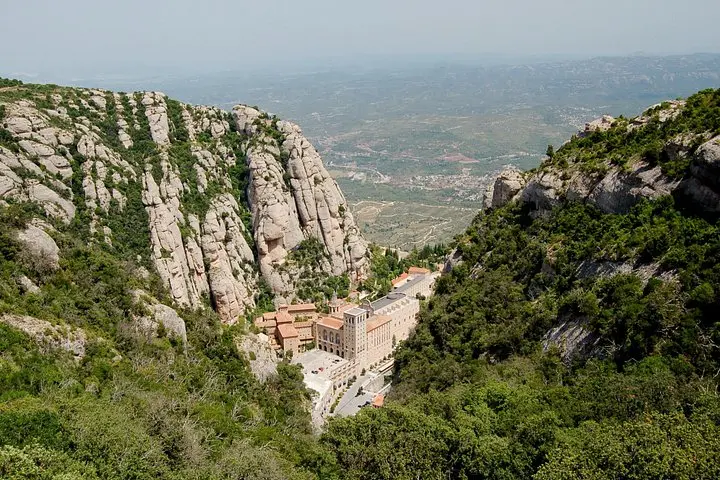
Montserrat’s Benedictine monastery has drawn pilgrims since the 11th century—home to the Black Madonna and a steady stream of choirs and visitors. Geologically the range is a compact chapter of the pre-coastal system: rounded conglomerate boulders and deep talus shape short, steep trails. Local culture is folded into monastery rituals, small cafés serving coca and vermut, and the ritual of the rack railway and aeri that bring day-trippers up from town. Guides on private tours will point out lesser-known chapels, viewpoints, and nearby villages where Catalan food is straightforward and robust.
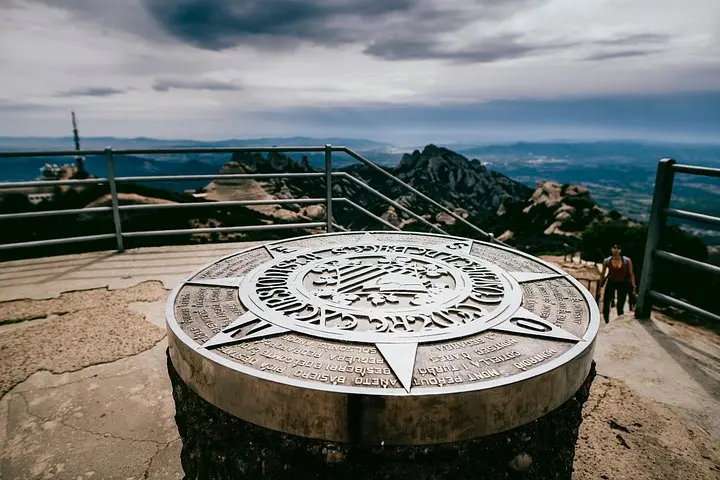
Practicalities: the private day trip typically runs 5–10 hours from Barcelona. Expect mixed terrain—paved approaches around the monastery, then rocky footpaths that can be steep with loose stone. Good footwear, layered clothing, and 1–2 liters of water are standard. Ticketed entry lines at the basilica move quickly early or late; the guide handles logistics and local etiquette. If you want a quiet walk, ask to head to Sant Jeroni or the Santa Cova early; for culture, stay near the cloister for services and museum pieces. This trip pairs easy access with authentic mountain character—compact, scenic, and manageable as a single-day escape from the city.
By private transfer it's about 50–70 minutes depending on traffic; trains plus the rack railway or cable car take roughly 1.5 hours door-to-door.
Most private day trips organize logistics but basilica access is usually free; special museums or choir viewings may require separate fees.
Yes—many routes near the monastery are short and accessible, but steeper viewpoints like Sant Jeroni require fitter walkers; mention mobility limits when booking.
Yes—Montserrat is accessible year-round but expect colder, windier conditions in winter and stronger sun in summer.
Yo Tours operates guided outdoor trips and adventures with an emphasis on safety, stewardship, and memorable experiences.
You step off the train-car or into a narrow cable car and the mountains of Montserrat rise like a serrated spine against the Catalan sky. Wind pulls at your jacket; the rocks dare you forward. In a single day you move from Barcelona’s grid to a landscape of weather-carved conglomerate towers, short forests, and ridgelines that open to cliff-edge panoramas.
You step off the train-car or into a narrow cable car and the mountains of Montserrat rise like a serrated spine against the Catalan sky. Wind pulls at your jacket; the rocks dare you forward. In a single day you move from Barcelona’s grid to a landscape of weather-carved conglomerate towers, short forests, and ridgelines that open to cliff-edge panoramas.
Montserrat’s Benedictine monastery has drawn pilgrims since the 11th century—home to the Black Madonna and a steady stream of choirs and visitors. Geologically the range is a compact chapter of the pre-coastal system: rounded conglomerate boulders and deep talus shape short, steep trails. Local culture is folded into monastery rituals, small cafés serving coca and vermut, and the ritual of the rack railway and aeri that bring day-trippers up from town. Guides on private tours will point out lesser-known chapels, viewpoints, and nearby villages where Catalan food is straightforward and robust.
Practicalities: the private day trip typically runs 5–10 hours from Barcelona. Expect mixed terrain—paved approaches around the monastery, then rocky footpaths that can be steep with loose stone. Good footwear, layered clothing, and 1–2 liters of water are standard. Ticketed entry lines at the basilica move quickly early or late; the guide handles logistics and local etiquette. If you want a quiet walk, ask to head to Sant Jeroni or the Santa Cova early; for culture, stay near the cloister for services and museum pieces. This trip pairs easy access with authentic mountain character—compact, scenic, and manageable as a single-day escape from the city.