THE ADVENTURE COLLECTIVE® · Independent discovery and booking for outdoor travel

A full-day small-group hike from the Montserrat monastery to Sant Jeroni that combines geology, monastery history and expansive Catalan views. This well-marked route is suitable for most hikers and offers quieter trails away from the busiest viewpoints.
A full-day small-group hike from the Montserrat monastery to Sant Jeroni that combines geology, monastery history and expansive Catalan views. This well-marked route is suitable for most hikers and offers quieter trails away from the busiest viewpoints.
You step off the van and the massif greets you: weathered towers of grey sandstone reach skyward and the air tastes of pine and dust. The route from the monastery to Sant Jeroni threads steep, stony steps and sunlit ridgelines; the mountain feels alive, nudging you higher with rounded spires and narrow ledges that test balance and focus.
Verified experiences and guided adventures in the surrounding area.
Operated by ONE LIFE HIKE IT: Walking and Hiking Tours Barcelona and Girona. · Montserrat, Catalonia
You step off the van and the massif greets you: weathered towers of grey sandstone reach skyward and the air tastes of pine and dust. The route from the monastery to Sant Jeroni threads steep, stony steps and sunlit ridgelines; the mountain feels alive, nudging you higher with rounded spires and narrow ledges that test balance and focus.
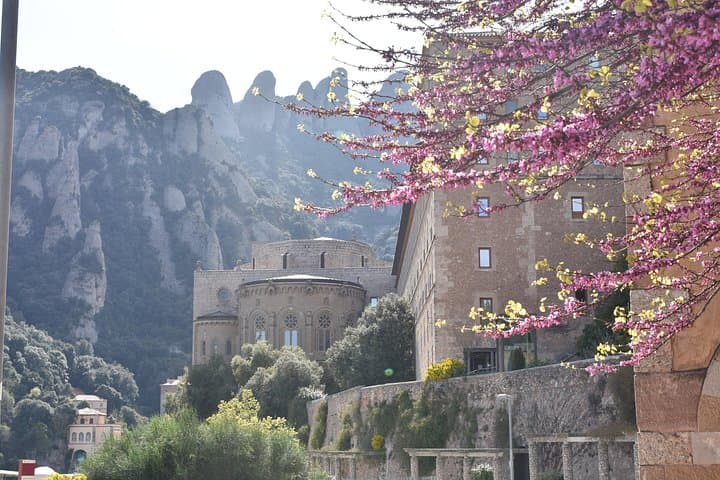
Montserrat’s layered rock is sedimentary—erosion-carved pillars formed over millions of years—while the Benedictine abbey below has drawn pilgrims since the medieval era. The Black Madonna (La Moreneta) and the Via Crucis are woven into local life; monks and shepherding traditions still color the valley’s rhythms. Climbers prize the massif’s grippy conglomerate towers; hikers find quieter passages on lesser-used trails that peel off the main route.
Expect a full-day outing: well-marked trails, occasional steep pitches, and sweeping panoramas toward the Catalan plain and, on clear days, the sea near Barcelona. Guides on small-group tours share geological notes, monastery history, and shortcut options to avoid crowds.
Practical side: wear sturdy shoes with ankle support, bring 1.5–2 liters of water, and layer for wind and sun—summit conditions can shift quickly. Start early to beat afternoon heat and bus rotations back to the monastery. Respect marked paths and the monastery grounds; parts of Montserrat are protected, and trail erosion is an ongoing concern. When you reach Sant Jeroni’s summit, the view is spare and exacting, as if the massif itself is rewarding the climb with a clear, uncompromising panorama.
Most tours include round-trip transfer by minivan; public options include trains to Monistrol de Montserrat plus a rack railway or cable car to the monastery.
Yes—routes are well-marked and guides can adjust pace, but hikers should be comfortable with several hours of continuous walking and some steep sections.
The monastery area has cafes and restrooms, but on-trail facilities are limited—pack water and a light lunch if not provided by the tour.
Yes—operators may cancel or reschedule in poor weather for safety; check the tour’s cancellation policy before booking.
ONE LIFE HIKE IT: Walking and Hiking Tours Barcelona and Girona. operates guided outdoor trips and adventures with an emphasis on safety, stewardship, and memorable experiences.
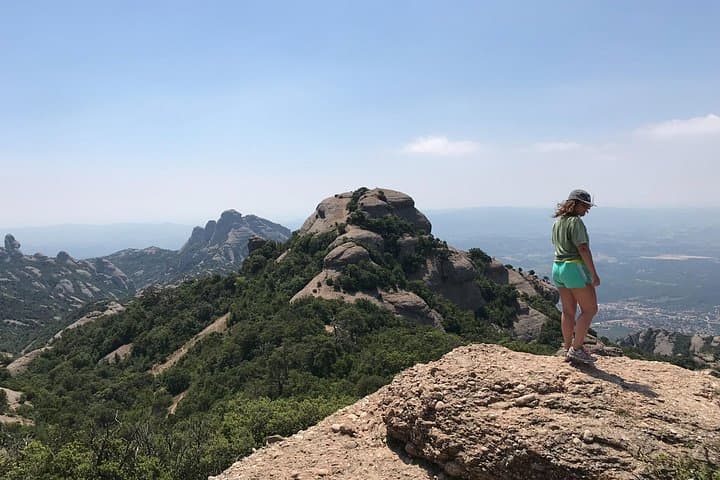
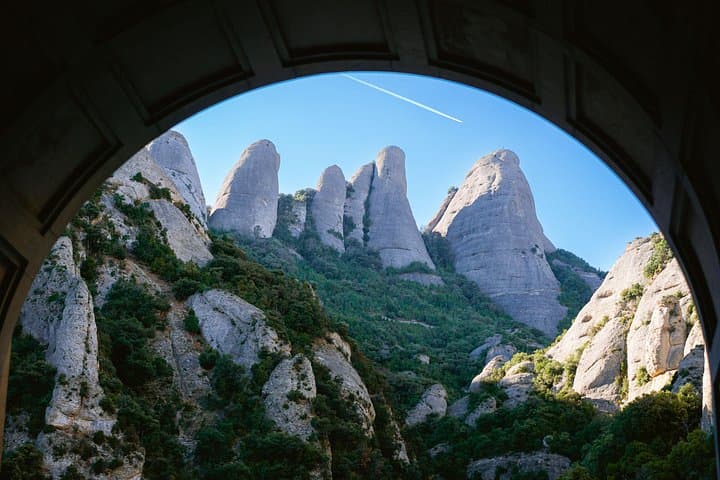
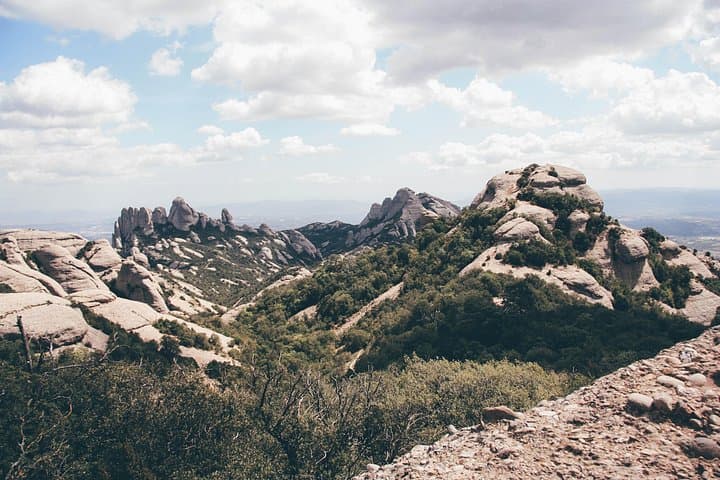
You step off the van and the massif greets you: weathered towers of grey sandstone reach skyward and the air tastes of pine and dust. The route from the monastery to Sant Jeroni threads steep, stony steps and sunlit ridgelines; the mountain feels alive, nudging you higher with rounded spires and narrow ledges that test balance and focus.
You step off the van and the massif greets you: weathered towers of grey sandstone reach skyward and the air tastes of pine and dust. The route from the monastery to Sant Jeroni threads steep, stony steps and sunlit ridgelines; the mountain feels alive, nudging you higher with rounded spires and narrow ledges that test balance and focus.
Montserrat’s layered rock is sedimentary—erosion-carved pillars formed over millions of years—while the Benedictine abbey below has drawn pilgrims since the medieval era. The Black Madonna (La Moreneta) and the Via Crucis are woven into local life; monks and shepherding traditions still color the valley’s rhythms. Climbers prize the massif’s grippy conglomerate towers; hikers find quieter passages on lesser-used trails that peel off the main route.
Expect a full-day outing: well-marked trails, occasional steep pitches, and sweeping panoramas toward the Catalan plain and, on clear days, the sea near Barcelona. Guides on small-group tours share geological notes, monastery history, and shortcut options to avoid crowds.
Practical side: wear sturdy shoes with ankle support, bring 1.5–2 liters of water, and layer for wind and sun—summit conditions can shift quickly. Start early to beat afternoon heat and bus rotations back to the monastery. Respect marked paths and the monastery grounds; parts of Montserrat are protected, and trail erosion is an ongoing concern. When you reach Sant Jeroni’s summit, the view is spare and exacting, as if the massif itself is rewarding the climb with a clear, uncompromising panorama.