THE ADVENTURE COLLECTIVE® · Independent discovery and booking for outdoor travel

Drive from Swakopmund into the pale folds of the Namib to encounter the Moon Landscape and the ancient Welwitschia mirabilis. This five-hour day tour pairs surreal desert vistas with close-up encounters of a plant that can survive for centuries.
Drive from Swakopmund into the pale folds of the Namib to encounter the Moon Landscape and the ancient Welwitschia mirabilis. This five-hour day tour pairs surreal desert vistas with close-up encounters of a plant that can survive for centuries.
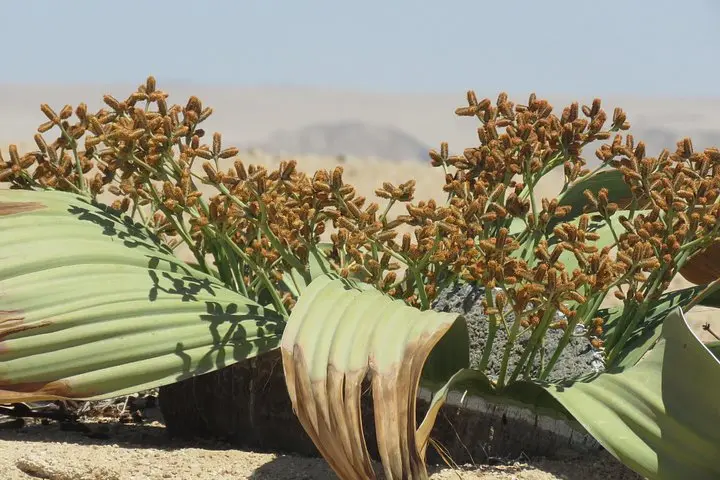
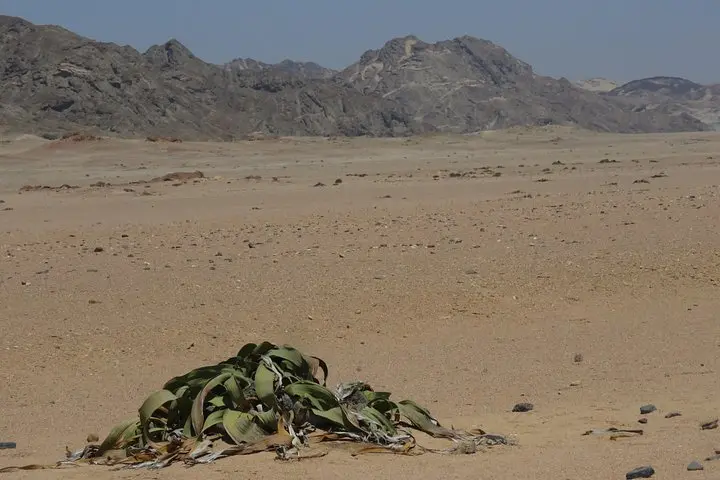
A wind-stung morning on the gravel road out of Swakopmund feels like a simple bruise against the vastness: salt air gives way to dry sand, and the dunes start to climb like slow-moving architecture. The Moon Landscape opens before you — corrugated gullies and pale rock carved by epochs of wind — and then, improbably, the Welwitschia: two ragged leaves sprawled across the desert floor, a survivor that looks as if time itself took a break here.
Verified experiences and guided adventures in the surrounding area.
Operated by Pelgrim Tours · Swakopmund, Erongo
A wind-stung morning on the gravel road out of Swakopmund feels like a simple bruise against the vastness: salt air gives way to dry sand, and the dunes start to climb like slow-moving architecture. The Moon Landscape opens before you — corrugated gullies and pale rock carved by epochs of wind — and then, improbably, the Welwitschia: two ragged leaves sprawled across the desert floor, a survivor that looks as if time itself took a break here.
The Namib is one of the planet’s oldest deserts; its sculpted plateaus and drifting dunes record millennia of shifting climates. Welwitschia mirabilis, endemic to this coastal desert, evolved to drink fog and edge survival out of scarcity — local communities and early German settlers learned to navigate these limits, trading salt, guano and stories between Walvis Bay and Swakopmund.
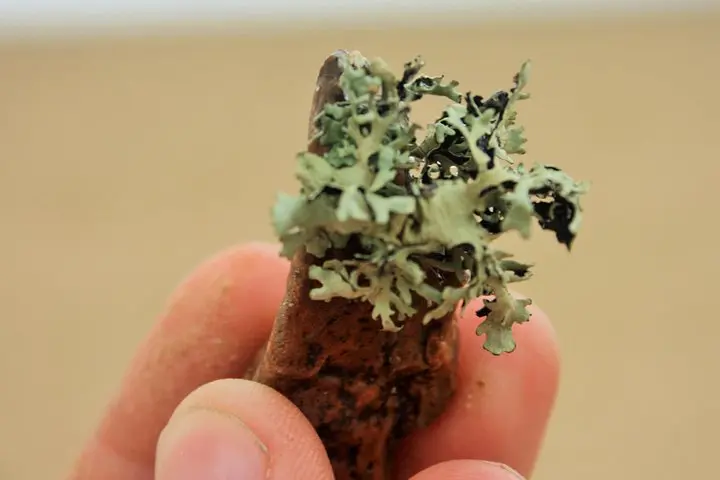
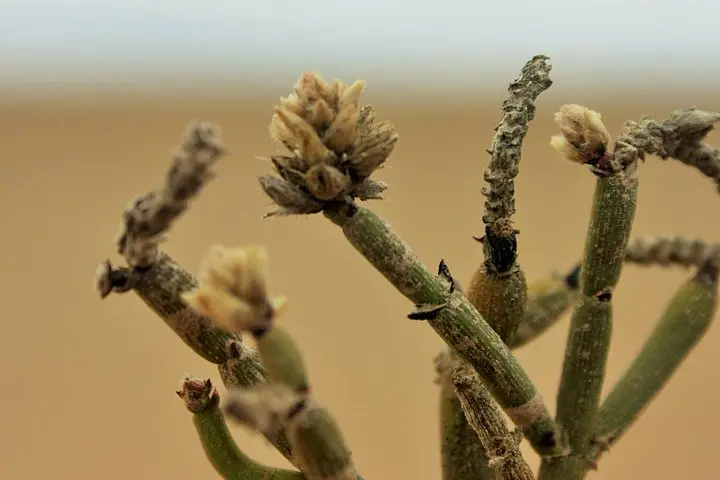
Expect a five-hour outing led from Swakopmund or Walvis Bay with vehicle transfers, short walks on loose sand, and a picnic lunch included. The geology is unmistakeable: wind-polished shale, fossil-bearing strata, and the stark contrast of dark lichen on pale rock. The plants here are fragile — the Welwitschia grows slowly and can be millennia old, so viewing is largely observational.
Practical notes: travel light, carry sun protection and plenty of water, and choose a morning slot to avoid peak heat. Shoes with good traction handle fine in the sand; bring binoculars and a camera with a long lens for plant detail and distant oryx. Respect vehicle tracks, leave no trace, and listen to your guide — the desert reveals its rules slowly but clearly.
Pickups are typically arranged from Swakopmund or Walvis Bay accommodations; confirm your pickup point when booking.
The full excursion is about five hours with mostly vehicle time and several short, easy walks across sand and rock viewpoints.
They’re not harmful, but they’re fragile and protected; touching them can cause damage, so viewing only is recommended.
Yes — the tour is rated easy and suitable for most ages, though those with spinal or serious heart conditions should avoid it per operator guidance.
Pelgrim Tours operates guided outdoor trips and adventures with an emphasis on safety, stewardship, and memorable experiences.
A wind-stung morning on the gravel road out of Swakopmund feels like a simple bruise against the vastness: salt air gives way to dry sand, and the dunes start to climb like slow-moving architecture. The Moon Landscape opens before you — corrugated gullies and pale rock carved by epochs of wind — and then, improbably, the Welwitschia: two ragged leaves sprawled across the desert floor, a survivor that looks as if time itself took a break here.
A wind-stung morning on the gravel road out of Swakopmund feels like a simple bruise against the vastness: salt air gives way to dry sand, and the dunes start to climb like slow-moving architecture. The Moon Landscape opens before you — corrugated gullies and pale rock carved by epochs of wind — and then, improbably, the Welwitschia: two ragged leaves sprawled across the desert floor, a survivor that looks as if time itself took a break here.
The Namib is one of the planet’s oldest deserts; its sculpted plateaus and drifting dunes record millennia of shifting climates. Welwitschia mirabilis, endemic to this coastal desert, evolved to drink fog and edge survival out of scarcity — local communities and early German settlers learned to navigate these limits, trading salt, guano and stories between Walvis Bay and Swakopmund.
Expect a five-hour outing led from Swakopmund or Walvis Bay with vehicle transfers, short walks on loose sand, and a picnic lunch included. The geology is unmistakeable: wind-polished shale, fossil-bearing strata, and the stark contrast of dark lichen on pale rock. The plants here are fragile — the Welwitschia grows slowly and can be millennia old, so viewing is largely observational.
Practical notes: travel light, carry sun protection and plenty of water, and choose a morning slot to avoid peak heat. Shoes with good traction handle fine in the sand; bring binoculars and a camera with a long lens for plant detail and distant oryx. Respect vehicle tracks, leave no trace, and listen to your guide — the desert reveals its rules slowly but clearly.