THE ADVENTURE COLLECTIVE® · Independent discovery and booking for outdoor travel

Spend a full day east of Swakopmund exploring the Moon Landscape’s alien ridges and the ancient Welwitschia. This guided day tour blends geology, short walks, and desert photography with practical logistics and a picnic break.
Spend a full day east of Swakopmund exploring the Moon Landscape’s alien ridges and the ancient Welwitschia. This guided day tour blends geology, short walks, and desert photography with practical logistics and a picnic break.
A low, pale sun slides over the Namib as the tour vehicle peels away from Swakopmund and the town’s German-built facades fall behind. Within half an hour the pavement gives way to dusty tracks and the land opens into ribbed valleys and bleached cliffs that look as if a different planet is being revealed with every turn.
Verified experiences and guided adventures in the surrounding area.
Operated by M.A.D Travel & Tours · Swakopmund, Erongo
A low, pale sun slides over the Namib as the tour vehicle peels away from Swakopmund and the town’s German-built facades fall behind. Within half an hour the pavement gives way to dusty tracks and the land opens into ribbed valleys and bleached cliffs that look as if a different planet is being revealed with every turn.
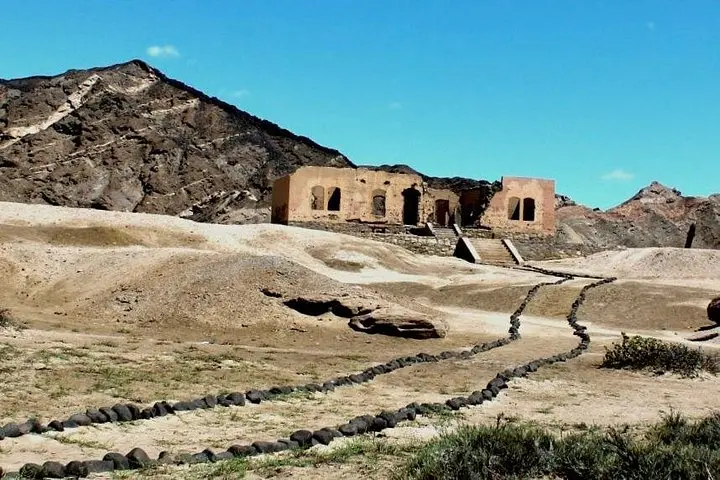
This full‑day excursion moves between viewpoints that show the so‑called Moon Landscape — dramatic erosion-carved gullies and ridges formed by ancient river systems and wind. Geologically the area is part of the Namib Desert’s coastal plain, where sandstone and siltstone layers have been scoured into isolated badlands. Culturally, Swakopmund’s colonial architecture provides a short, contrasting chapter: guides often point out old German-era buildings before heading inland.
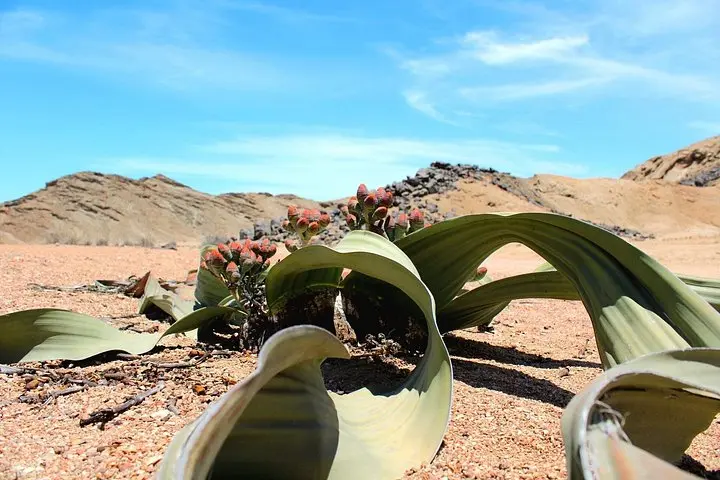
The guide-led walk includes a stop at Welwitschia mirabilis, a singular survivor adapted to fog and severe aridity; the plant’s two strap-like leaves can live for centuries and feel like a relic from a different epoch.
Practical notes: the day runs roughly 08:30–16:30 with several short walks and photo stops; expect uneven, sandy footing and strong sun. Bring at least 2 liters of water, sun protection, sturdy shoes, and a light wind layer for cooler mornings. Restroom stops are limited outside Swakopmund and the picnic is typically a shaded break rather than a full service meal.
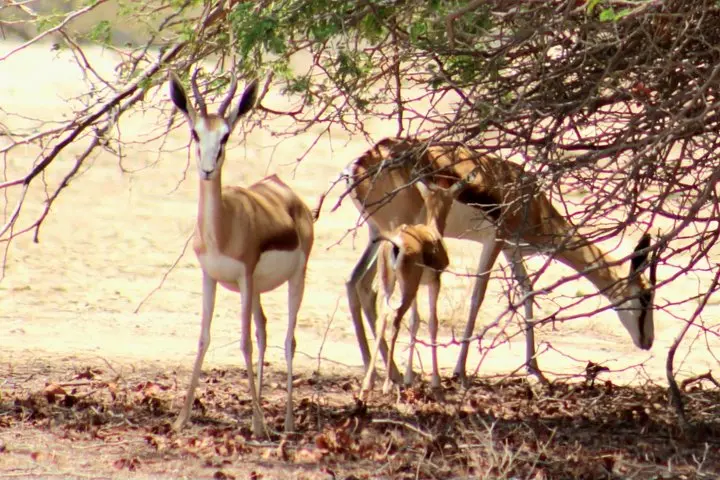
For photographers the low-angle light of morning and late afternoon creates stark shadows and texture; for nature lovers, the Welwitschia and surprising desert birds are the highlights. The trip is accessible for most fitness levels and makes a compact, revealing introduction to Namibia’s coastal desert.
The tour is approximately 08:30–16:30 with pickup from accommodations in Swakopmund or Wavis Bay and return by late afternoon.
No — the walk is short and mostly flat, but footing may be sandy and uneven; comfortable shoes are recommended.
Snacks and bottled water are included and there is a picnic stop; if you have specific dietary needs bring your own provisions.
Yes — the tour is family-friendly; infants may sit in laps and strollers are accessible for some sections, but terrain limits stroller use at viewpoints.
M.A.D Travel & Tours operates guided outdoor trips and adventures with an emphasis on safety, stewardship, and memorable experiences.
A low, pale sun slides over the Namib as the tour vehicle peels away from Swakopmund and the town’s German-built facades fall behind. Within half an hour the pavement gives way to dusty tracks and the land opens into ribbed valleys and bleached cliffs that look as if a different planet is being revealed with every turn.
A low, pale sun slides over the Namib as the tour vehicle peels away from Swakopmund and the town’s German-built facades fall behind. Within half an hour the pavement gives way to dusty tracks and the land opens into ribbed valleys and bleached cliffs that look as if a different planet is being revealed with every turn.
This full‑day excursion moves between viewpoints that show the so‑called Moon Landscape — dramatic erosion-carved gullies and ridges formed by ancient river systems and wind. Geologically the area is part of the Namib Desert’s coastal plain, where sandstone and siltstone layers have been scoured into isolated badlands. Culturally, Swakopmund’s colonial architecture provides a short, contrasting chapter: guides often point out old German-era buildings before heading inland.
The guide-led walk includes a stop at Welwitschia mirabilis, a singular survivor adapted to fog and severe aridity; the plant’s two strap-like leaves can live for centuries and feel like a relic from a different epoch.
Practical notes: the day runs roughly 08:30–16:30 with several short walks and photo stops; expect uneven, sandy footing and strong sun. Bring at least 2 liters of water, sun protection, sturdy shoes, and a light wind layer for cooler mornings. Restroom stops are limited outside Swakopmund and the picnic is typically a shaded break rather than a full service meal.
For photographers the low-angle light of morning and late afternoon creates stark shadows and texture; for nature lovers, the Welwitschia and surprising desert birds are the highlights. The trip is accessible for most fitness levels and makes a compact, revealing introduction to Namibia’s coastal desert.