THE ADVENTURE COLLECTIVE® · Independent discovery and booking for outdoor travel

Walk the French Quarter after dark on a two-hour paranormal tour that pairs documented history with local folklore. Expect flat, paved streets, atmospheric storytelling, and stops at infamous sites like the LaLaurie house.
Walk the French Quarter after dark on a two-hour paranormal tour that pairs documented history with local folklore. Expect flat, paved streets, atmospheric storytelling, and stops at infamous sites like the LaLaurie house.
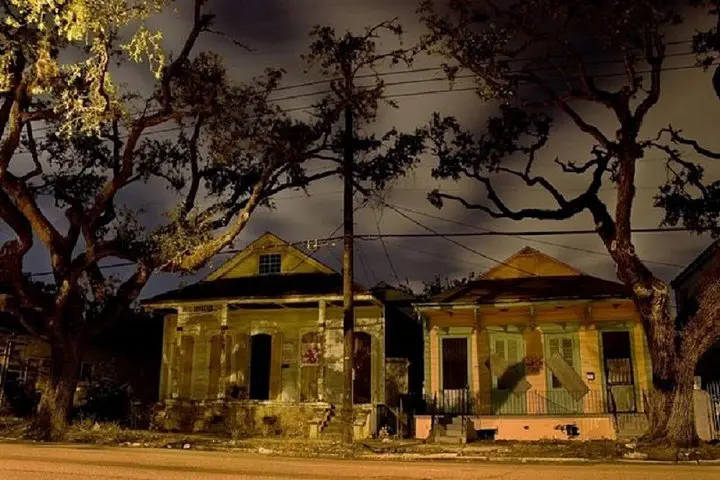
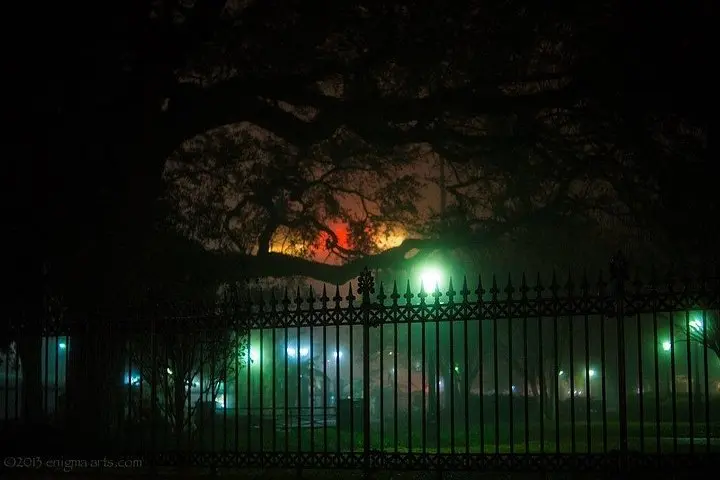
The French Quarter at night compresses centuries into a single block: gas-light glow on iron balconies, the river’s distant rumble, and streetlamps throwing long shadows that seem to move with their own intent.
Verified experiences and guided adventures in the surrounding area.
Operated by NOLA GhostRiders · New Orleans, Louisiana
The French Quarter at night compresses centuries into a single block: gas-light glow on iron balconies, the river’s distant rumble, and streetlamps throwing long shadows that seem to move with their own intent.
This two-hour walking tour threads those shadows into stories — from the brutal LaLaurie mansion and its 19th-century scandals to the Gardette-LePretre House’s whispered past and the theatrical spirits said to inhabit Le Petit Théâtre. Geology here is less granite than riverine memory: the Quarter sits atop layers of Mississippi River silt and reclaimed marsh, which shaped streets, drainage and the city’s uncanny relationship with water and weather.
Culturally, the walk touches Creole, French and Spanish legacies, plus folk belief systems like Louisiana Voodoo that shaped neighborhood rituals and lore. Guides blend documented history with oral traditions; expect folklore tied to real sites rather than staged scares.
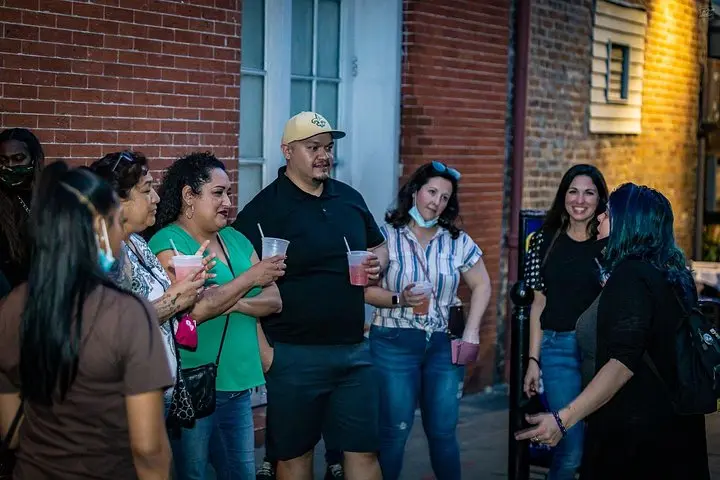
Practically, the route is mostly flat paved streets and brick sidewalks; wear supportive shoes and bring a flashlight for darker alleys. Tours move at an easy pace but cover two miles in tight historical neighborhoods. Nighttime humidity and sudden storms are typical — plan for rain and mosquitoes in warmer months. Small-group commentary often points out architectural details, burial-ground histories and how preservation choices affect public memory.
Arrive 10–15 minutes early, keep conversations low near residences, and tip your guide if the evening delivers the kind of uncanny stories that linger long after the lamps go out.
Yes—children can attend, but some stories cover disturbing historic events; parents should judge age-appropriateness.
The operator lists accessibility options, but some sidewalks and cobblestone sections can be uneven—contact the provider to confirm accommodations.
Expect roughly two miles over two hours at an easy storytelling pace with frequent stops.
Guides share eyewitness accounts and historical anecdotes; sightings are anecdotal and not guaranteed.
NOLA GhostRiders operates guided outdoor trips and adventures with an emphasis on safety, stewardship, and memorable experiences.

The French Quarter at night compresses centuries into a single block: gas-light glow on iron balconies, the river’s distant rumble, and streetlamps throwing long shadows that seem to move with their own intent.
The French Quarter at night compresses centuries into a single block: gas-light glow on iron balconies, the river’s distant rumble, and streetlamps throwing long shadows that seem to move with their own intent.
This two-hour walking tour threads those shadows into stories — from the brutal LaLaurie mansion and its 19th-century scandals to the Gardette-LePretre House’s whispered past and the theatrical spirits said to inhabit Le Petit Théâtre. Geology here is less granite than riverine memory: the Quarter sits atop layers of Mississippi River silt and reclaimed marsh, which shaped streets, drainage and the city’s uncanny relationship with water and weather.
Culturally, the walk touches Creole, French and Spanish legacies, plus folk belief systems like Louisiana Voodoo that shaped neighborhood rituals and lore. Guides blend documented history with oral traditions; expect folklore tied to real sites rather than staged scares.
Practically, the route is mostly flat paved streets and brick sidewalks; wear supportive shoes and bring a flashlight for darker alleys. Tours move at an easy pace but cover two miles in tight historical neighborhoods. Nighttime humidity and sudden storms are typical — plan for rain and mosquitoes in warmer months. Small-group commentary often points out architectural details, burial-ground histories and how preservation choices affect public memory.
Arrive 10–15 minutes early, keep conversations low near residences, and tip your guide if the evening delivers the kind of uncanny stories that linger long after the lamps go out.