THE ADVENTURE COLLECTIVE® · Independent discovery and booking for outdoor travel

Board a half-day marine safari off Moorea to watch humpbacks migrate, then snorkel reef shallows. This guided outing balances quiet whale observation with reef encounters and practical guidance for safe, respectful wildlife viewing.
Board a half-day marine safari off Moorea to watch humpbacks migrate, then snorkel reef shallows. This guided outing balances quiet whale observation with reef encounters and practical guidance for safe, respectful wildlife viewing.
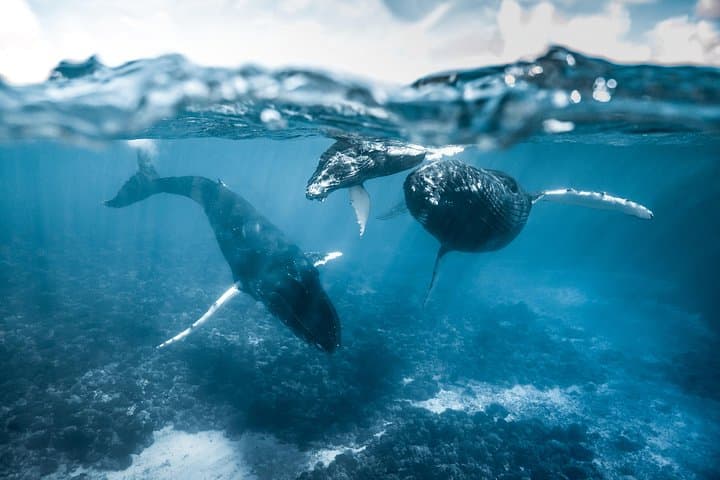
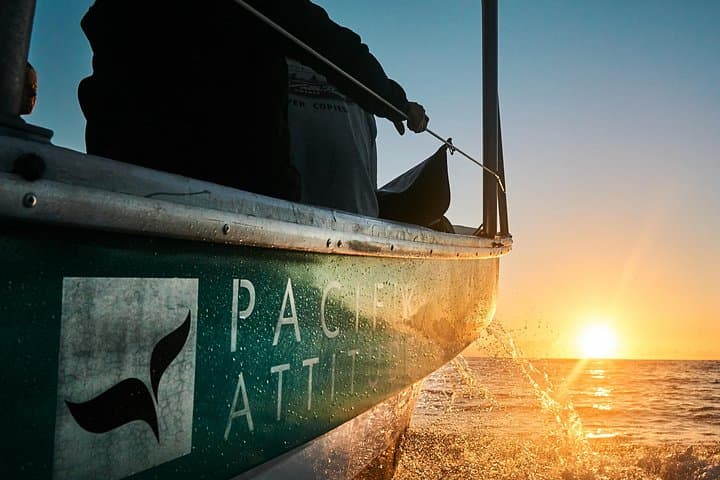
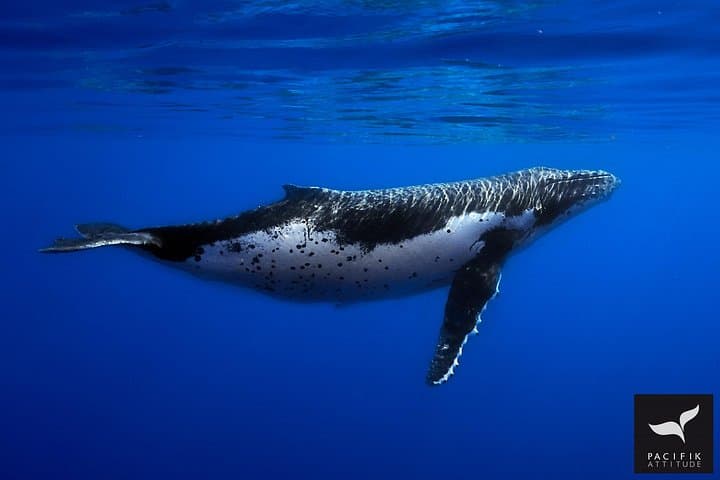
Dawn breaks over Moorea’s jagged volcanic ridges and the lagoon’s surface steels itself to the first light. A low-profile boat slips out from the pass, engines hushed as passengers scan for blows and tail slaps — the island’s humpbacks arrive here each winter like clockwork, their bulk cutting through blue like slow thunder.
Verified experiences and guided adventures in the surrounding area.
Operated by Pacifik Attitude · Maharepa, Society Islands
Dawn breaks over Moorea’s jagged volcanic ridges and the lagoon’s surface steels itself to the first light. A low-profile boat slips out from the pass, engines hushed as passengers scan for blows and tail slaps — the island’s humpbacks arrive here each winter like clockwork, their bulk cutting through blue like slow thunder.
The tour follows a short, well-known migration corridor where North Pacific humpbacks congregate from July through November to breed and calf. Geologically, Moorea is a high volcanic island ringed by a shallow coral lagoon; reefs shelter diverse life from fragile corals to schooling jacks. Culturally, Polynesian communities have long read ocean patterns for navigation and respect marine creatures; modern operators emphasize a no-touch, low-interference approach consistent with local conservation values.
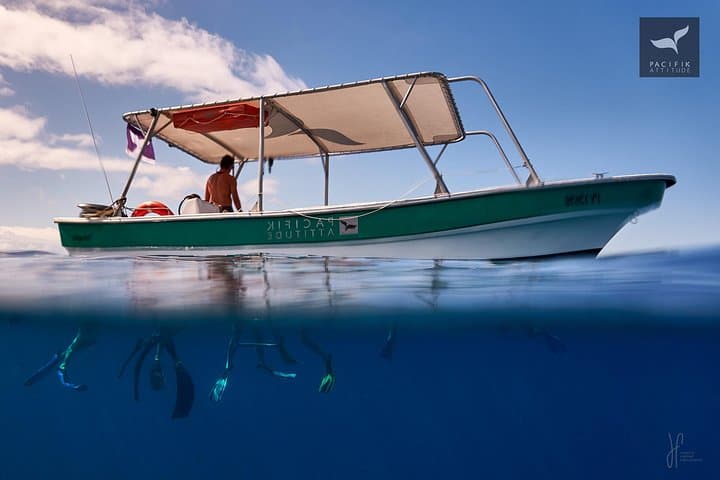
Expect a half-day outing (about 3 hours) that mixes quiet observation with guided snorkeling when conditions allow. Guides orient you to whale behavior, safe viewing distances, and how to read blows and fluke patterns. Snorkel stops reveal reef fish, rays, and occasional green turtles in lily-green shallows.
Practically: arrive early for sunrise options, bring reef-safe sunscreen, a light waterproof jacket, and seasickness prevention if you’re sensitive. Photography benefits from a fast shutter and a 70–200mm equivalent; keep cameras tethered. The experience is sensory and deliberate — the whales set the tempo, and you move to their rhythm.
Humpback season runs roughly July 20 to November 20, with peak sightings in August and September during breeding and calving.
No — regulations and operator policy require maintaining distance; snorkeling is offered with reef life, not directly with whales.
Children aged five and older are permitted; operators usually require flotation devices for minors and moderate fitness for snorkel stops.
Tours may be cancelled or rescheduled for safety; confirm cancellation and refund policies when booking (most offer full refunds if cancelled 24+ hours prior).
Pacifik Attitude operates guided outdoor trips and adventures with an emphasis on safety, stewardship, and memorable experiences.
Dawn breaks over Moorea’s jagged volcanic ridges and the lagoon’s surface steels itself to the first light. A low-profile boat slips out from the pass, engines hushed as passengers scan for blows and tail slaps — the island’s humpbacks arrive here each winter like clockwork, their bulk cutting through blue like slow thunder.
Dawn breaks over Moorea’s jagged volcanic ridges and the lagoon’s surface steels itself to the first light. A low-profile boat slips out from the pass, engines hushed as passengers scan for blows and tail slaps — the island’s humpbacks arrive here each winter like clockwork, their bulk cutting through blue like slow thunder.
The tour follows a short, well-known migration corridor where North Pacific humpbacks congregate from July through November to breed and calf. Geologically, Moorea is a high volcanic island ringed by a shallow coral lagoon; reefs shelter diverse life from fragile corals to schooling jacks. Culturally, Polynesian communities have long read ocean patterns for navigation and respect marine creatures; modern operators emphasize a no-touch, low-interference approach consistent with local conservation values.
Expect a half-day outing (about 3 hours) that mixes quiet observation with guided snorkeling when conditions allow. Guides orient you to whale behavior, safe viewing distances, and how to read blows and fluke patterns. Snorkel stops reveal reef fish, rays, and occasional green turtles in lily-green shallows.
Practically: arrive early for sunrise options, bring reef-safe sunscreen, a light waterproof jacket, and seasickness prevention if you’re sensitive. Photography benefits from a fast shutter and a 70–200mm equivalent; keep cameras tethered. The experience is sensory and deliberate — the whales set the tempo, and you move to their rhythm.