THE ADVENTURE COLLECTIVE® · Independent discovery and booking for outdoor travel

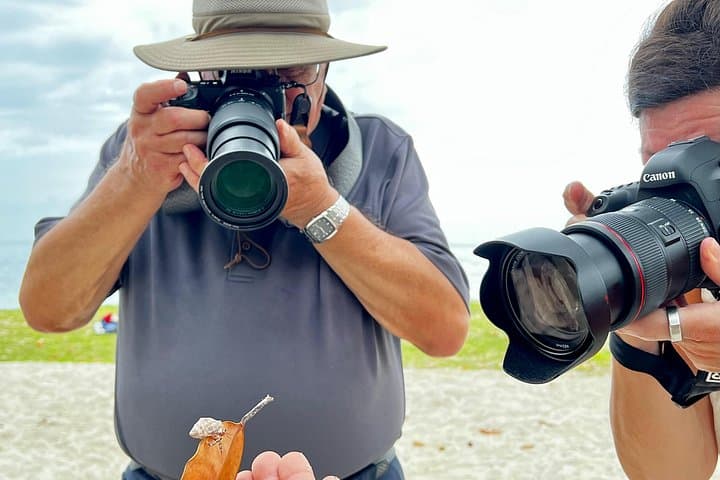
Learn to photograph Moorea’s volcanic ridges, turquoise lagoons and village life in a private 3.5-hour session tailored to your level. Expect hands-on camera coaching, short walks to scenic lookouts, and practical tips for light, composition and respectful shooting.
Learn to photograph Moorea’s volcanic ridges, turquoise lagoons and village life in a private 3.5-hour session tailored to your level. Expect hands-on camera coaching, short walks to scenic lookouts, and practical tips for light, composition and respectful shooting.
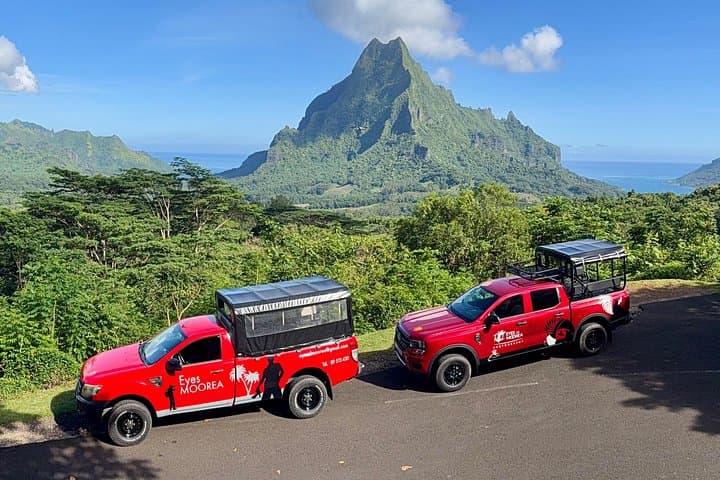
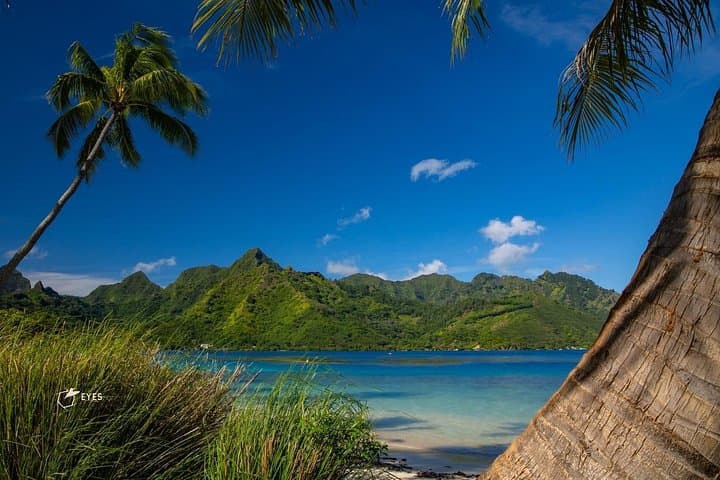
You start on a sun-cut road where the mountains shoulder the sky and the lagoon flashes turquoise like glass — Moorea announces itself quietly but insistently. In a private 3.5-hour session an instructor moves at your pace, pointing out angles where light sculpts jagged basalt ridges and where reef flats throw color back into the lens.
Verified experiences and guided adventures in the surrounding area.
Operated by Photographies à Moorea - Photographe professionnel, réalisation de shooting photo · Maharepa, Society Islands
You start on a sun-cut road where the mountains shoulder the sky and the lagoon flashes turquoise like glass — Moorea announces itself quietly but insistently. In a private 3.5-hour session an instructor moves at your pace, pointing out angles where light sculpts jagged basalt ridges and where reef flats throw color back into the lens.
The island is volcanic in origin, carved by ridges that rise to Mount Tohivea (about 1,207 ft / 368 m), with sheltered bays—Cook’s and Opunohu—that shaped local settlement and agriculture. Polynesian voyagers farmed taro and later planted pineapple in the lowlands; European contact in the 18th century brought new trade routes but the island’s visual character remained unmistakably Pacific.
Culturally the rhythm is laid-back: village markets, reef-guarded motus, and drivers who know every roadside vista. Your guide will also share etiquette for photographing people and private land—important on an island where community and tourism overlap.
Practically, expect a mix of short walks, roadside stops and a few lookouts. Terrain is mostly paved or compact dirt; a 4x4 may be used to access viewpoints. Bring a mid-range zoom and a wide lens, a polarizer for lagoon reflections, and a light tripod if you shoot low light.
Timing matters: soft morning or late-afternoon light gives the best color and fewer crowds. The operator provides snacks, private transport and personalized instruction, whether you’re finding composition basics or refining exposure. Leave with edited-ready files and a clearer eye for Moorea’s contrasts—the volcanic bones and the lagoon’s bright skin.
Yes — the session teaches on your device. Basic camera rental options may be available locally but confirm in advance.
Absolutely — instructors tailor lessons from camera basics to advanced composition depending on your level.
No — the itinerary uses short walks, roads and accessible vantage points; it’s adaptable for limited mobility if requested.
Yes — private, air-conditioned transport between meeting points and viewpoints is provided as part of the excursion.
Photographies à Moorea - Photographe professionnel, réalisation de shooting photo operates guided outdoor trips and adventures with an emphasis on safety, stewardship, and memorable experiences.
You start on a sun-cut road where the mountains shoulder the sky and the lagoon flashes turquoise like glass — Moorea announces itself quietly but insistently. In a private 3.5-hour session an instructor moves at your pace, pointing out angles where light sculpts jagged basalt ridges and where reef flats throw color back into the lens.
You start on a sun-cut road where the mountains shoulder the sky and the lagoon flashes turquoise like glass — Moorea announces itself quietly but insistently. In a private 3.5-hour session an instructor moves at your pace, pointing out angles where light sculpts jagged basalt ridges and where reef flats throw color back into the lens.
The island is volcanic in origin, carved by ridges that rise to Mount Tohivea (about 1,207 ft / 368 m), with sheltered bays—Cook’s and Opunohu—that shaped local settlement and agriculture. Polynesian voyagers farmed taro and later planted pineapple in the lowlands; European contact in the 18th century brought new trade routes but the island’s visual character remained unmistakably Pacific.
Culturally the rhythm is laid-back: village markets, reef-guarded motus, and drivers who know every roadside vista. Your guide will also share etiquette for photographing people and private land—important on an island where community and tourism overlap.
Practically, expect a mix of short walks, roadside stops and a few lookouts. Terrain is mostly paved or compact dirt; a 4x4 may be used to access viewpoints. Bring a mid-range zoom and a wide lens, a polarizer for lagoon reflections, and a light tripod if you shoot low light.
Timing matters: soft morning or late-afternoon light gives the best color and fewer crowds. The operator provides snacks, private transport and personalized instruction, whether you’re finding composition basics or refining exposure. Leave with edited-ready files and a clearer eye for Moorea’s contrasts—the volcanic bones and the lagoon’s bright skin.