THE ADVENTURE COLLECTIVE® · Independent discovery and booking for outdoor travel

Skip the parking scramble and let a knowledgeable driver deliver you to two of the Canadian Rockies’ most iconic lakes. This Banff shuttle gives you 90 minutes each at Lake Louise and Moraine Lake—time enough to hike, photograph, and feel the scale of sculpted granite and turquoise water.
Skip the parking scramble and let a knowledgeable driver deliver you to two of the Canadian Rockies’ most iconic lakes. This Banff shuttle gives you 90 minutes each at Lake Louise and Moraine Lake—time enough to hike, photograph, and feel the scale of sculpted granite and turquoise water.
The bus hums through a corridor of spruce and lodgepole pine, and when the forest finally loosens the first teeth of the Canadian Rockies appear—sheer grey faces dusted with snow and the pale blue of meltwater far below. You step off at the Lake Louise Visitor Centre with a moment to stretch before the shuttle drops you at two of the Rockies’ most photographed places: the glacial mirror of Lake Louise and the jewel-toned bowl of Moraine Lake. The driver points out the peaks as if naming old friends; the group disperses into trails, boardwalks and rock piles, each person chasing the right angle of turquoise.
Verified experiences and guided adventures in the surrounding area.
Operated by 1A Scenic Route Tour by Banff Explorer · Banff, Alberta
The bus hums through a corridor of spruce and lodgepole pine, and when the forest finally loosens the first teeth of the Canadian Rockies appear—sheer grey faces dusted with snow and the pale blue of meltwater far below. You step off at the Lake Louise Visitor Centre with a moment to stretch before the shuttle drops you at two of the Rockies’ most photographed places: the glacial mirror of Lake Louise and the jewel-toned bowl of Moraine Lake. The driver points out the peaks as if naming old friends; the group disperses into trails, boardwalks and rock piles, each person chasing the right angle of turquoise.
These lakes are products of ice and time. Over the last few million years glaciers carved the valleys, left behind fine rock flour that scatters light and gives the water that impossible color. Lake Louise sits beneath Victoria Glacier and was renamed in the 1880s for Princess Louise; Moraine Lake sits in the Valley of the Ten Peaks and has been the backdrop for generations of photographers and climbers. Indigenous peoples of the region—most notably the Stoney Nakoda—have long-standing ties to these landscapes, which later became part of Banff National Park, Canada’s first national park established in 1885.
The shuttle experience is deliberately practical: one pick-up in downtown Banff at the Mount Royal Hotel bus terminal, a scheduled stop at Lake Louise Visitor Centre, 90 minutes at Lake Louise, then on to Moraine Lake with another 90 minutes to explore the rockpile, short trails and shoreline. For families and travelers who want to avoid the parking crush, this is straightforward: sit, listen to on-board interpretation, and spend the time on-foot where it matters.
Practical notes matter here. Summer crush can swamp both lakes by mid-morning; aim for early departures or late-season visits. The road to Moraine Lake is seasonally closed until late spring; check service dates before you book. Facilities are limited at Moraine—restrooms exist but bring hand sanitizer. Wildlife is present: keep distance, secure food, and carry bear spray if you plan longer hikes. The shuttle is wheelchair-accessible and accommodates strollers and infants (infants must sit on laps but infant seats are available).
Pack layers and waterproof shoes—the weather in the high Rockies can flip from sun to sleet within an hour. Bring a refillable water bottle, a small daypack and a camera or phone stabilizer; the best frames come from the Rockpile at Moraine and the shoreline at Lake Louise. Book a morning slot to catch glassy reflections and thinner crowds, and treat the shuttle as both practical transport and a short scenic orientation to one of North America’s most dramatic alpine settings.
Pickup is at the Mount Royal Hotel back parking lot (135 Beaver St, Banff); arrive 10 minutes early and look for a vehicle marked 'Banff Explorer'.
Round-trip transportation is included but Parks Canada park passes are not listed as included—confirm with the operator and obtain a pass if required.
Yes — the service is listed as wheelchair accessible, and strollers are allowed; notify the operator of special requirements when booking.
The itinerary provides approximately 90 minutes at Lake Louise and 90 minutes at Moraine Lake—enough for short hikes, photos, and a lakeside walk.
No — the Moraine Lake road is typically closed in winter and opens late spring to summer; the shuttle operates seasonally when the road is open.
Only service animals are permitted on the shuttle; pets are not allowed except for registered service animals.
1A Scenic Route Tour by Banff Explorer operates guided outdoor trips and adventures with an emphasis on safety, stewardship, and memorable experiences.
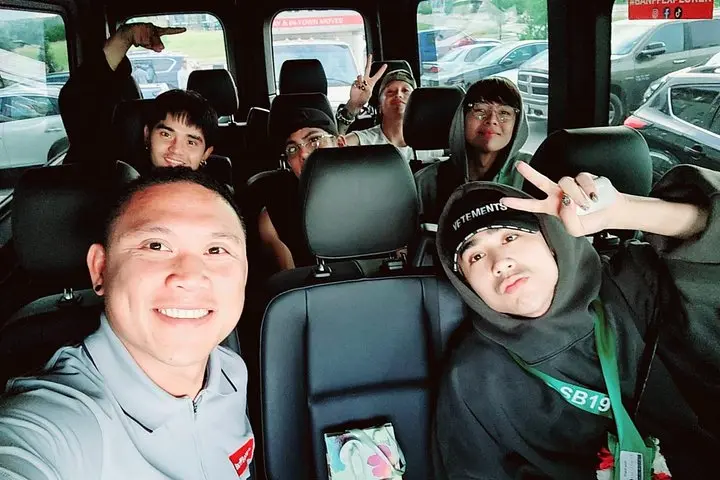
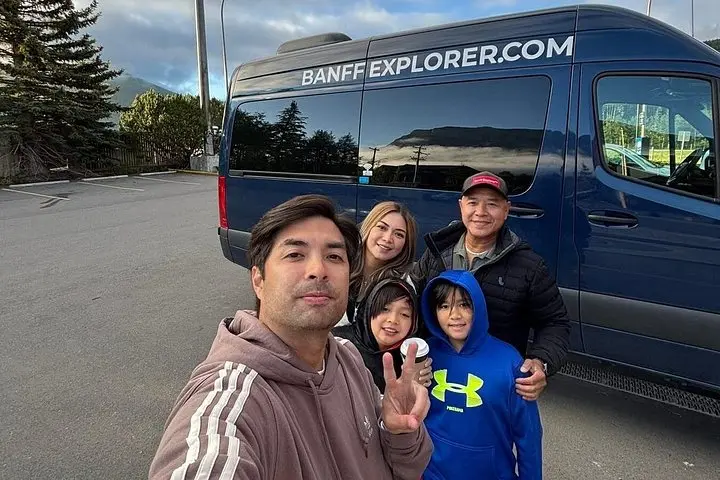
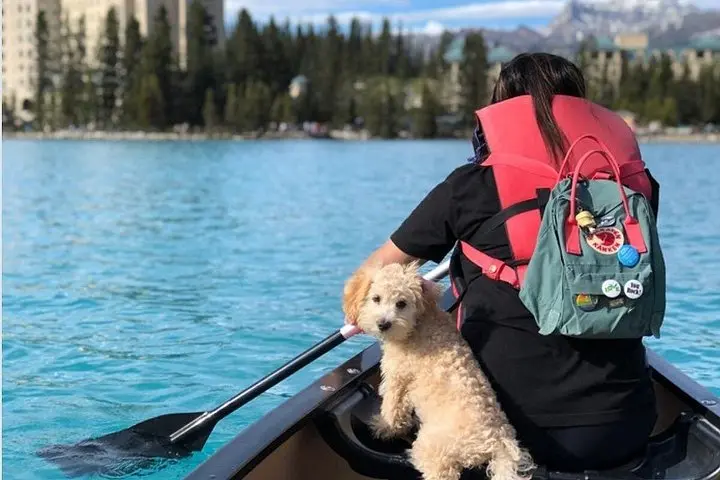
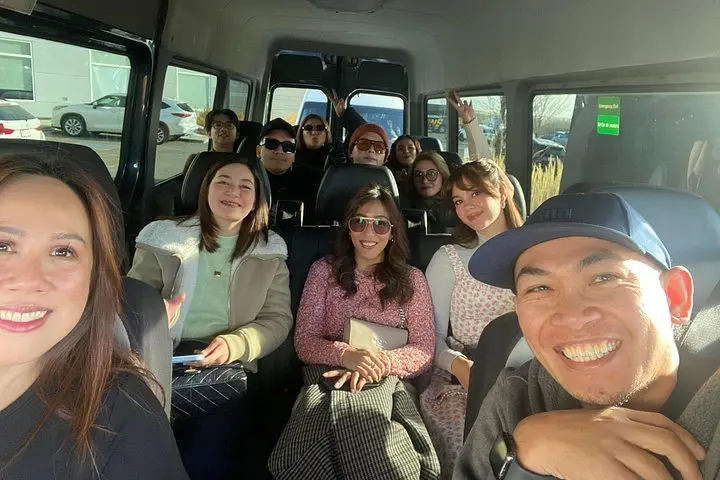
The bus hums through a corridor of spruce and lodgepole pine, and when the forest finally loosens the first teeth of the Canadian Rockies appear—sheer grey faces dusted with snow and the pale blue of meltwater far below. You step off at the Lake Louise Visitor Centre with a moment to stretch before the shuttle drops you at two of the Rockies’ most photographed places: the glacial mirror of Lake Louise and the jewel-toned bowl of Moraine Lake. The driver points out the peaks as if naming old friends; the group disperses into trails, boardwalks and rock piles, each person chasing the right angle of turquoise.
The bus hums through a corridor of spruce and lodgepole pine, and when the forest finally loosens the first teeth of the Canadian Rockies appear—sheer grey faces dusted with snow and the pale blue of meltwater far below. You step off at the Lake Louise Visitor Centre with a moment to stretch before the shuttle drops you at two of the Rockies’ most photographed places: the glacial mirror of Lake Louise and the jewel-toned bowl of Moraine Lake. The driver points out the peaks as if naming old friends; the group disperses into trails, boardwalks and rock piles, each person chasing the right angle of turquoise.
These lakes are products of ice and time. Over the last few million years glaciers carved the valleys, left behind fine rock flour that scatters light and gives the water that impossible color. Lake Louise sits beneath Victoria Glacier and was renamed in the 1880s for Princess Louise; Moraine Lake sits in the Valley of the Ten Peaks and has been the backdrop for generations of photographers and climbers. Indigenous peoples of the region—most notably the Stoney Nakoda—have long-standing ties to these landscapes, which later became part of Banff National Park, Canada’s first national park established in 1885.
The shuttle experience is deliberately practical: one pick-up in downtown Banff at the Mount Royal Hotel bus terminal, a scheduled stop at Lake Louise Visitor Centre, 90 minutes at Lake Louise, then on to Moraine Lake with another 90 minutes to explore the rockpile, short trails and shoreline. For families and travelers who want to avoid the parking crush, this is straightforward: sit, listen to on-board interpretation, and spend the time on-foot where it matters.
Practical notes matter here. Summer crush can swamp both lakes by mid-morning; aim for early departures or late-season visits. The road to Moraine Lake is seasonally closed until late spring; check service dates before you book. Facilities are limited at Moraine—restrooms exist but bring hand sanitizer. Wildlife is present: keep distance, secure food, and carry bear spray if you plan longer hikes. The shuttle is wheelchair-accessible and accommodates strollers and infants (infants must sit on laps but infant seats are available).
Pack layers and waterproof shoes—the weather in the high Rockies can flip from sun to sleet within an hour. Bring a refillable water bottle, a small daypack and a camera or phone stabilizer; the best frames come from the Rockpile at Moraine and the shoreline at Lake Louise. Book a morning slot to catch glassy reflections and thinner crowds, and treat the shuttle as both practical transport and a short scenic orientation to one of North America’s most dramatic alpine settings.