THE ADVENTURE COLLECTIVE® · Independent discovery and booking for outdoor travel

Travel RN7 from Antananarivo to Tulear over 14 days, moving from highland rice fields and UNESCO-recognized woodcarving villages to rainforest lemurs, sandstone canyons and southern beaches. This guided circuit blends cultural immersion, moderate hikes and coastal downtime.
Travel RN7 from Antananarivo to Tulear over 14 days, moving from highland rice fields and UNESCO-recognized woodcarving villages to rainforest lemurs, sandstone canyons and southern beaches. This guided circuit blends cultural immersion, moderate hikes and coastal downtime.
Dust lifts from the rutted RN7 as the convoy threads out of Antananarivo, rice terraces sliding past like pages in a slow book. Morning light picks out carved balconies in Ambositra, then the road bends into the wet green of Ranomafana where the rainforest seems to breathe and call you forward. Over the next two weeks the landscape keeps changing—granite spines of Tsaranoro, the wind-sculpted sandstone of Isalo, then at last the turquoise calm of Ifaty and Anakao.
Verified experiences and guided adventures in the surrounding area.
Operated by Endemika Voyages - Madagascar · Antananarivo, Analamanga
Dust lifts from the rutted RN7 as the convoy threads out of Antananarivo, rice terraces sliding past like pages in a slow book. Morning light picks out carved balconies in Ambositra, then the road bends into the wet green of Ranomafana where the rainforest seems to breathe and call you forward. Over the next two weeks the landscape keeps changing—granite spines of Tsaranoro, the wind-sculpted sandstone of Isalo, then at last the turquoise calm of Ifaty and Anakao.
RN7 is Madagascar’s main southbound artery, a route that links highland culture and coastal life; along it you meet Betsileo villages, Zafimaniry woodcarving, and Bara zebu markets. Geology shapes the trip: volcanic lakes like Tritriva, granite massifs that climb abruptly from the valley floor, and Isalo’s eroded sandstone that holds natural pools. Wildlife is intimate and endemic—ring-tailed lemurs, chameleons and songbirds are common sightings in community reserves and national parks.
Practically, expect a mix of drive days (several 3–8 hour transfers), guided forest walks of 1–4 hours, and optional longer hikes in Isalo and Tsaranoro. Accommodations range from comfortable inns to eco-lodges; a domestic flight from Tulear to Antananarivo is included for return. Roads can be dusty and bumpy—a 4x4 is standard—and services thin in the south, so carry cash, water, and basic meds. Bring layered clothing, sturdy footwear, insect repellent and respect local customs when visiting villages. The Mora Mora pace—‘take it easy’ in Malagasy—means this circuit trades rush for time to notice, learn and move at the island’s rhythm.
Most walks are moderate (1–4 hours) with some steeper sections in Isalo and Tsaranoro; no technical climbing is required but expect uneven terrain.
Travelers should consult a travel clinic for up-to-date advice—vaccinations and malaria prevention are commonly recommended for many regions of Madagascar.
French and Malagasy are widely spoken; guides often speak French and some English—basic French phrases help in villages.
The itinerary is paced and described as accessible for most fitness levels, but long drives and some uneven trails may be challenging for very young children or travelers with mobility limits.
Endemika Voyages - Madagascar operates guided outdoor trips and adventures with an emphasis on safety, stewardship, and memorable experiences.

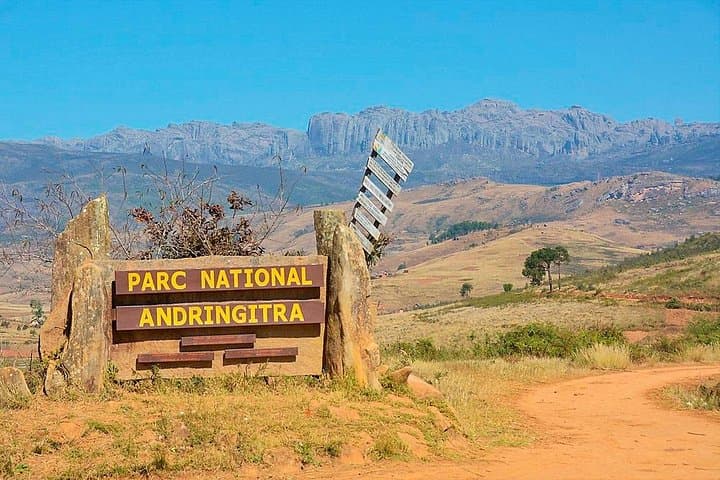
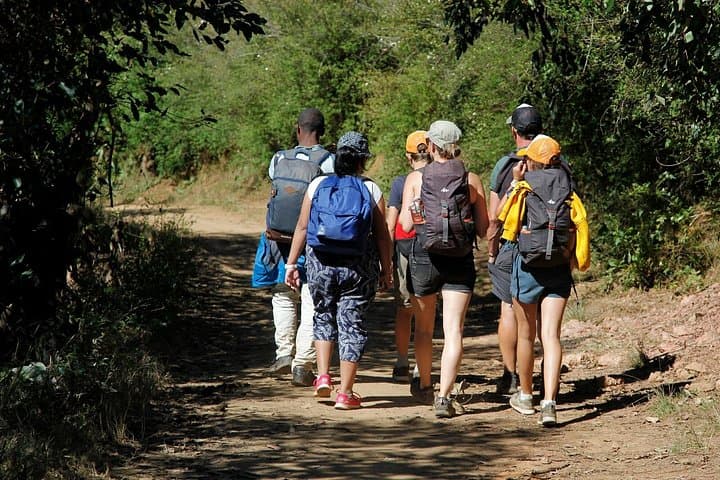
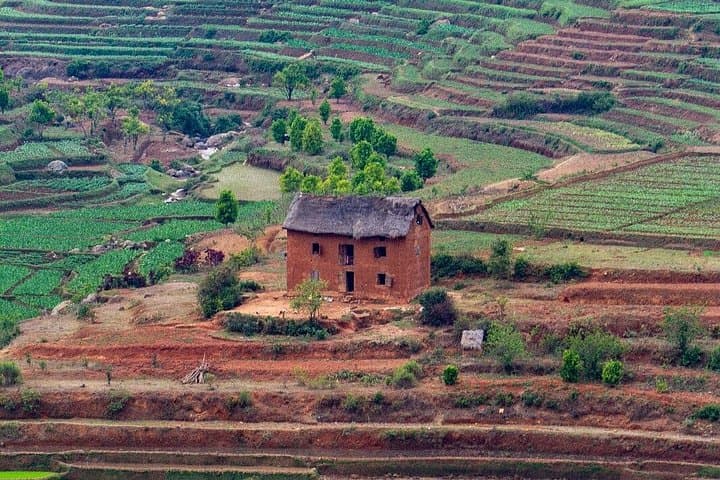
Dust lifts from the rutted RN7 as the convoy threads out of Antananarivo, rice terraces sliding past like pages in a slow book. Morning light picks out carved balconies in Ambositra, then the road bends into the wet green of Ranomafana where the rainforest seems to breathe and call you forward. Over the next two weeks the landscape keeps changing—granite spines of Tsaranoro, the wind-sculpted sandstone of Isalo, then at last the turquoise calm of Ifaty and Anakao.
Dust lifts from the rutted RN7 as the convoy threads out of Antananarivo, rice terraces sliding past like pages in a slow book. Morning light picks out carved balconies in Ambositra, then the road bends into the wet green of Ranomafana where the rainforest seems to breathe and call you forward. Over the next two weeks the landscape keeps changing—granite spines of Tsaranoro, the wind-sculpted sandstone of Isalo, then at last the turquoise calm of Ifaty and Anakao.
RN7 is Madagascar’s main southbound artery, a route that links highland culture and coastal life; along it you meet Betsileo villages, Zafimaniry woodcarving, and Bara zebu markets. Geology shapes the trip: volcanic lakes like Tritriva, granite massifs that climb abruptly from the valley floor, and Isalo’s eroded sandstone that holds natural pools. Wildlife is intimate and endemic—ring-tailed lemurs, chameleons and songbirds are common sightings in community reserves and national parks.
Practically, expect a mix of drive days (several 3–8 hour transfers), guided forest walks of 1–4 hours, and optional longer hikes in Isalo and Tsaranoro. Accommodations range from comfortable inns to eco-lodges; a domestic flight from Tulear to Antananarivo is included for return. Roads can be dusty and bumpy—a 4x4 is standard—and services thin in the south, so carry cash, water, and basic meds. Bring layered clothing, sturdy footwear, insect repellent and respect local customs when visiting villages. The Mora Mora pace—‘take it easy’ in Malagasy—means this circuit trades rush for time to notice, learn and move at the island’s rhythm.