THE ADVENTURE COLLECTIVE® · Independent discovery and booking for outdoor travel

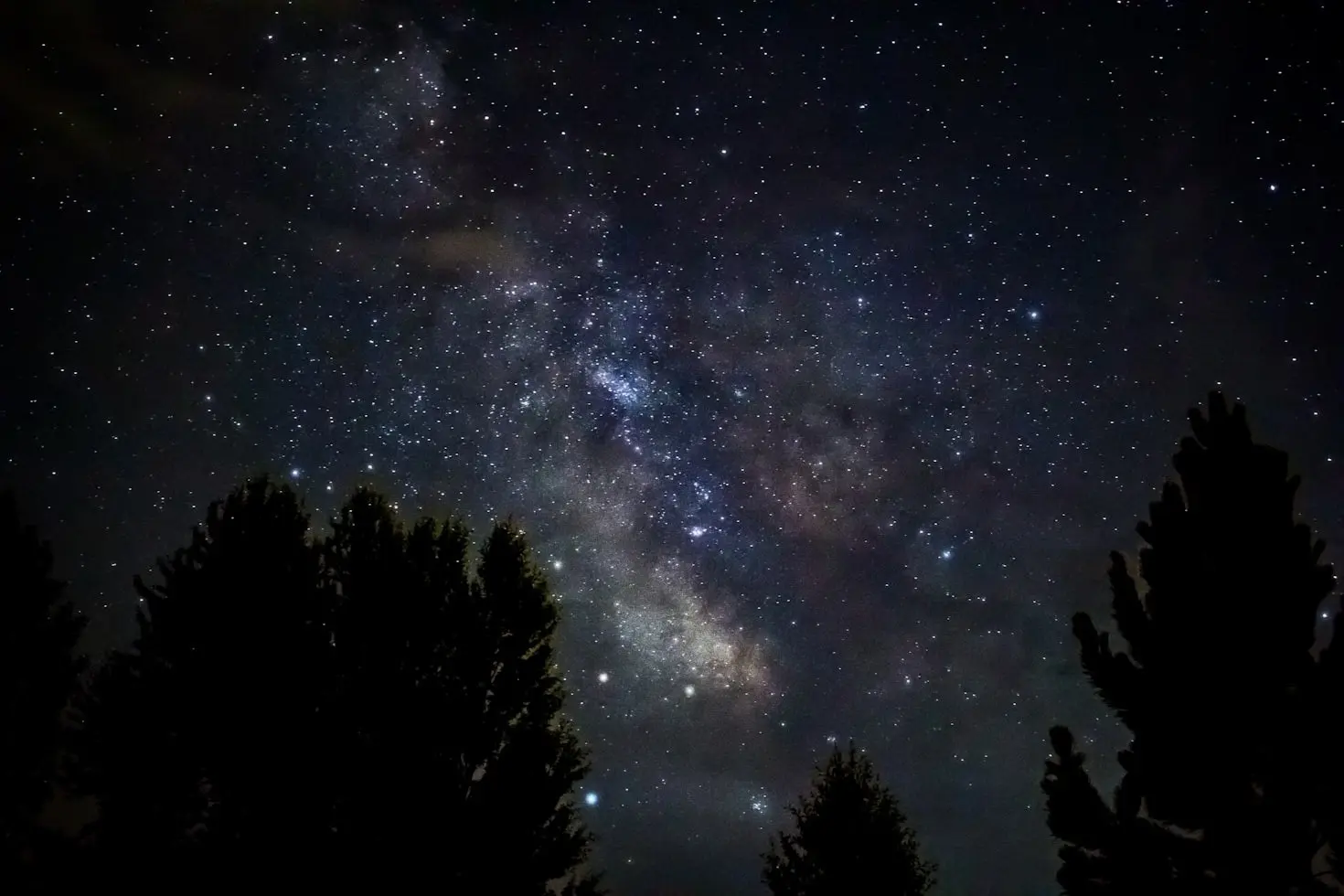
Watch the canyon shift from sunset colors to a jewel-studded night sky at Moran Point. This small-group, two-hour outing pairs a laser-guided constellation tour with telescope time for nebulae, planets, and galaxies.
Watch the canyon shift from sunset colors to a jewel-studded night sky at Moran Point. This small-group, two-hour outing pairs a laser-guided constellation tour with telescope time for nebulae, planets, and galaxies.
Book with Grand Canyon Stargazing
Verified experiences and guided adventures in the surrounding area.
Operated by Grand Canyon Stargazing · Grand Canyon Village, Arizona
At Moran Point on the South Rim of the Grand Canyon, the Moran Point Grand Canyon Stargazing Tour begins above the rim in Grand Canyon Village, AZ. This two-hour evening experience moves from sunset viewing to a guided constellation tour with a green laser and then to telescope sessions aimed at nebulae, star clusters, planets and distant galaxies. Moran Point offers a wide, open vantage across the canyon where the layered cliffs—starting with the pale Kaibab Limestone and dropping through Coconino Sandstone and brighter Vermilion formations—frame the sky, and the rim’s elevation reduces near-ground light for clearer starlight.
The tour is designed for small groups (maximum 12 guests for public tours), making the experience intimate: your guide narrates the sky as it darkens, traces constellations with a laser pointer, and opens a telescope for deep-sky objects when darkness permits. Guests are encouraged to arrive 15 minutes before sunset for check-in and orientation; ADA access is available at certain viewpoints. Because the route stays on the rim overlooks rather than a long trek, this outing suits people who want a powerful night-sky immersion without a strenuous hike.
Why this matters in the Grand Canyon’s outdoor scene: daytime rim tours show geology; night tours reframe it. The canyon’s vast vertical relief and clean air make the stars feel both oversized and startlingly detailed. Compared with busier overlooks, Moran Point’s viewpoint and the structured format of laser-guided identification and telescope viewing turn nebulas and planets into approachable targets for newcomers and keen photographers alike.
Practical notes: dress in warm layers—the temperature drops sharply after sunset—bring a headlamp with a red filter to preserve night vision, and pack binoculars if you have them. Park entrance fees and seasonal road conditions can affect access; check Grand Canyon National Park updates before you go. The booking page for this specific experience is available online via the provided referral link.
Allow extra time to park inside the park: during peak season lot capacity at rim overlooks fills early, and some viewpoints may require a shuttle or walk from the lot. If you plan to photograph the Milky Way, bring a tripod and a wide-angle lens, and set your camera for long exposures; a flashlight with a red filter will protect night vision for both you and others. Follow park rules about after-dark access, keep noise low, and avoid white lights near the telescope.
Historical note: Grand Canyon National Park was established in 1919, and the park’s South Rim has long been a place where both geologic time and cosmic time are on display. Operator contact and exact meeting coordinates were not provided in the listing; please use the booking link for specific check-in location and ADA details.
The experience lasts approximately 2 hours, from sunset through the initial dark-sky viewing and telescope session.
Yes—this listing indicates all ages are welcome, and the format is family-friendly with short walks and rim overlooks.
Some viewpoints are ADA accessible; the listing notes accessibility at certain view points—contact the operator via the booking link for specifics.
Clouds, high winds, or storms can limit visibility; check cancellation policies on the booking page and monitor local weather before your visit.
Yes—Grand Canyon National Park entrance fees apply and should be arranged before arrival or at park entry points.
No—drones are not permitted in Grand Canyon National Park and are prohibited near overlooks and tour activities.
Grand Canyon Stargazing operates stargazing tours near the South Rim in Valle, Arizona, offering guided night-sky experiences designed for visitors of all ages. The company leads three distinct outings: the Moran Point Grand Canyon Stargazing Tour, the Grand Canyon Camper Village Stargazing Tour, and the Bright Angle Pop Up Stargazing Tour. Each tour includes sunset viewing from above the rim followed by laser-guided constellation interpretation and telescope observations of planets, nebulae, and galaxies. Moran Point and Camper Village programs emphasize rim sunset panoramas and multi-telescope viewing; the Bright Angle Pop Up tour provides a focused 90-minute session that uses the Cosmic Clock to reveal constellations, cultural stories, and natural-history context. All tours take place from designated Grand Canyon viewpoints in Valle, Arizona, and use telescopes and laser-guided scopes to help guests locate celestial objects. Grand Canyon Stargazing provides guided narration and telescope access rather than self-guided observation, and the itineraries concentrate on both bright planets and deep-sky objects as darkness falls. The operation is suited to beginners and experienced skywatchers because tours combine telescope viewing, expert-led constellation tours, and accessible storytelling about astronomy and the canyon’s night landscape. Practical information, such as sunset timing, telescope use, and expected viewing highlights, is included on each trip listing to set clear guest expectations. Bookings and practical details are available through the operator's public tour listings and official reservation channels for accurate schedules and pricing.
Book with Grand Canyon Stargazing