THE ADVENTURE COLLECTIVE® · Independent discovery and booking for outdoor travel

Combine off‑road riding and soaring ziplines above the Sacred Valley. This half‑day tour pairs Moray’s Inca terraces with the Maras salt pans for a compact, high‑altitude adventure.
Combine off‑road riding and soaring ziplines above the Sacred Valley. This half‑day tour pairs Moray’s Inca terraces with the Maras salt pans for a compact, high‑altitude adventure.
The engine thrums beneath you as the high valley opens—terraced bowls cut into the earth and a patchwork of white salt pans glinting like a constellation. You climb onto a 250–350cc quad and follow a narrow dirt ribbon past puna grass and low stone walls, the wind pulling at your jacket while the Sacred Valley spreads below.
Verified experiences and guided adventures in the surrounding area.
Operated by Cuatrimotos Cusco · Cusco, Cusco Region
The engine thrums beneath you as the high valley opens—terraced bowls cut into the earth and a patchwork of white salt pans glinting like a constellation. You climb onto a 250–350cc quad and follow a narrow dirt ribbon past puna grass and low stone walls, the wind pulling at your jacket while the Sacred Valley spreads below.
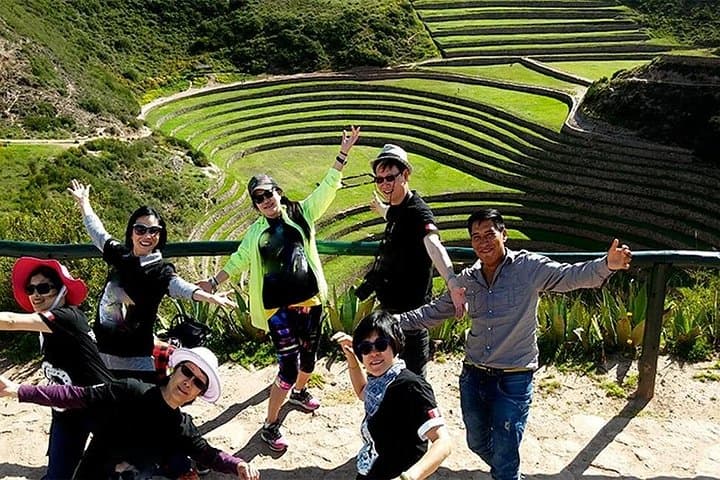
Moray’s concentric terraces were an Inca agricultural laboratory: stepped microclimates where ancient farmers tested crops at different temperatures. Nearby, the Maras salt pans drain a subterranean saline spring; terraces of evaporation vats have been worked by local families for generations and produce a coarse, mineral-rich salt prized regionally.
Geology here is simple and raw—uplifted Andean bedrock, eroded soils, and subterranean saline seepage forming the salt pools. Culture is immediate: small market stalls sell woven textiles and salty snacks; guides are often locals who balance safety instruction with quick historical notes.
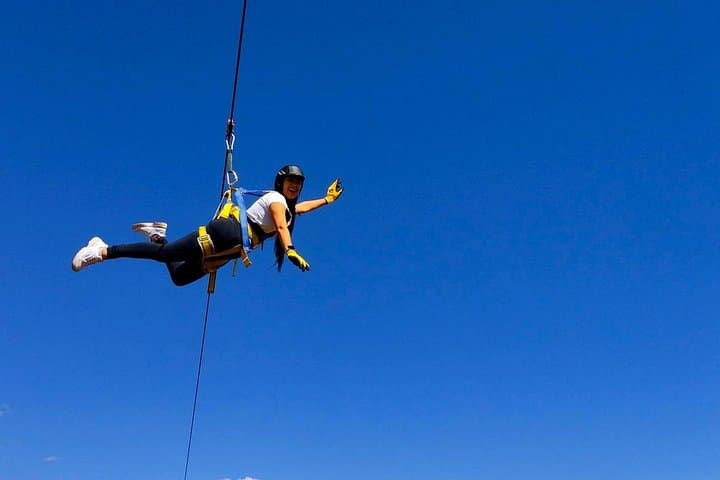
Practically, expect a 6–7 hour outing that combines guided ATV riding and four ziplines (200m, 210m, 950m, 900m). Altitude is significant—Moray sits around 3,500 m (≈11,500 ft)—so move deliberately, hydrate, and pace yourself. Helmets and gloves are provided for ziplines; guides give basic ATV instruction before you roll. Footwear should be sturdy and closed-toe; layers save comfort as temperature swings quickly between sun and shade. Aim for a morning slot to avoid afternoon winds and to catch the salt pans in crisp light. The route balances adrenaline with landscape: expect dusty tracks, short transport segments to preserve the salt pans, and views that reward steady attention rather than speed.
Yes—guides provide basic instruction and run a short practice section; machines listed (250–350cc) are aimed at recreational riders, but you should be comfortable with hand-operated brakes and throttle.
Ziplines welcome younger participants depending on weight and parental consent; ATVs may require riders to be a minimum age—confirm with the operator when booking.
Sites like Moray sit around 3,500 m; mild altitude symptoms (headache, shortness of breath) are common—hydrate, eat lightly, and notify guides if you feel unwell.
No—modern rules restrict ATVs on the Maras salt pans to protect the site; the tour uses transport for the final approach and walking access for viewing.
Cuatrimotos Cusco operates guided outdoor trips and adventures with an emphasis on safety, stewardship, and memorable experiences.
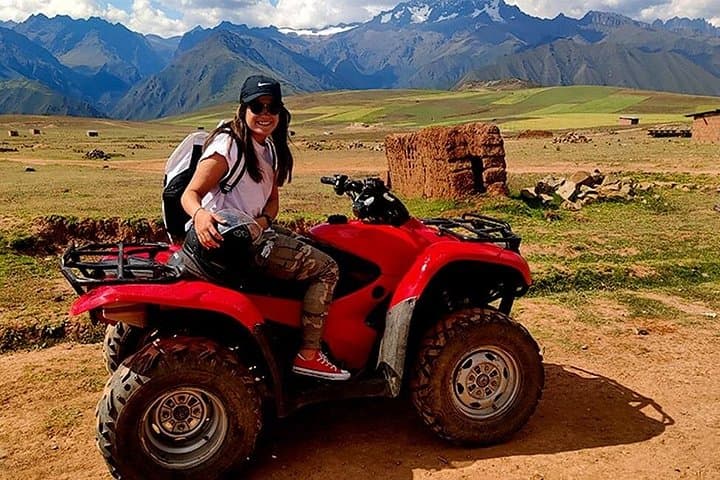
The engine thrums beneath you as the high valley opens—terraced bowls cut into the earth and a patchwork of white salt pans glinting like a constellation. You climb onto a 250–350cc quad and follow a narrow dirt ribbon past puna grass and low stone walls, the wind pulling at your jacket while the Sacred Valley spreads below.
The engine thrums beneath you as the high valley opens—terraced bowls cut into the earth and a patchwork of white salt pans glinting like a constellation. You climb onto a 250–350cc quad and follow a narrow dirt ribbon past puna grass and low stone walls, the wind pulling at your jacket while the Sacred Valley spreads below.
Moray’s concentric terraces were an Inca agricultural laboratory: stepped microclimates where ancient farmers tested crops at different temperatures. Nearby, the Maras salt pans drain a subterranean saline spring; terraces of evaporation vats have been worked by local families for generations and produce a coarse, mineral-rich salt prized regionally.
Geology here is simple and raw—uplifted Andean bedrock, eroded soils, and subterranean saline seepage forming the salt pools. Culture is immediate: small market stalls sell woven textiles and salty snacks; guides are often locals who balance safety instruction with quick historical notes.
Practically, expect a 6–7 hour outing that combines guided ATV riding and four ziplines (200m, 210m, 950m, 900m). Altitude is significant—Moray sits around 3,500 m (≈11,500 ft)—so move deliberately, hydrate, and pace yourself. Helmets and gloves are provided for ziplines; guides give basic ATV instruction before you roll. Footwear should be sturdy and closed-toe; layers save comfort as temperature swings quickly between sun and shade. Aim for a morning slot to avoid afternoon winds and to catch the salt pans in crisp light. The route balances adrenaline with landscape: expect dusty tracks, short transport segments to preserve the salt pans, and views that reward steady attention rather than speed.