
Morne Coubaril Estate Tour: 18th-Century Plantation & Coconut Tasting in St. Lucia
Walk a compact, living plantation at Morne Coubaril where 18th-century estate life is demonstrated through coconut de-husking, cocoa processing and a donkey-powered sugar mill. This 30-minute, accessible tour pairs tactile demonstrations with tastings and local context.
An Adventure In Soufrière.
Walk a compact, living plantation at Morne Coubaril where 18th-century estate life is demonstrated through coconut de-husking, cocoa processing and a donkey-powered sugar mill. This 30-minute, accessible tour pairs tactile demonstrations with tastings and local context.
Read the full experience
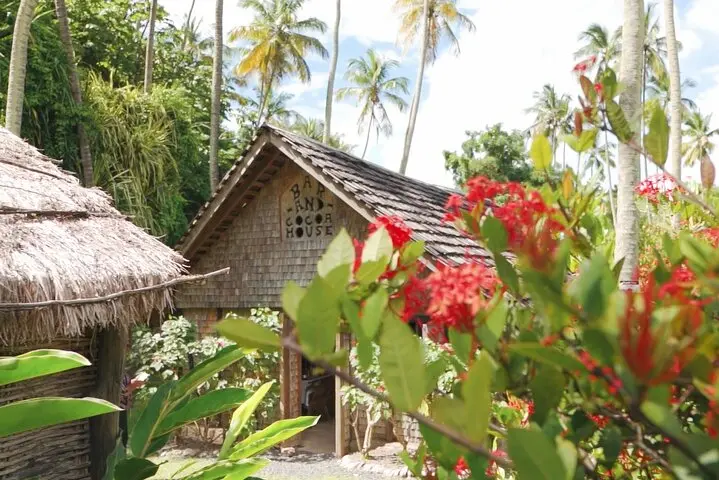
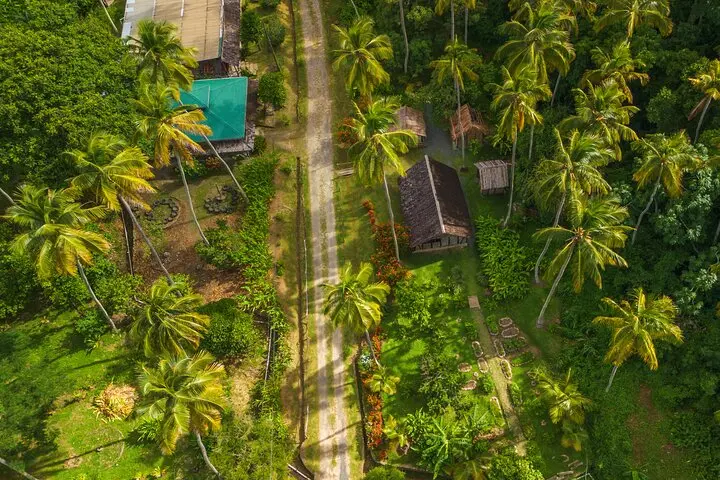
You step through a shaded gate and the air changes—salt, soil and the faint coconut sweetness that has lingered here for centuries. Tall palms lean like quiet sentries over the estate lanes; a narrow dirt track leads past replica stick huts and toward the working areas where hands still process coconut, cocoa and sugar.
You step through a shaded gate and the air changes—salt, soil and the faint coconut sweetness that has lingered here for centuries. Tall palms lean like quiet sentries over the estate lanes; a narrow dirt track leads past replica stick huts and toward the working areas where hands still process coconut, cocoa and sugar.
Morne Coubaril dates back to the 18th century, when plantations shaped Saint Lucia’s landscape and economy. The estate’s demonstrations lay that history out plainly: de-husking and drying coconuts, the polishing and grinding of cocoa beans known locally as the “cocoa dance,” and a small sugar cane mill turned by a donkey—machines and methods that link geology, colonial agriculture and Creole tradition.
Culturally, the tour is as much about technique as taste. Guides explain how mountain soils and a humid maritime climate favor coconut and cocoa, and how local recipes evolved from those raw ingredients. You’ll sample coconut water, fresh cocoa beans and raw sugar from the mill—sensory touchpoints that make the estate’s history tangible.
Practical side: the visit is compact (about 30 minutes), largely flat and wheelchair accessible, but not recommended for those with limited vision due to the hands-on format. Plan for sun and humidity—morning tours are cooler and quieter. Wear closed-toe shoes for uneven ground, bring refillable water, and carry small cash for souvenirs or additional tastings. The experience is short, sensory and rooted in place: a close-up look at how crops, people and simple machines shaped rural life on Saint Lucia.
Frequently asked questions
The scheduled tour runs about 30 minutes and includes live demonstrations and samples.
Yes—the estate notes wheelchair accessibility, though some areas have uneven terrain; assistance may be required for very narrow sections.
Children are welcome but must be accompanied by an adult; some demonstrations involve sharp tools and live animals that require supervision.
Yes—samples typically include coconut water, fresh cocoa beans and a taste of sugar produced on-site.
About This Experience
Morne Coubaril Estate operates guided outdoor trips and adventures with an emphasis on safety, stewardship, and memorable experiences.
Adventure tips
Recommended gear
- Refillable water bottle: Stays hydrated in warm, humid conditions and reduces waste from single-use plastics.
- Closed-toe shoes: Protects feet on uneven plantation paths and near working equipment.
- Sun hat and sunscreen: Provides sun protection during outdoor portions of the tour.
- Small local currency (XCD): Useful for souvenirs or extra tastings not included in the standard tour.
Photos of the experience
Related adventures & guides
Read the full experience
You step through a shaded gate and the air changes—salt, soil and the faint coconut sweetness that has lingered here for centuries. Tall palms lean like quiet sentries over the estate lanes; a narrow dirt track leads past replica stick huts and toward the working areas where hands still process coconut, cocoa and sugar.
You step through a shaded gate and the air changes—salt, soil and the faint coconut sweetness that has lingered here for centuries. Tall palms lean like quiet sentries over the estate lanes; a narrow dirt track leads past replica stick huts and toward the working areas where hands still process coconut, cocoa and sugar.
Morne Coubaril dates back to the 18th century, when plantations shaped Saint Lucia’s landscape and economy. The estate’s demonstrations lay that history out plainly: de-husking and drying coconuts, the polishing and grinding of cocoa beans known locally as the “cocoa dance,” and a small sugar cane mill turned by a donkey—machines and methods that link geology, colonial agriculture and Creole tradition.
Culturally, the tour is as much about technique as taste. Guides explain how mountain soils and a humid maritime climate favor coconut and cocoa, and how local recipes evolved from those raw ingredients. You’ll sample coconut water, fresh cocoa beans and raw sugar from the mill—sensory touchpoints that make the estate’s history tangible.
Practical side: the visit is compact (about 30 minutes), largely flat and wheelchair accessible, but not recommended for those with limited vision due to the hands-on format. Plan for sun and humidity—morning tours are cooler and quieter. Wear closed-toe shoes for uneven ground, bring refillable water, and carry small cash for souvenirs or additional tastings. The experience is short, sensory and rooted in place: a close-up look at how crops, people and simple machines shaped rural life on Saint Lucia.
Make a day of it nearby.
Verified experiences and guided adventures in the surrounding area.